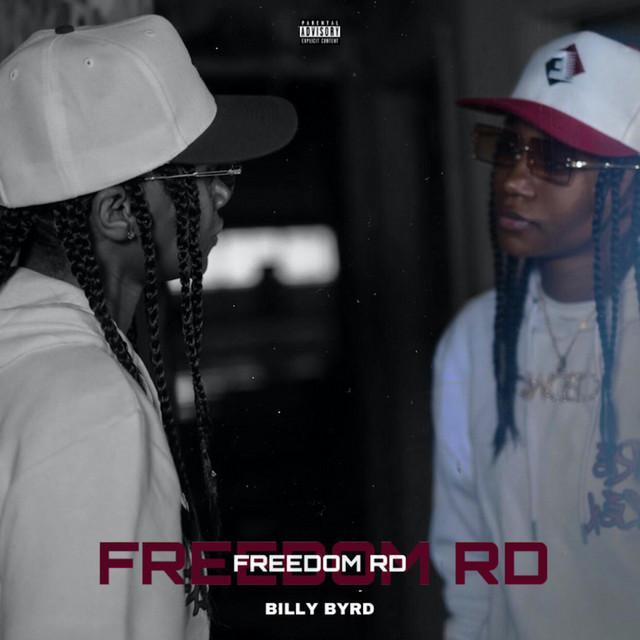
Why ‘Bragging Rights’ Rejects Empty Street Glory
The meaning of Bragging Rights Billy Byrd, Lil Poppa comes down to one sharp idea: in this world, reputation matters, but false reputation matters even more. The song is built around threats, grief, and pride, yet its hook undercuts the usual logic of street boasting. If someone acts and hurts the wrong person, they have no honor in it.
"Bragging Rights" - Billy Byrd, Lil Poppa
- call my shooter Kevin he got heart n he gone ride along
- Get me mad enough no doubt about it ima Slide alone
Loading lyrics...
Unable to load lyrics
We're unable to display the lyrics at this time. Please try again later.
That gives the track a harder message than its title first suggests. Rather than celebrating destruction, Billy Byrd and Lil Poppa frame violence as messy, personal, and often tragic.
The Hook Flips the Song’s Title
The most important line is also the clearest. When they say no bragging rights
, they are not just insulting an enemy. They are drawing a moral boundary inside a violent setting.
The repeated idea is that reckless action is not proof of strength. If someone hit the wrong person
, the song treats that as failure, not victory. That detail changes the whole meaning of the chorus. The title sounds boastful, but the actual point is anti-boast: empty aggression earns nothing.
Billy Byrd’s Voice: Readiness and Reputation
Billy Byrd’s sections are driven by vigilance. He presents a speaker who expects conflict, plans for it, and treats loyalty as survival. Short phrases like slide alone
and by my lone
stress self-reliance. Even when he mentions others, the mood is solitary.
That loneliness matters. The song is not only about toughness; it is about what toughness costs. They describe living in a state where trust is limited, danger is constant, and every missed call or rumor can carry weight.
A world where image can get people hurt
One of the sharpest ideas in Billy Byrd’s writing is his anger toward performative street behavior. He criticizes people who want a gangster image without understanding the consequences. In that sense, the track is also about authenticity. They would rather sound harsh than fake.
Interpretation: Billy Byrd seems less interested in fame than in control. The aggressive bars sound like a way to manage fear before fear manages them.
Lil Poppa Adds the Song’s Grief
Lil Poppa’s verse changes the emotional temperature. He keeps the danger in view, but he adds sorrow and spiritual fatigue. When he says it don’t hurt
only to reverse that idea, they reveal a speaker trying to stay composed while admitting real pain.
This is where the song becomes more than a threat record. Lil Poppa describes the emotional aftermath of violence: dead friends, constant caution, and the pressure to keep moving even while mourning. He suggests that people outside this life only see a surface version of him.
You slid and hit the wrong person
Somebody who ain’t deserve it
Those lines are the song’s clearest ethical statement. They move the focus from revenge to collateral damage. The issue is not just who wins; it is who suffers.
What the Story Seems to Be Saying
Taken together, the verses suggest a simple timeline:
- Conflict already exists.
- Enemies act, but not cleanly or correctly.
- The result brings more fear, more grief, and more pressure to respond.
- The artists refuse to grant respect to reckless violence.
That structure is why the chorus lands so hard. It is not random trash talk. It is a verdict.
Sound and Production: Cold, Tense, Unshowy
The writing credit provided names Janarious Mykel Wheeler, Egor Vikhrovskii, and Billy Byrd. Janarious Mykel Wheeler is Lil Poppa’s legal name, while Billy Byrd is also credited as a writer. Egor Vikhrovskii appears to be part of the song’s composition team based on the provided credits.
Musically, the track fits modern Southern street rap: a dark melodic beat, steady drums, and enough space in the mix for every line to feel direct. There is little warmth in the sonic palette. That matters because the production does not romanticize the lyrics. It creates tension instead.
The beat’s restraint helps the message. A more explosive instrumental might have made the song sound triumphant. This one feels watchful, which matches lyrics about being posted up, staying alert, and carrying emotional damage.
The Kendrick Reference and Rap Lineage
When the song says all my life
after naming Kendrick, it likely nods to Kendrick Lamar’s language of struggle and survival. That reference matters because it places the song inside a larger rap conversation about fighting, trauma, and identity.
It also shows that even in a very local, street-centered song, the artists are speaking to rap history. They are not just reacting in the moment. They are framing their lives through a tradition where hardship becomes testimony.
So What Is ‘Bragging Rights’ Really About?
At its core, the meaning of Bragging Rights Billy Byrd, Lil Poppa is about the difference between power and emptiness. The song knows that street culture often rewards image, retaliation, and fearlessness. But it pushes back against one part of that code: harming the wrong person is not something to praise.
Interpretation: Billy Byrd sounds focused on survival through force, while Lil Poppa sounds focused on survival through emotional endurance. Together, they turn the track into a critique of careless violence from inside the mindset that violence creates.
That tension is what makes the song stick. It is hard, but it is not blind. It is threatening, but it is also grieving.
Final Take
“Bragging Rights” works because its title promises swagger, then the lyrics strip swagger away. Billy Byrd and Lil Poppa present a world where retaliation is common, but respect still has rules. Once innocent people are caught in the middle, the song says the act loses all glory.
That is the deepest reading of the track: not every act of violence deserves fear, status, or a legend afterward.
Disclaimer: This interpretation is based on the lyrics provided and publicly available credit information. As with any song, meaning can vary by listener and may include intentions the artists have not formally explained.







