Why Billy Joel Said It’s Still Rock and Roll
Billy Joel’s 1980 hit sounds playful on the surface, but its message is sharper than its bright hook suggests. The meaning of It's Still Rock and Roll to Me Billy Joel centers on a simple complaint: pop culture keeps renaming the same attitudes, styles, and sales tricks, then acting as if each new wave is a revolution.
"It's Still Rock and Roll to Me" - Billy Joel
Can't you tell that your tie's too wide?
Maybe I should buy some old tab collars
Loading lyrics...
Unable to load lyrics
We're unable to display the lyrics at this time. Please try again later.
The song mocks fashion rules, music journalism, and the pressure to look current. At the same time, it defends a basic idea of rock and roll as attitude, energy, and rebellion rather than a fixed look. That is why the chorus lands so hard. Joel is not rejecting change itself. He is rejecting hype.
A Pop Song Built on Eye-Rolling Skepticism
The verses move through clothes, cars, speakers, and social scenes. In each case, the singer hears advice about how to fit in, then pushes back. When he asks what is wrong with his style and hears that his tie is too wide, the point is not really about neckwear. It is about how quickly taste turns into social control.
That same sarcasm runs through phrases like new sound
and age of jive
. Joel presents trend language as silly and cyclical. One moment something is outdated; the next, it is revived and sold back as cool. The joke is that these changes are often cosmetic.
Interpretation: the song argues that culture industries profit by making people feel behind. If listeners can be convinced they are unfashionable, they can also be sold a fix.
What the Chorus Actually Means
The chorus is one of Joel’s most quoted hooks because it turns frustration into a clean slogan: still rock and roll to me
. In context, that line does not mean every genre sounds identical. It means many so-called new movements still rely on the same old show-business formulas.
He even stacks labels together in quick bursts, including next phase, new wave
. That rush of names sounds almost comic. Joel reduces trend branding to a pile of buzzwords, then shrugs them off.
Not Anti-Music, But Anti-Posturing
This matters because the song is not an attack on younger scenes or experimentation. It is more accurate to hear it as an attack on posturing around those scenes. Joel seems less annoyed by punk or new wave than by the idea that a magazine can certify what matters.
That point comes through most clearly in the bridge:
it doesn't matter what they say
same old scene
Even in this brief moment, the focus is not sound alone. It is the machinery around sound: papers, magazines, trend pieces, and the need to market rebellion to teenagers.
Fashion, Class, and the Cost of Looking Cool
One of the song’s smartest moves is linking taste to money. Joel jokes that a person cannot even dress badly in the approved way unless they spend enough cash first. That flips the idea of counterculture on its head. Looking rebellious has become a luxury product.
He keeps returning to objects that signal status: clothes, cars, shoes, speakers. None of them are neutral. They show how identity gets built through purchases. In the song, advice about style is really advice about consumption.
Interpretation: this is why the track still feels modern. It predicts an influencer world where authenticity is constantly packaged, priced, and sold.
How the Sound Reinforces the Message
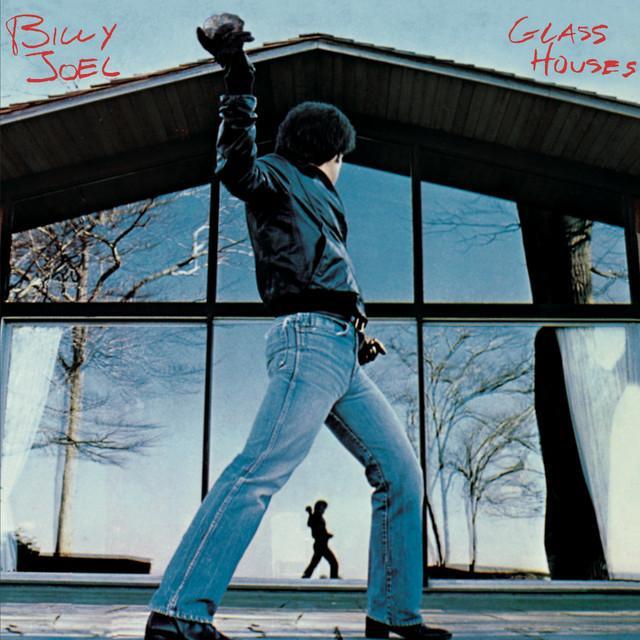
Musically, the track helps its argument by sounding direct and unfussy. Released on Glass Houses in 1980, the song arrived during a period when Joel was answering critics who saw him as too polished for changing rock culture. According to the Rock & Roll Hall of Fame, Joel built a career by blending pop craft with rock traditions, and this song turns that tension into subject matter.
The production, handled by Phil Ramone on the Glass Houses sessions, is tight and punchy rather than grand. The beat has a bounce that feels almost teasing. The guitars and keyboards keep things moving, while Joel’s vocal sounds amused, irritated, and fully in control.
That balance matters. If the song were bitter, it might feel preachy. Instead, it dances while it complains. That lets the satire travel further.
Why the Song Connected So Widely
Part of the appeal is that nearly everyone knows the feeling behind it. Trends change fast, and people are often told they are behind, uncool, or out of touch. Joel turns that anxiety into humor. Instead of begging for approval, the singer laughs at the rules.
The song also works because its target is broad. It is about music scenes, but also about adulthood, status, and confidence. They do not need to be a rock critic to recognize the pressure to upgrade everything all the time.
A Lasting Meaning Beyond 1980
Today, the meaning of It's Still Rock and Roll to Me Billy Joel feels bigger than a debate about punk versus classic rock. It is a song about resisting manufactured urgency. New labels appear, old styles return, and media voices keep announcing the future. Joel’s answer is to ask what has really changed underneath the packaging.
His conclusion is blunt but freeing: cool is unstable, hype is repetitive, and substance matters more than branding. That is why the song still sounds current decades later.
Disclaimer: This interpretation is based on the lyrics, recorded performance, and documented career context. Like most songs, it can support more than one reasonable reading.








