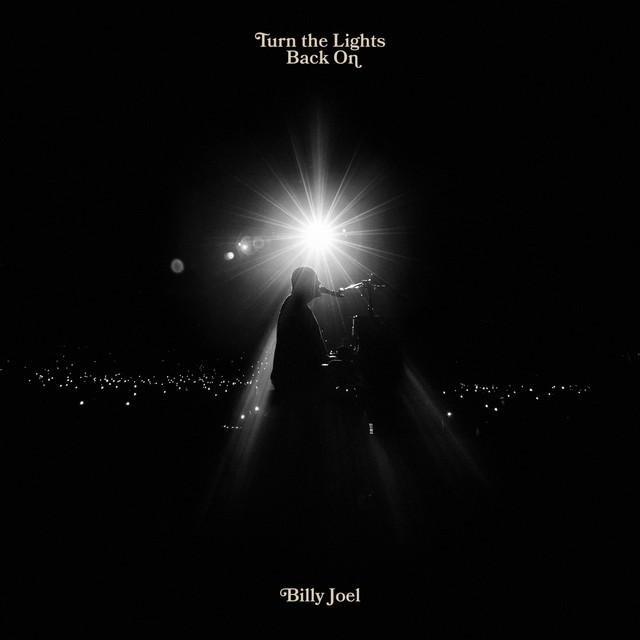
Billy Joel’s Late Apology in the Dark
The meaning of Turn the Lights Back On Billy Joel starts with a simple but painful idea: someone realizes too late that they let love fade into silence, and now they are asking for one more chance. The song is framed as a direct apology, but it also feels larger than one relationship. It is about absence, emotional neglect, and the hard work of coming back.
"Turn the Lights Back On" - Billy Joel
Nothing is different, we've been here before
Pacing these halls
Loading lyrics...
Unable to load lyrics
We're unable to display the lyrics at this time. Please try again later.
Released on February 1, 2024, the single was Billy Joel’s first new pop song in many years, which gave it extra weight for listeners and critics. According to Wikipedia, it was written by Billy Joel, Freddy Wexler, Arthur Bacon, and Wayne Hector, and produced by Wexler with Parisi and Emile Haynie. That long gap matters because the song’s theme of return mirrors Joel’s own re-entry into songwriting.
A Love Song About Showing Up Too Late
At the most direct level, the narrator is speaking to a partner after a period of distance. They know the relationship has grown cold. The opening images describe a home filled with tension, where people are physically close but emotionally far apart.
When the singer says please open the door
, the request is emotional as much as literal. They want access again: to conversation, trust, and maybe forgiveness. The song quickly admits fault, and that honesty drives the whole track.
This is why the repeated confession I'm late, but I'm here right now
matters so much. It is not a proud comeback line. It is an admission that love was neglected, attention was delayed, and presence arrived after damage had already been done.
How the Verses Build the Story
The verses move like scenes inside a strained relationship:
- The speaker enters a quiet, damaged space.
- They see how pride and silence helped freeze the couple in place.
- They admit they were wrong.
- They ask whether repair is still possible.
One of the song’s strongest images is the idea of a couple being stuck in a frame
. Paraphrased, they have become a picture of what they used to be instead of a living relationship that can still change. That image connects memory, regret, and emotional paralysis in one line.
Later, the song describes a house that no longer feels like home. The phrase long winter of indifference
suggests that the real danger was not explosive conflict but emotional numbness. This is a key part of the song’s meaning: relationships do not only break through betrayal or dramatic fights. They can also weaken through neglect, routine, and silence.
Why the Chorus Hits So Hard
The chorus turns the song’s title into its central symbol. Darkness stands for emotional distance, confusion, and the loss of intimacy. To “turn the lights back on” means trying to restore honesty, warmth, and recognition.
Maybe I was blind
But I see you now
Those lines capture the emotional pivot. The narrator is not saying love vanished forever. They are saying they failed to notice what was right in front of them until the relationship was close to breaking.
Interpretation: this is why the song feels moving even though its language is simple. It treats love not as a grand fantasy, but as attention. To love someone well, they must keep seeing them clearly. Once that vision fades, the room goes dark.
A Return Song Beyond Romance
Many listeners heard more than a relationship ballad here. In a brief comment reported by Rolling Stone, critic Andy Greene said the song also works as a message to fans who waited years for new material. That reading makes sense.
Joel had said songwriting had become painful, and he largely stepped away from pop recording after the 1990s. In comments summarized by Wikipedia, Joel said he could have written these words “verbatim,” which suggests the lyric felt personally true to him.
Interpretation: the song can be heard on two levels at once:
- a partner apologizing to a loved one
- an artist returning to the audience after a long silence
That dual meaning helps explain why the single connected so quickly. It debuted on the Billboard Hot 100 and reached the top 10 on Adult Contemporary radio, showing that the comeback itself became part of the emotional story.
How the Music Supports the Lyrics
The production is polished but restrained. Piano leads the arrangement, which immediately places the song in Joel’s classic emotional territory. The tempo stays measured, allowing the voice to carry regret rather than rush past it.
The drums and strings build gradually, giving the chorus lift without making it sound triumphant. That choice is important. The song is hopeful, but it is not resolved. Even at its biggest moments, it still sounds unsure, as if the answer to the title question is not yet known.
Joel’s vocal delivery also adds meaning. They sing with an older voice that sounds worn, steady, and believable. On a song about lateness, age becomes part of the texture. The performance does not hide time passing; it uses that passage of time as emotional proof.
The Heart of the Song
In the end, the meaning of Turn the Lights Back On Billy Joel is about seeing clearly after a period of blindness and asking whether love can survive delayed understanding. It is an apology song, a comeback song, and a song about what happens when pride gives way to humility.
Its emotional power comes from one hard question: is being present now enough when someone needed that presence much earlier? The song never fully answers that. Instead, it sits inside the uncertainty, which makes it feel honest.
That honesty is why the track resonated with so many listeners. It offers hope, but only after admitting failure. Interpretation: the “lights” are not just romance returning. They are awareness, responsibility, and the courage to try again before the room goes completely dark.
Disclaimer: This interpretation is based on the lyrics, recorded performance, and documented release context. As with any song, listeners may hear meanings that differ from the artist’s intent.








