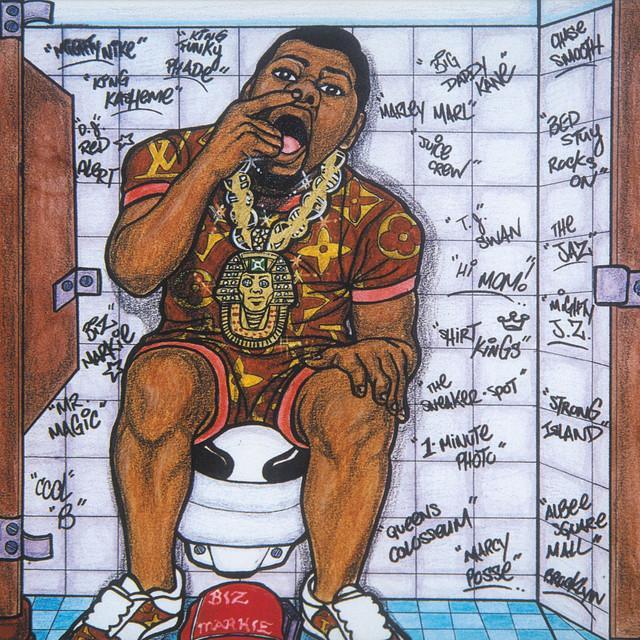
Why Biz Markie’s “Vapors” Still Hits
The phrase at the center of the song
The meaning of Vapors Biz Markie is surprisingly direct: the song is about people who ignore someone when they are struggling, then suddenly want closeness once success arrives. Released in April 1988 as a single from Goin’ Off and produced by Marley Marl, the track became one of Biz Markie’s most memorable story songs. It was the fifth single from the album and reached No. 80 on Billboard’s Hot R&B/Hip-Hop Songs chart, according to Billboard and Wikipedia’s summary of the release.
"Vapors" - Biz Markie
That was the meanin of V-A-P-O-R-S
The meanin' of this word without no doubt
Loading lyrics...
Unable to load lyrics
We're unable to display the lyrics at this time. Please try again later.
Biz even explains the key term in plain language. Before the chorus takes over, they define “vapors” as the switch in other people’s behavior when money, fame, or status shows up. In other words, the song turns a slang phrase into a social lesson.

Watch the official Vapors
music video
A funny record with a sharp point
What makes “Vapors” work is that it sounds playful while delivering a hard truth. Biz Markie does not preach. Instead, they tell short stories about people in their circle who were dismissed, judged, or overlooked.
Then, after each person becomes successful, the same doubters come back around. That pattern gives the song its sting. The repeated hook, caught the vapors
, is not about romance or admiration in a healthy sense. It is about status-chasing.
Interpretation: The song suggests that envy and sudden affection are almost the same thing in public life. Once someone looks valuable, old critics try to rewrite history.
Four mini-stories, one big message
TJ Swan and conditional attraction
The first example centers on TJ Swan, who had sung on Biz records before. In the song’s story, a woman dismisses him when he has a regular job, but changes her tune after his image and success improve.
Biz sums up her old attitude with the cutting phrase you work for UPS
. That line matters because it shows class judgment. The problem is not TJ’s character. The problem is that she does not see glamour in him yet.
Later, when he has style, attention, and music-world shine, she wants access. Biz paints that turn as shallow, not flattering.
Big Daddy Kane and delayed respect
The second story is about Big Daddy Kane, credited as one of the song’s co-writers. Biz describes Kane as a kid people assumed would fail. Neighbors and adults read his style and behavior as proof he would become nothing.
Once Kane becomes a star, those same people want favors. The quiet cruelty of that change is the point. They did not discover his worth; they discovered his fame.
This verse broadens the song from dating and popularity into something deeper: social judgment. “Vapors” is also about how communities can label young people too early, then act proud of them later.
Cool V and the gatekeepers
The third story shifts to Biz’s cousin, Cutmaster Cool V. He wants work at a record shop and gets brushed off. Biz captures the rejection with no help wanted
and then shows the irony later, when the same shop suddenly welcomes him after he is established.
This verse targets gatekeepers. The song is not only mad at fake friends; it is also skeptical of institutions that ignore talent until talent becomes profitable.
When the song turns back on Biz
The most personal verse
The final verse is the strongest because Biz applies the same idea to himself. He remembers wanting acceptance from local crews and being denied. The insult wet food stamp
shows how small and humiliating those moments felt.
Later, after his profile rises, old faces come back with claims of shared history. Biz answers with disbelief rather than revenge. That choice is important. The song is not a threat track. It is a track about memory.
Do you remember me
back in the days
This brief moment captures the entire emotional engine of the song. People do not just return; they return pretending they were always there.
How the chorus reframes everything
The chorus is simple, but it does a lot of work. Every verse ends with the same idea: somebody who once looked down on a person now wants in. Because the phrase repeats so often, it starts to sound like a diagnosis.
Interpretation: Biz treats “the vapors” almost like a social illness. It spreads whenever attention, money, or celebrity enters the room. That is why the title feels so clever. Vapors are invisible, floating, and hard to hold, much like fake loyalty.
Why the production helps the meaning land
Marley Marl’s production gives the song room to breathe. The beat is steady, uncluttered, and built for narrative clarity rather than overload. That matters because “Vapors” depends on setup and payoff. Every verse needs listeners to catch the before-and-after contrast.
Biz’s vocal style helps too. They sound conversational, almost like a friend telling stories on a block corner. That easy delivery makes the message feel lived-in instead of overly dramatic.
Factual context also strengthens the song’s legacy. The track was produced by Marley Marl and appears on Biz Markie’s debut album Goin’ Off, according to AllMusic and the song’s release history. The video, directed by Lionel C. Martin, follows the same idea of people ignoring Biz before success, as noted in archived VH1 information cited here.
Why “Vapors” still feels current
The meaning of Vapors Biz Markie still connects because the behavior in the song never went away. Social media may have changed the stage, but not the pattern. People still overlook others during the grind and celebrate them only after proof arrives.
That is why the song lasts. It is funny, specific, and catchy, but also painfully recognizable. Biz Markie turns rejection into comedy without hiding the bruise underneath.
In the end, “Vapors” is about late respect, fake support, and the way success exposes who was genuine from the start.
Disclaimer: This interpretation is based on the lyrics, credited release context, and the song’s cultural framing. As with any art, listeners may hear additional meanings.







