Why ‘Don’t Stop the Party’ Hits So Hard
The meaning of Don’t Stop The Party Black Eyed Peas is bigger than a simple night-out song. On the surface, they celebrate dancing, loud music, and a crowd that never wants the lights to come up. But under that surface, the song is also about momentum. They turn partying into a symbol for ambition, stamina, and public power.
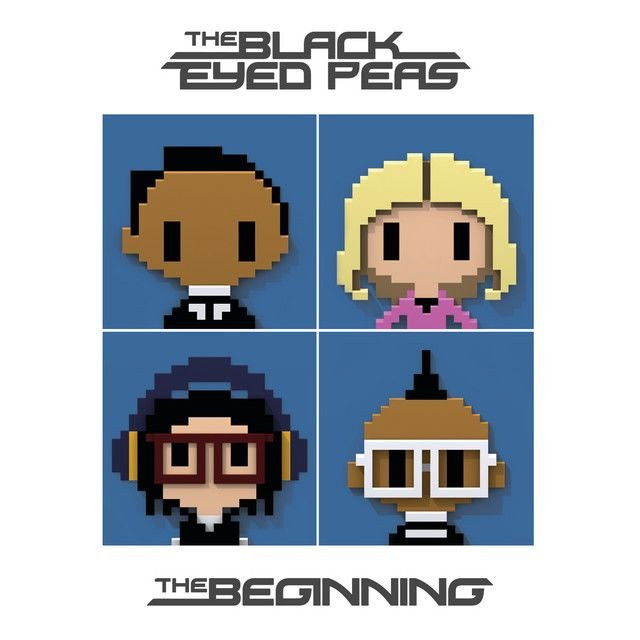
Released from The Beginning in the group’s blockbuster electro-pop era, the track arrived in 2011 as a single after the album’s 2010 release. It was written by will.i.am, apl.de.ap, Taboo, Fergie, Joshua Alvarez, and Damien LeRoy, and produced by will.i.am and DJ Ammo. Those facts matter because the song sounds engineered for scale: festivals, arenas, and big communal release.
The Real Message Behind the Noise
At its core, the song treats the party as a state of mind. The repeated hook, don’t stop the party
, is not subtle, but that is the point. They are not chasing emotional complexity here. They are building a chant that can carry one clear idea: keep going.
That idea appears in the verses too. When they insist I ain’t gonna quit
and you can’t stop us now
, the song shifts from nightlife talk to a statement of drive. In plain terms, they connect dancing with winning. The crowd energy becomes proof of success.
Interpretation: the “party” can be heard two ways at once:
- A literal club party with music, bottles, and dancing.
- A metaphor for career dominance and creative momentum.
That second reading fits the Black Eyed Peas brand at the time. They were making huge crossover pop designed to feel global, bright, and relentless.

Watch the official Don’t Stop The Party
music video
How the Verses Build a Persona
The first verse is pure chest-thumping. They describe themselves as unique, futuristic, and untouchable. Even when the lyrics get playful or exaggerated, the effect is clear: they want to sound larger than life.
A short phrase like future aboriginal
shows that mix of futurism and self-myth. The wording is odd, but it helps create a persona that is both ancient and ahead of its time. The message is not about careful storytelling. It is about self-invention.
Later, the song moves into scenes of the club: dancing, drinks, DJs, and afterparties. Those details ground the song in real nightlife, but they also support the larger theme. They present the party as a place where identity gets amplified. In that room, they are not ordinary people; they are the ones who “light it up.”
The Chorus as a Mission Statement
The chorus is simple enough to sound almost mechanical, and that is why it works. Repetition becomes meaning. By hammering the same command again and again, they turn the hook into a kind of group ritual.
Don’t, don’t, don’t, don’t
stop, stop, stop
the, the, the, don’t stop the party.
This is less about poetry than physical response. The chopped-up words mimic a DJ cut, a crowd chant, and a beat drop all at once. They make language percussive.
Interpretation: this hook says the event must continue, but it also suggests that fame itself needs constant fuel. The machine cannot pause. In that sense, the song captures pop stardom as nonstop motion.
Why the Production Matters So Much
If the lyrics supply attitude, the production supplies the real meaning. The track blends EDM, hip house, and Dutch house elements with pounding drums, whooshing synths, and heavy bass. According to Songfacts, will.i.am described playing the track for Jay-Z and then going “dirty Caribbean” on the last verse, which explains the patois-flavored vocal style.
That style matters because it makes the song feel borderless. The Black Eyed Peas often aimed for a global pop sound, and this record pushes that idea hard. The synths rush forward. The bass feels physical. The vocals are mixed to command attention rather than reveal vulnerability.
Critics noticed this emphasis on sound over lyrical finesse. Billboard’s Monica Herrera argued that the production was stronger than the wordplay. That is a fair point, but it also helps explain the song’s purpose. They were not trying to write a diary entry. They were trying to create a mass-energy record.
Artist Context and Public Reception
This song came from the same period that gave the group giant hits built for radio and live shows. On The Beginning, they leaned deeper into electronic textures and arena-sized hooks. “Don’t Stop the Party” fits that shift perfectly.
Its chart run supports the idea that the song connected most strongly as a club and international anthem. It reached the top 20 in several countries and landed on U.S. pop radio, even if it was not their biggest Hot 100 hit. The music video, directed by Ben Mor, used tour footage from Brazil and images of Brazilian city life, which reinforces the track’s live, communal identity.
That visual context matters. Instead of telling a personal story, the video shows scale, motion, and crowd connection. They present the party as something bigger than one room. It becomes a traveling public event.
A Final Reading of the Song’s Meaning
So what is the meaning of Don’t Stop The Party Black Eyed Peas? Most plainly, it is an anthem for staying energized and keeping the night alive. But it also turns that nightlife idea into a statement about winning, visibility, and refusing to lose momentum.
Their world in this song is loud, exaggerated, and intentionally repetitive. That is not a weakness by accident; it is the design. Every chant, synth blast, and boast pushes the same message: motion equals power.
For listeners, that is why the song still works. They do not need a deep plot. They need a track that feels unstoppable. This one does.
Disclaimer: This interpretation mixes documented facts about the song with critical reading of its lyrics, sound, and context. Meanings can vary from listener to listener.








