Why 'Pariah' Rejects the Savior Role
The meaning of Pariah Black Sabbath centers on a blunt refusal: the speaker will not be anyone’s saint, idol, or excuse. Instead, they accept being cast as the outsider if that is what it takes to tell the truth. That gives the song its bite.
"Pariah" - Black Sabbath
Addicted to sobriety
A product of a virgin birth
Loading lyrics...
Unable to load lyrics
We're unable to display the lyrics at this time. Please try again later.
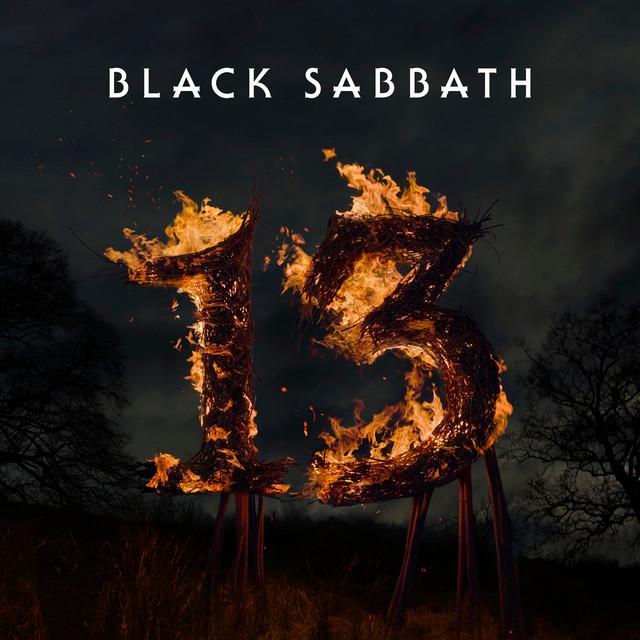
Factually, "Pariah" is widely listed as a bonus track from Black Sabbath’s 2013 album 13, the band’s nineteenth studio album, as noted by the Black Sabbath Wiki and general album references such as Wikipedia’s page on 13. The writing credits provided here—Terrence Butler, Tony Iommi, and John Osbourne—also fit the classic Sabbath core of Geezer Butler, Tony Iommi, and Ozzy Osbourne.
The Song’s Core Idea Is Rejection
At its heart, the song is about being turned into a symbol by other people. The narrator sees a crowd that wants easy answers, larger-than-life figures, and someone to follow. They push back hard.
Early lines frame that conflict through images of holiness and exclusion. Phrases like pariah from society
and another god on earth
place the speaker between two false roles: hated outcast or worshipped icon. The point is not that they are either one. The point is that others keep forcing those labels onto them.
Interpretation: This makes the song less about simple rebellion and more about projection. People want the speaker to be extreme—angel, devil, genius, prophet—because extremes are easier to believe in than ordinary human limits.
Watch the official Pariah
music video
The Narrator Refuses Blind Followers
The verses keep challenging people who think they understand the speaker completely. When the song warns listeners to be careful what they might find, it suggests that true self-knowledge is darker, stranger, and less comforting than fandom usually allows.
That is why one of the song’s sharpest ideas comes in a command to think independently. The lyric insists listeners should make their own truth or mind instead of repeating whatever a charismatic figure says. In plain terms, the speaker is saying: do not worship them, and do not surrender responsibility.
This is where the meaning of Pariah Black Sabbath becomes especially clear. The song is not asking for sympathy. It is demanding distance. The speaker would rather be rejected than be treated like a spiritual shortcut.
Why the Chorus Hits So Hard
The chorus boils the whole message down to a brutal contrast: ain't no messiah
, only just your pariah
. That switch matters because it shows how quickly society can turn admiration into exile, or exile into myth.
People desire a figure to believe in, but the song says that desire creates its own trap. Once the crowd invents a hero, it also invents a villain when reality disappoints. The speaker refuses both jobs.
I'm not your savior
I got no wings to fly
That short moment is the emotional center of the song. It strips away fantasy and leaves a very human statement: stop asking one person to carry everyone else’s fear, hope, or blame.
Religious Images Turn Into Social Critique
Black Sabbath often worked with spiritual and apocalyptic imagery, and this song uses that tradition in a stripped-down way. It mentions ideas like virgin birth, Heaven, Antichrist, and graven images, but not to preach doctrine.
Instead, those references expose how people build false belief systems around public figures. Calling the speaker a pseudo icon
suggests they have been manufactured in the minds of others. The image of worship is really a critique of celebrity culture, mass belief, and the hunger for certainty.
Interpretation: American listeners may hear this as a warning about fame, influence, and public polarization. A person can be treated as either untouchable or sacred, with very little room in between.
Sound and Delivery Make the Message Heavier
Even without quoting much of the lyric, the tone is easy to hear. The song’s language is clipped, confrontational, and repetitive in a purposeful way. That structure gives the chorus a chant-like force, which mirrors the crowd mentality the song criticizes.
Musically, Black Sabbath’s late-era sound on 13 leaned into thick riffs, slow-to-midtempo weight, and a dark, sermon-like atmosphere, as discussed in coverage of the album’s release and reception at sources like Rolling Stone and AllMusic. In that setting, “Pariah” works because the guitar and vocal delivery feel accusatory rather than inviting.
Ozzy Osbourne’s voice also matters. He sounds less like a preacher than a survivor warning people away from fantasy. That difference is crucial. The song does not offer comfort. It offers a boundary.
A Few Strong Readings of the Song
There are at least three useful ways to read it:
- Celebrity critique: The song attacks hero worship and the urge to turn flawed people into saviors.
- Outsider anthem: It speaks for someone pushed outside society who would rather stay truthful than fit in.
- Anti-cult warning: It rejects manipulation and tells listeners not to hand over their judgment.
These readings work together more than they compete. The lyric keeps returning to the same basic tension: public desire creates myths, and myths can destroy both the believer and the person being worshipped.
Final Take on the Meaning
So, what is the meaning of Pariah Black Sabbath? It is a fierce statement against false elevation. The speaker rejects being treated as holy, evil, or all-knowing and pushes listeners to own their choices.
That gives the song a rare kind of honesty. It says an outcast may be more trustworthy than an idol because at least the outcast is not pretending to save anyone.
Disclaimer: This interpretation is based on the lyrics, Black Sabbath’s broader themes, and available track context. As with most songs, different listeners may hear valid meanings in it.







