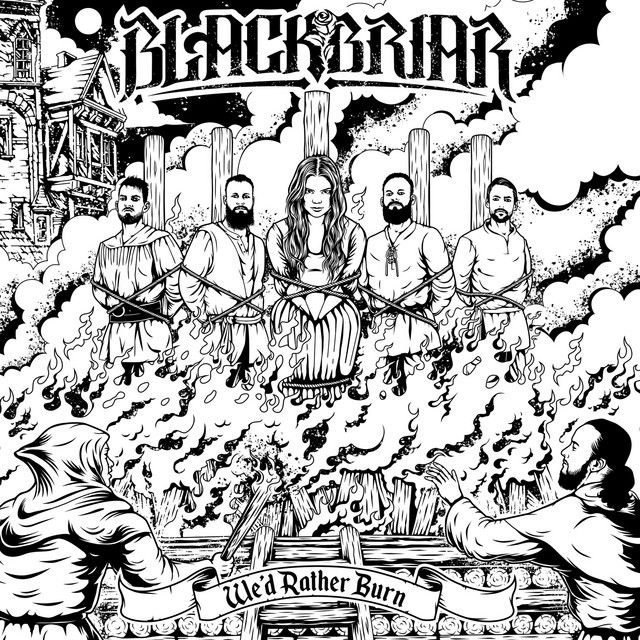
Why 'I'd Rather Burn' Feels Like a Gothic Warning
The meaning of I'd Rather Burn Blackbriar starts with a blunt choice: destruction is better than surrender. In this song, they present a speaker who would rather face death than let an enemy take control. That makes the track feel less like a sad confession and more like a vow.
"I'd Rather Burn" - Blackbriar
I'd rather go to the stake
I'd rather burn, oh I'd rather burn
Loading lyrics...
Unable to load lyrics
We're unable to display the lyrics at this time. Please try again later.
Blackbriar are known for mixing gothic metal, symphonic drama, and dark fairy-tale imagery in their music and visuals, as seen across the band’s official profiles and releases (Blackbriar official site, Nuclear Blast). That context matters here. The song uses old-world punishment imagery, but it speaks in a modern emotional language about power, humiliation, and refusal.
A Fire That Means Refusal, Not Defeat
At the center of the song is the repeated idea I'd rather burn
. Paraphrased, the speaker is saying they would choose extreme suffering before giving an oppressor what they want. The title image of the stake points to execution, especially the historical fear surrounding women labeled dangerous, heretical, or unnatural.
Interpretation: this is not just about physical death. It can also be about social death: being shamed, mocked, dismissed, or pushed out. In that reading, the fire becomes a symbol of punishment by a crowd, while the refusal becomes a defense of selfhood.
The song also refuses to end at death. When the speaker promises I'll return
and describes being dead awake
, they turn victimhood into haunting persistence. The enemy may destroy the body, but they cannot erase the will.

Watch the official I'd Rather Burn
music video
Who They Seem To Be Addressing
The lyrics suggest a direct confrontation with a specific enemy, someone who has tried to dominate or erase the speaker. The most revealing moment is the threat tied to causing such pain
. That line changes the song’s emotional balance. It is no longer only about endurance; it becomes about retaliation.
There is also a sharp note of irony in fragile lady brain
. Paraphrased, the speaker throws a sexist insult back at the person who underestimates them. Instead of accepting that label, they weaponize it. The phrase exposes how women are often dismissed as weak, irrational, or delicate, then flips that stereotype into menace.
Interpretation: that makes the song feel like a revenge fantasy against misogyny. The stake is not random horror imagery; it fits a long history of policing women who are seen as threatening.
The Story Moves Like a Curse
The track unfolds in a simple but effective sequence:
- The speaker chooses the stake over surrender.
- They promise that death will not end their presence.
- They warn the listener that a certain melody will signal their return.
- They close by protecting the soul from theft or corruption.
That repeated mention of a tune is important. Instead of returning as a body alone, they return as memory, omen, and sound. Music itself becomes a haunting device. In a song, that is a clever move: the warning is carried by the very medium the audience is hearing.
Why the Chorus Hits So Hard
The chorus works because it is simple, ritual-like, and absolute. Blackbriar do not crowd it with lots of explanation. They let repetition build force. Every return to the main line feels less like fear and more like commitment.
This is a common strength in gothic and symphonic metal: the hook can sound beautiful while carrying violence, sorrow, or doom. Zora Cock, who wrote the song according to the user-provided context, leans into that contrast. A graceful vocal line carries words about execution and revenge, making the song feel eerie rather than chaotic.
Won't let you take my soul awayI'd rather go to the stake
Those two short lines capture the song’s heart. Paraphrased, the body may be destroyed, but the inner self is non-negotiable.
Sound and Style Deepen the Meaning
Even without overexplaining the arrangement, the song’s likely gothic-metal frame matters to interpretation. Blackbriar’s music often pairs crystalline, storybook vocals with heavy guitars, dark orchestral color, and a dramatic rise-and-fall structure (Blackbriar YouTube, Spotify artist page). In a song like this, that style supports the meaning in three ways:
- Beauty against brutality: the elegant singing makes the violence feel chilling.
- Weight behind the vow: distorted guitars and pounding rhythm give the refusal physical force.
- Ghostly repetition: the melodic returns make the threat feel inescapable, like a curse circling back.
The nonsense syllables near the end add another layer. They sound childlike on the surface, but in context they feel uncanny, almost like a nursery rhyme after trauma. That contrast makes the song more unsettling.
Two Strong Ways To Read It
A witch-trial revenge tale
On the most literal level, the song can be heard as a condemned woman speaking to those who will execute her. She accepts the fire, rejects submission, and promises to come back. This reading fits the stake imagery most directly.
A metaphor for surviving judgment
Interpretation: the song can also describe someone facing abuse, public shaming, or emotional control. In that version, “burning” means paying a huge price for staying true to themselves. The vow to return means the self survives even when others try to break it.
Why the Song Lasts in the Mind
The meaning of I'd Rather Burn Blackbriar is powerful because it turns persecution into agency. They do not present pain as noble for its own sake. Instead, the song says there are things worse than suffering: surrender, silence, and loss of soul.
That is why the track feels both dark and empowering. It speaks in the language of gothic horror, but its emotional core is resistance.
Disclaimer: This interpretation is based on the lyrics, Blackbriar’s artistic style, and public band context. As with most songs, listeners may reasonably hear different meanings in it.








