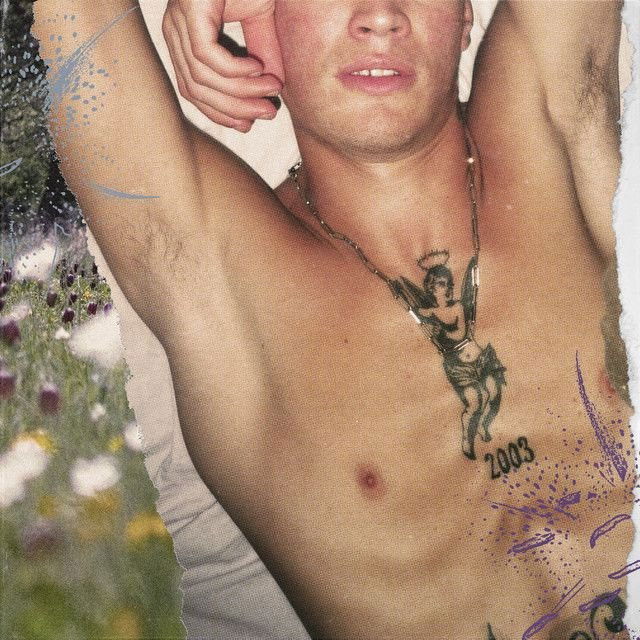
Why 'Ladro Di Fiori' Feels Tender and Restless
BLANCO’s “Ladro Di Fiori” turns a simple love scene into something softer and stranger. At first, it sounds like flirtation: flowers, lipstick, a long night, and two people trying to keep the moment alive. But the meaning of Ladro Di Fiori BLANCO goes deeper than romance.
"Ladro Di Fiori" - BLANCO
E ho rubato a te
In un campo di gigli, siamo tornati bimbi
Loading lyrics...
Unable to load lyrics
We're unable to display the lyrics at this time. Please try again later.
At its core, the song is about wanting closeness while also feeling unsure of who they are. The speaker reaches for beauty, innocence, and intimacy, yet they never sound fully settled. They want to be chosen, understood, and seen clearly. That mix of desire and self-doubt is what gives the song its ache.
A Flower Thief, Not a Villain
The title image matters right away. When the speaker says ladro di fiori
, they are not describing a violent thief. They seem more like someone who steals beauty because they are overwhelmed by it. They love the other person’s “colors,” and that idea turns attraction into something almost painterly.
Interpretation: the “theft” may suggest emotional borrowing. They take inspiration, comfort, or identity from the person they love. In other words, this is not about possession so much as dependence. The beloved becomes a source of color in a life that may otherwise feel unstable.
The opening also places the pair in a field of lilies, where they become children again. That return to innocence is important. BLANCO often writes with a raw, exposed style, and here the song links love with a temporary escape from adult defenses. The relationship feels pure for a moment, but only for a moment.
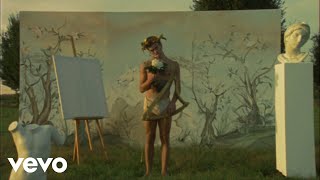
Watch the official Ladro Di Fiori
music video
The Push and Pull of the Night
The verses create a small drama. One person asks the other to stay, using the repeated plea resta qui ancora mezz'ora
. The reply is more guarded. The speaker resists becoming just a thrill, saying they are not merely a shiver down someone’s spine.
That exchange gives the song its emotional engine:
- One person wants more time.
- The other wants to protect their deeper self.
- They still stay together through the night.
- Dawn arrives before anything is fully resolved.
This is why the song feels both romantic and uneasy. It is not a simple seduction anthem. They are trying to protect their dignity inside a vulnerable moment.
Vorrei
Avere i tuoi occhi
per vedere chi sono davvero
Those lines carry the song’s real center. The speaker does not only want love; they want recognition. They hope the other person can reveal their true self back to them.
The Chorus Turns Love Into Self-Discovery
The chorus is where the meaning of Ladro Di Fiori BLANCO becomes clearest. The speaker wishes they could see through the other person’s eyes and be felt beyond surface appearances. This shifts the song from a scene of attraction into a confession of insecurity.
They are not asking, “Do you want me?” They are asking, “Can you tell me who I am?” That is a much bigger question.
Interpretation: this can be read as a young-love song about identity. The relationship acts like a mirror. The beloved becomes a test of whether the speaker is lovable, knowable, or even real to themselves. The repeated idea of chi sono davvero
shows that the deepest need is authenticity.
Little Objects, Big Feelings
One of BLANCO’s strengths is making small details carry emotional weight. In this song, roses, lipstick, a mailbox, and even a bill become signs of what lasts after a relationship changes.
The line about leaving a final flower behind suggests a farewell gesture, but it is humble, almost messy. Then the song undercuts romance with a mundane image: the last memory may survive on a household bill. That detail is sharp because it brings love down from fantasy into ordinary life.
This contrast matters. Flowers stand for beauty, but bills stand for consequence. BLANCO places both in the same emotional world. Love is beautiful, but it also leaves traces in the practical, unglamorous parts of life.
How the Sound Supports the Lyrics
Even without heavy production details, the song’s feel supports its meaning. The writing moves like late-night conversation: soft, intimate, and a little repetitive in the way real emotions are. The repeated “no” phrases sound playful on the surface, yet they also mimic hesitation.
BLANCO’s vocal style is key too. They often sing with a mix of fragility and urgency, and that approach suits a lyric built on longing. The melody lifts during the emotional lines, especially around the wish to be truly seen, giving the chorus a searching quality rather than a triumphant one.
Interpretation: the arrangement likely works best as atmosphere, not spectacle. The emotional goal is not to overwhelm the listener, but to keep them close enough to hear every wobble in the speaker’s confidence.
Artist Context Helps Explain the Mood
BLANCO, the stage name of Riccardo Fabbriconi, has built a reputation for emotionally direct pop that blends youthful intensity with vulnerability, as noted in major coverage of their rise and career Wikipedia. The songwriting credit for “Ladro Di Fiori” includes Fabbriconi and Michele Zocca, according to the song information provided in the prompt.
That context fits the song well. BLANCO often sounds impulsive, but there is careful emotional design underneath. “Ladro Di Fiori” keeps their signature openness while softening it into something dreamy and reflective.
So What Is the Song Really Saying?
The best way to read “Ladro Di Fiori” is as a song about borrowed beauty and uncertain identity. Love offers a magical space where two people can feel young again, surrounded by color and possibility. But beneath that sweetness is a harder need: to be known fully.
The speaker steals flowers because beauty is easier to hold than certainty. They stay through the night because intimacy feels close to truth. Yet by morning, the question remains.
That is what makes the song memorable. It is not just about romance. It is about using romance to search for the self.
Disclaimer: This interpretation is based on the lyrics provided, available artist context, and musical cues. As with most songs, listeners may hear different meanings in the same lines.








