Why "Stop Making This Hurt" Hits So Hard
The meaning of Stop Making This Hurt Bleachers comes down to a painful but direct idea: some endings hurt more when people refuse to let them end. Bleachers turn that truth into a huge pop-rock singalong, where sadness, family pressure, memory, and escape all crash together.
"Stop Making This Hurt" - Bleachers
Daniel puts the kids to bed
They're screaming, "Oh, the gods must be crazy"
Loading lyrics...
Unable to load lyrics
We're unable to display the lyrics at this time. Please try again later.
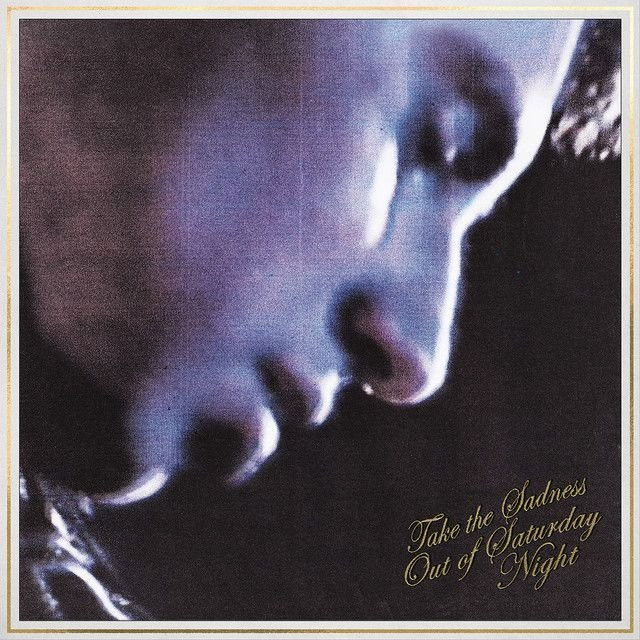
Released in 2021 as a single from Take the Sadness Out of Saturday Night, the song sits right in Jack Antonoff’s familiar world of New Jersey imagery, restless driving, and emotional overload. Antonoff has spoken often about building Bleachers around memory, home, and the push-pull between joy and grief, a theme reflected across coverage of the project by sources like Rolling Stone and Pitchfork.
A breakup song that feels bigger than a breakup
On the surface, the chorus is simple. The repeated plea to stop making this hurt
sounds like someone begging for a clean break. Instead of stretching out the pain, they want the other person to be honest and final.
But the verses make the song wider than a standard breakup track. They move through snapshots of family members, children, aging parents, and unease about home. That matters because it suggests the speaker is not only stuck in one relationship. They are living in a whole world that feels unstable.
Interpretation: the song is about emotional delay. People know something is over, yet they keep performing the drama of it. The line about saying goodbye “like you mean it” turns the chorus into a demand for truth, not cruelty.

Watch the official Stop Making This Hurt
music video
The verses build a crowded world of stress
One reason the song feels so powerful is that it does not stay in a private room. It keeps cutting to other lives. A father is nearby and vulnerable. A mother wants release. Kids are loud, confused, and desperate to belong. The result is a portrait of modern pressure, where personal pain blends into family history and social anxiety.
When the song mentions seeing someone written in big lights
and later on street signs, it shows how inescapable memory has become. The person they are trying to leave is everywhere. Even ordinary surroundings start to feel haunted.
That image fits Antonoff’s style. Bleachers songs often turn highways, suburbs, and night drives into emotional symbols. Here, the road is not freedom by itself. It is a place where old feelings keep returning.
What the chorus really means
The emotional center is the command to say goodbye like you mean it
. That phrase is blunt, but not cold. It sounds like someone who knows that half-measures are worse than pain.
There is also a subtle second idea in the line trying on this hurt
. That phrase suggests hurt can become a role people wear. Instead of moving through grief, they repeat it, test it, and live inside it. The song pushes back on that cycle.
Interpretation: Bleachers are not saying pain is fake. They are saying pain can become prolonged when people refuse clarity. The difference is important. The chorus asks for honesty, because honesty is the first step toward healing.
The key line about Saturday night
The most revealing moment may be the question about taking sadness out of Saturday night. In plain terms, the song wonders what remains if people strip away the melancholy they have attached to youth, nightlife, memory, and romance.
if we take the sadness
out of Saturday night
That brief thought captures a major Bleachers theme: sadness is not just a wound. It can also feel like identity. If someone lets go of it, who do they become?
This gives the song its emotional complexity. It wants relief, yet it also fears emptiness. That tension is why the track does not sound like neat closure. It sounds like survival in progress.
How the sound carries the message
The production is a huge part of the meaning of Stop Making This Hurt Bleachers. Antonoff and co-writer Patrik Berger build the song like a celebration that keeps bumping into panic. The beat is brisk. The horns punch through. The drums and handclaps push everything forward.
That bright arrangement creates a smart contrast. Lyrics about rupture and strain arrive in a style that feels almost triumphant. Bleachers often use that trick: they make lonely feelings sound public and communal, as if dancing is how people endure them.
There is also a strong classic-rock influence in the song’s momentum and brass-heavy lift, something many critics noted when the single arrived in 2021 in reviews at outlets like NME and Variety. The effect is important. The music refuses to collapse, even when the words are close to despair.
Two strong ways to read the song
Reading one: a romantic ending
The clearest reading is that someone is trapped in the final stage of a relationship. They see reminders everywhere, cannot stop replaying the past, and want the other person to stop dragging out the inevitable.
Reading two: leaving an old life behind
A bigger reading is that the song is about breaking with inherited pain. The family details, home-state imagery, and lines about country suggest a struggle with identity itself. In that version, the goodbye is not just to a lover. It is to an old story about who they are.
Both readings can be true at once. Bleachers songs often work that way, mixing the personal, regional, and national into one emotional blur.
Why the song still lands
What makes this track stick is its honesty about how people cling to what hurts them. They may not want the pain itself, but they know its shape. Letting go means stepping into uncertainty.
That is why the song feels both desperate and alive. It does not pretend goodbye is easy. It only argues that dragging it out can be worse.
Disclaimer: This interpretation is based on the lyrics, the song’s production, and publicly discussed Bleachers themes. As with any song, listeners may hear meanings that differ from this reading.








