Sea Of Joy by Blind Faith
They called their only album Blind Faith, but this track sounds more like earned faith. The meaning of Sea Of Joy Blind Faith centers on leaving confusion behind and moving toward a shared release. Even when the words feel abstract, the music guides the listener toward light and motion, like wind catching a sail.
"Sea Of Joy" - Blind Faith
Or are they only figments of my eyes?
And I'm feeling close to when the race is run.
Loading lyrics...
Unable to load lyrics
We're unable to display the lyrics at this time. Please try again later.
A Search for Clarity in a World of Shadows
The song opens with a question about what’s real and what’s imagined. The speaker admits how hard it is to trust his eyes, then immediately pictures a launch toward something better.
Following the shadows of the skies, Or are they only figments of my eyes?
From there, the sea becomes a way out of doubt. The image is not a postcard beach; it’s an inner ocean where confusion thins and intuition takes the wheel. Interpretation: the narrator feels a shift from paralysis to movement—the mind stops chasing “shadows” and steadies on a horizon.
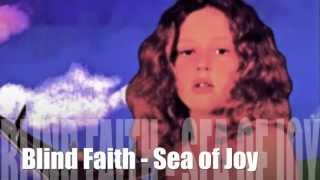
Watch the official Sea Of Joy
music video
Who’s Speaking, and Why the Sea Matters Now
It’s a first‑person voice reaching for a second person. They sense they are near an ending—the race is run
—and turning toward what comes next. They also invite someone along, repeating a communal image: waiting in our boats
.
Interpretation: the boats suggest readiness. The speaker isn’t alone; they want company for the crossing. The “sea” is not just escape but a place to be remade with another. That promise softens the song’s uncertainty and makes the refrain feel like a safe harbor.
The Refrain as a Promise, Not a Place
The title phrase lands like a mantra. Every time the chorus returns, it reframes the verses’ doubt with a gentler outlook. Interpretation: “Sea of Joy” is a mental or spiritual state—a current they can choose to ride. The repetition turns abstract images into intention, the way saying a destination out loud makes the journey real.
Symbols That Steer the Song
- Thresholds and openings: The line about a
door swings open
paints a literal passage. Interpretation: clarity often begins with a single, surprising chance—an “open door” moment. - Doubt and pain: The stubborn
thorn between my eyes
suggests a recurring worry or a splinter in perception. It won’t vanish on command; the trip is also about healing. - Urban blockage: When the singer says
concrete blocks my view
, the city becomes a metaphor for stuckness. Interpretation: hard edges crowd out sight and spirit; the sea counters that with space and flow. - Time and endings: The feeling that the “race” is over signals closure. Interpretation: an old chase—ambition, addiction to speed, or simple confusion—has run its course.
- Boats and community: Repetition of “our boats” turns a private struggle into a shared voyage.
How the Sound Carries the Meaning
Blind Faith blends folk‑rock warmth with blues grit. Steve Winwood’s vocal is clear but yearning, floating over Eric Clapton’s melodic guitar. Ric Grech’s violin becomes the song’s turning point, sawing across the texture like wind stirring waves. The band also shifts meters in the instrumental section, letting the rhythm rock and tilt as if the song itself rides swells.
Ginger Baker’s drums feel buoyant rather than heavy, pushing the band forward without boxing it in. Production by Jimmy Miller favors space: instruments breathe, and the mix leaves room for overtones to shimmer. Interpretation: those choices mirror the lyrics’ move from closed rooms to open water. The arrangement doesn’t just decorate the words; it embodies them.
Context: Blind Faith’s Brief Flame
Blind Faith formed in 1969 as a supergroup—Winwood, Clapton, Baker, and Grech—and released one self‑titled album. “Sea of Joy,” written by Winwood, sits between the hush of “Can’t Find My Way Home” and the gospel lift of “Presence of the Lord.” That placement matters. Interpretation: the track reads like a bridge—less confessional than one, more outward‑looking than the other—showing the band straining toward clarity after the chaos of the late ’60s.
Knowing the lineup also sharpens the lyric’s pull. Winwood’s spiritual streak from Traffic meets Clapton’s lyrical guitar and Baker’s restless drive. The result is a song that sounds hopeful without being naïve.
Alternate Currents: Love Song or Spiritual Awakening?
- Love‑forward reading (Interpretation): The address feels personal, and the shift from blockage to motion happens “because of you.” In this lens, a relationship helps the singer see past doubt to the horizon.
- Spiritual/creative reading (Interpretation): The “door” and “thorn” echo mystic language. The sea becomes a state of grace where the artist sheds ego and follows a deeper current. The violin’s lift suggests a rite of passage.
Both readings fit, and the band’s blend of soul, blues, and folk keeps the door open to either path.
Takeaway: A Map for Leaving the Harbor
In simple images—shadows, doors, boats—the song charts a move from strain to trust. That’s the core meaning of Sea Of Joy Blind Faith: clarity arrives when they accept the voyage and invite another along. The music rocks like water, and the words point to a wider sky.
Interpretation disclaimer: Song meanings are subjective. This reading draws on lyrics, performance, and known context, but your own experience may suggest something different.