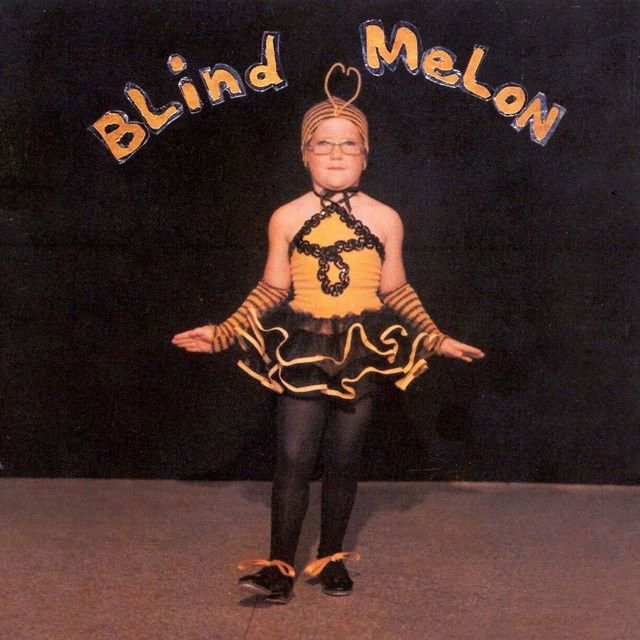
No Rain by Blind Melon
They know the video: a tap-dancing Bee Girl hunts for her people. But the deeper meaning of No Rain Blind Melon fans return to is the push-pull between sunny sound and cloudy thoughts. This is a feel-good hit about not feeling good—and about how connection can change that.
"No Rain" - Blind Melon
I like watchin' the puddles gather rain
And all I can do is just pour some tea for two
Loading lyrics...
Unable to load lyrics
We're unable to display the lyrics at this time. Please try again later.
A Sunny Vibe, A Cloudy Head
At heart, No Rain is about listlessness. The narrator admits their days feel dull—summed up in the phrase my life is pretty plain
—and they drift through routine. Bassist Brad Smith, who wrote most of the song, has said he composed it during a funk when getting out of bed felt impossible. He originally imagined it from a partner’s viewpoint and later realized it reflected his own.
Musically, the track sparkles. It’s in E Mixolydian, with a mid-up tempo and a buoyant, jangle-guitar figure that repeats like a mantra. Producer Rick Parashar captured an open, airy mix—acoustic strums up front, crisp snare, and bass that bounces rather than broods. Shannon Hoon’s light, slightly nasal tenor lifts the melody, making the heaviness feel weightless.

Watch the official No Rain
music video
Who’s Speaking, And What They Need
The narrator speaks in first person, confiding in an unnamed “you.” What they crave is simple: steady care. The chorus is a plea for everyday presence and reassurance:
I just want someone to say to me I’ll always be there when you wake
They aren’t asking for fireworks. They want someone to help them face mornings, to keep my cheeks dry
, to simply stay with me
. Interpretation: It’s about stability as medicine—love as a routine that steadies wobbly moods.
The “No Rain” Metaphor, Made Clear
Interpretation: Rain becomes a permission slip. On rainy days, staying in bed feels justified; on sunny days, avoiding life feels like failure. The lyric about wanting to sleep all day
and calling reading a great escape
shows how even harmless comforts can turn into avoidance when someone is down.
This is the trick of the song: the title sounds cheerful, yet the absence of rain removes the narrator’s excuse to hide. That tension—between the world’s bright weather and an inner gray—gives the song its bite.
Symbols You Can See And Hear
A few recurring images deepen the theme:
- Puddles and weather: Mood tied to forecast. Rain stands for permission to withdraw; sunshine exposes inertia.
- Tea for two: A tiny ritual suggesting intimacy, the quiet antidote they seek.
- Books as escape: Healthy in moderation, numbing when it replaces action.
- The Bee Girl: In the video, the child’s tap routine is mocked; she wanders the city alone until she finds a meadow full of dancers dressed like her. Interpretation: It’s a fable of belonging—the same acceptance the narrator asks for in the chorus.
How The Sound Makes Sad Feel Sweet
Blind Melon balances melancholy with lightness. The guitars shimmer; the rhythm section sways with a near-island lilt; Hoon reaches into gentle head voice on key lines. That arrangement choice matters. Interpretation: By sounding bright, the band normalizes the narrator’s feelings—saying it’s okay to talk about low spells without sinking into them.
Parashar’s production at London Bridge Studio keeps everything organic and roomy. You can hear space between the parts, which mirrors the song’s longing for breathing room. The hook arrives often and cleanly, so the emotional ask doesn’t feel heavy-handed.
Why It Stuck: Charts, Culture, And Community
No Rain became Blind Melon’s breakout. It reached #20 on the Billboard Hot 100 and hit #1 on both the Album Rock and Modern Rock charts in 1993. The video, directed by Samuel Bayer and starring Heather DeLoach as the Bee Girl, ran constantly on MTV and helped send their debut to multi-platinum status.
Critics have noted the paradox at the center: a hammock-sway guitar riff and a vocal that feels carefree, while the lyrics quietly outline depression. That contradiction made the song easy to love—listeners could dance first, then recognize themselves in the words later.
Other Readings That Fit
- Interpretation: Codependency. The narrator relies on a partner’s presence to regulate emotion, hinting at an unsteady balance between comfort and need.
- Interpretation: Self-acceptance. The line about others rejecting their “point of view” suggests social judgment; the Bee Girl’s final dance with her tribe reframes oddity as identity.
- Interpretation: Everyday recovery. The song treats small routines—morning wakeups, shared tea, finishing a chapter—not as cures but as bridges out of isolation.
They end by insisting things will improve, repeating that hope like a promise. Optimism doesn’t erase the clouds; it coexists with them.
Interpretation disclaimer: Song meanings are subjective; this reading combines the band’s public comments with musical and lyrical analysis.









