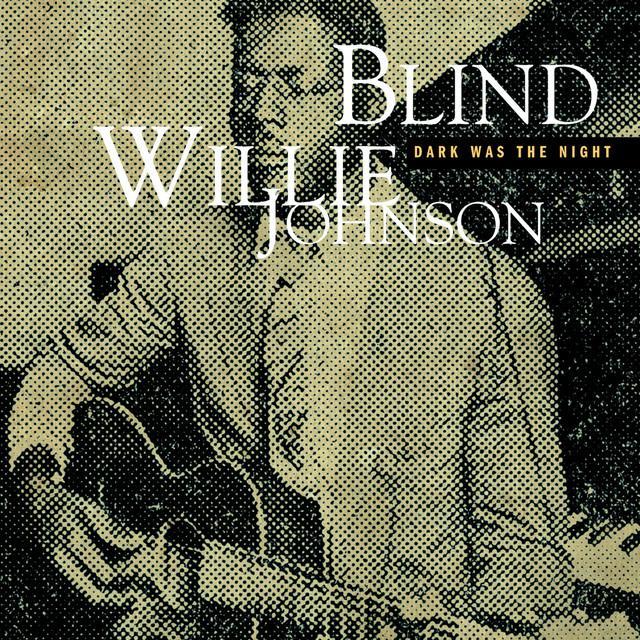
Why Blind Willie Johnson’s Samson Song Still Hits
The meaning of If I Had My Way I'd Tear the Building Down Blind Willie Johnson starts with a Bible story, but it does not stay safely in the past. Blind Willie Johnson turns the story of Samson and Delilah into something urgent, physical, and almost frightening. Their version sounds less like quiet worship and more like a warning shouted from the edge of disaster.
"If I Had My Way I'd Tear the Building Down" - Blind Willie Johnson
I had-a, a wicked mind
If I had-a, ah Lord, tear this building down
Loading lyrics...
Unable to load lyrics
We're unable to display the lyrics at this time. Please try again later.
Recorded in 1927, Johnson’s song is widely understood as a version of the traditional “Samson and Delilah” ballad, as noted by Wikipedia. That matters because Johnson was not just retelling scripture. They were reshaping a folk-gospel story into a performance about strength, betrayal, judgment, and the desire to bring down evil with one final act.
The Core Message Beneath the Biblical Plot
On the surface, the song retells parts of Judges 13–16. It moves through Samson’s attraction to Delilah, the pressure placed on him, the secret of his strength, and the final collapse. But the deeper point is not simple storytelling.
The repeated cry tear this building down
gives the song its emotional center. In plain terms, the singer imagines destroying the place where corruption, betrayal, and oppression gather. That makes the song feel bigger than one man’s revenge.
Interpretation: Johnson’s refrain can be heard as a fantasy of divine justice. The “building” is literal in Samson’s story, but it also suggests any sinful power structure that seems too strong to resist.
Watch the official If I Had My Way I'd Tear the Building Down
music video
How the Verses Build the Tension
The lyrics move in rough, oral-storytelling fashion. They do not read like polished literary verse. Instead, they jump from scene to scene, which gives the performance a lived-in, traditional quality.
Desire, Then Danger
Early verses stress Delilah’s beauty, including the phrase coal black hair
. The song first shows attraction, then quickly links that attraction to danger. Samson is not ruined by strength alone or by weakness alone. He is undone by desire, trust, and pride mixed together.
That is why the song feels moral without sounding stiff. It does not preach with abstract ideas. It shows a person making choices step by step.
Riddle, Violence, and Falling Power
Other verses bring in famous moments from the Samson story, including the lion, the honey, and the jawbone. Brief lines like strong came forth sweet
compress a whole biblical riddle into a memorable phrase. Johnson assumes listeners either know the story or can feel its force even without every detail.
The result is a song about power under pressure. Samson looks unbeatable, but every triumph moves him closer to collapse. That is a classic gospel idea: human strength can look huge, but it fails when it loses spiritual grounding.
Why the Chorus Matters So Much
Each return to the hook changes the meaning of the story. After betrayal, after fighting, after the secret is exposed, the song circles back to that same desire to bring everything down.
If I had my way
tear this building down
Those short lines turn narrative into testimony. The singer is no longer only describing Samson. They seem to step inside his rage, or at least use his story to express a broader hunger for judgment.
Interpretation: This is why the song has lasted. The chorus is simple enough to remember, but deep enough to carry many meanings: resistance, punishment, release, even apocalyptic hope.
The Sound Makes the Meaning Feel Physical
A big part of the meaning of If I Had My Way I'd Tear the Building Down Blind Willie Johnson comes from how it sounds. Johnson’s music often fused gospel themes with a raw blues feeling, and their slide guitar style is central to that power. The recording’s rough edges and driving rhythm make the biblical scenes feel immediate rather than distant.
Their voice is grainy, forceful, and full of strain. That strain is important. It makes the song sound embodied, as if the singer is wrestling with the story instead of merely reciting it.
The guitar answers the vocal in sharp, cutting phrases. Rather than offering a soft church backdrop, the instrument pushes the drama forward. In that sense, the production supports the theme: collapse is not theoretical here. It feels close enough to touch.
Blind Willie Johnson’s Context Changes the Reading
Blind Willie Johnson was a major gospel-blues artist whose recordings for Columbia Records helped define the sacred side of early slide guitar music. Knowing that context keeps the song from being mistaken for simple entertainment.
Johnson often recorded religious material, but they delivered it with fierce emotional weight. In this song, that approach turns Samson into more than a Sunday school figure. He becomes a vessel for spiritual conflict.
For listeners in the United States, especially in the history of Black sacred music, that intensity can also suggest endurance under pressure. The lyrics do not directly state a social protest. Still, the image of tearing down an unjust structure naturally invites broader hearing.
Interpretation: Some listeners hear the song as coded resistance as much as gospel narrative. That reading is possible, but it should remain an interpretation rather than a settled fact.
A Song About Judgment, Not Just Revenge
It would be easy to hear the song as pure anger. But Johnson’s performance points to something larger than personal payback. Phrases like natural man
underline the fall from sacred strength into ordinary human weakness. Samson’s tragedy is not only that Delilah betrays him. It is that he forgets what his power was for.
So the ending lands as both warning and release. Human desire leads to ruin. Betrayal exposes weakness. Yet destruction also becomes the path to final justice. That mix of fear and hope is what gives the song its lasting force.
Why It Still Connects Today
Modern listeners may not catch every biblical reference on first listen, but they usually catch the emotion. The song is about what happens when power is misused, when trust is broken, and when someone longs to smash the whole corrupt system rather than live under it anymore.
That is why the meaning of If I Had My Way I'd Tear the Building Down Blind Willie Johnson still feels alive. It is an old gospel-blues recording, but its heart is timeless: people pushed to the limit often dream of judgment, cleansing, and a world remade.
Disclaimer: This interpretation combines documented context with informed critical reading. Because the song is traditional in origin and poetic in form, some meanings remain open to debate.







