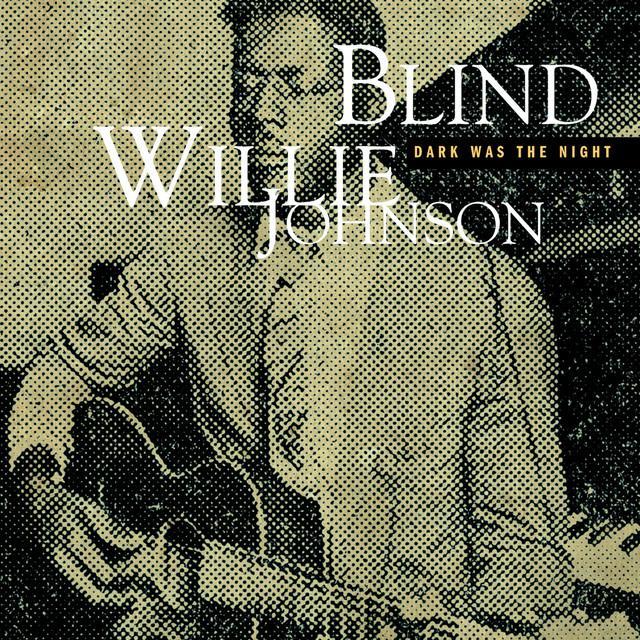
It’s Nobody’s Fault but Mine by Blind Willie Johnson
A gospel-blues warning with no excuses
The meaning of It's Nobody's Fault but Mine Blind Willie Johnson starts with a blunt idea: spiritual failure cannot be blamed on anyone else. In this 1927 gospel-blues recording, they present a speaker who has been given the tools to seek salvation, yet admits that ignoring them would be their own choice.
"It's Nobody's Fault but Mine" - Blind Willie Johnson
Nobody's fault but mine
If I don't read it my soul be lost
Loading lyrics...
Unable to load lyrics
We're unable to display the lyrics at this time. Please try again later.
That is what makes the song so severe and memorable. It is not about bad luck, unfair enemies, or a cruel world. It is about responsibility. The repeated confession nobody's fault but mine
turns the song into a moral mirror, where the speaker judges their own actions before anyone else can.
According to Wikipedia, Johnson recorded the song in Dallas on December 3, 1927, as a solo performance of voice and slide guitar. That stripped-down setup matters because nothing softens the message.
Watch the official It's Nobody's Fault but Mine
music video
The core message: knowledge brings duty
At the center of the song is the Bible. The speaker says they have one at home and knows what it represents. The warning is simple: if they do not read it, the soul may be lost. In other words, access to truth creates responsibility.
This is why the song feels heavier than a general church hymn. It is not only asking people to believe. It is saying they already know what they should do. The phrase my soul be lost
carries fear, but also clarity. The danger is real, and the speaker knows the remedy.
Interpretation: Modern listeners do not have to hear this only as a literal warning about Bible reading. It can also sound like a broader statement about neglected wisdom. When people already know the right path but refuse to follow it, the harm that follows may be self-made.
Family, teaching, and the burden of choice
One of the song’s most moving details is the mention of family members who taught the speaker how to read. The father, mother, and sister are not blamed. They are remembered as people who passed something valuable down.
That detail changes the emotional tone. This is not a story of someone abandoned or denied guidance. It is a story of someone who received care, learning, and spiritual opportunity. So when the chorus returns, the guilt becomes sharper.
Father he taught me how to readMother she taught me how to read
These lines point to inheritance. Reading here is not just a school skill. It is a sacred gift. Johnson, who was blinded as a child, gives those lines extra force because literacy and scripture carry deep personal and cultural meaning in his world. The song honors those who taught, while insisting that teaching alone cannot save someone who refuses to act.
Why the sound feels so intense
The performance is crucial to the song’s meaning. Johnson sings in a rough, urgent voice that often sounds like a cry, a moan, and a sermon at once. Between lines, his slide guitar answers back, almost like another voice.
That call-and-response shape gives the song spiritual drama. The guitar does not merely decorate the words; it seems to press on them. The effect is stark and haunted. Research on the song notes Johnson used slide guitar in open D tuning with an alternating bass figure, creating a steady pulse under the vocal anguish.
Eric Clapton once praised Johnson’s playing as perhaps the finest slide guitar he had heard, a comment repeated in the song’s documented reception. That admiration makes sense. The guitar sounds raw but exact, as if each note is part of the warning.
A sermon built from repetition
Repetition is one of the song’s strongest tools. Johnson circles back to the same confession and the same fear again and again. Rather than sounding repetitive in a weak sense, it feels like spiritual pressure building.
The line I have a Bible
matters because it removes any excuse. The line Lord, Lord
matters because it sounds like prayer under strain. Together they make the song feel like a private confession spoken out loud.
Historical context and lasting impact
Blind Willie Johnson worked in gospel blues, a form that joined sacred themes with blues feeling and technique. That mix helps explain why the track still feels powerful. It has the directness of religious testimony and the ache of the blues.
The original recording lasted a little over three minutes, yet it left a huge mark. It became one of Johnson’s most covered songs, later reworked by artists including Led Zeppelin, who kept the core idea of personal blame while shifting the setting and meaning. Johnson’s version, though, remains the clearest statement of the song’s spiritual roots.
Interpretation: Part of the song’s endurance comes from how universal its structure is. Even for listeners outside Christianity, the message lands: people often know better, receive help, and still fail themselves.
Final takeaway
The meaning of It's Nobody's Fault but Mine Blind Willie Johnson is about personal responsibility before God, shaped by family teaching, moral knowledge, and the fear of wasting both. Its power comes from the way the lyric, vocal delivery, and slide guitar all say the same thing: no excuse will hold.
That is why the song still feels startling today. They turn accountability into something spiritual, emotional, and deeply human.
Disclaimer: This interpretation is based on the recording’s lyrics, musical style, and documented historical context. As with all songs, listeners may hear additional meanings.








