Why 'Carousel' Still Defines blink-182
The meaning of Carousel blink-182 starts with a simple feeling: being surrounded by life, yet still feeling deeply alone. Long before the band became famous for bigger hooks and sharper jokes, they opened one of their earliest signature songs with fear, distance, and restless motion.
"Carousel" - blink-182
I never felt so alone again
I stop to think at a wishing well
Loading lyrics...
Unable to load lyrics
We're unable to display the lyrics at this time. Please try again later.
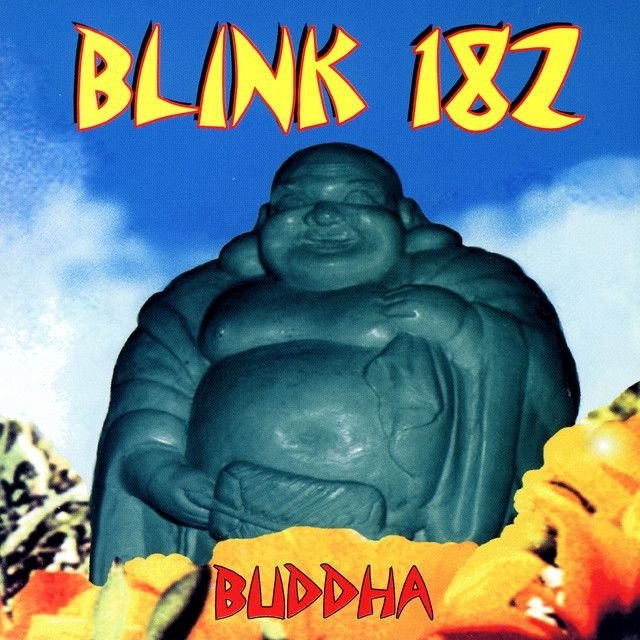
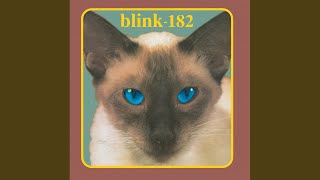
Factually, “Carousel” dates back to blink-182’s earliest period. It began during the first jam session between Tom DeLonge and Mark Hoppus in 1992, appeared on Buddha in 1994, and was re-recorded for Cheshire Cat in 1995. It has remained a live staple ever since. Those details are widely documented in the song’s release history and band lore.
The Heart of the Song Is Isolation in Motion
At its core, “Carousel” is about a person trapped in repeating thoughts. The image of a carousel matters because it suggests movement without progress. The speaker keeps circling the same emotions: missing someone, feeling disconnected, and trying to understand why that loneliness will not let go.
That is clear when the song pairs occasional contact with emotional emptiness. The narrator says they speak every so often, but that contact does not solve anything. In fact, it seems to make the emptiness stronger. Short phrases like alone again
and on my own
show that the real pain is not silence by itself. It is the gap between wanting connection and not receiving enough of it.
Interpretation: The song is not just about one bad night. It sounds more like a pattern of emotional drift, where every attempt to reconnect leads back to the same lonely place.
Watch the official Carousel
music video
From School Dreams to Adult Reality
One of the smartest things in the lyric is how it shifts from memory to survival. Early on, the song looks back at youth with a strange mix of nostalgia and disappointment. The line about school being a kind of dream suggests that even those years felt unreal, as if life was already slipping by before adulthood even began.
Then the second verse gets more concrete. Suddenly the speaker is thinking about work, food, gas, and basic comfort. A phrase like nothing is free
turns the song outward, from emotional pain to economic pressure. Another detail about needing a job just to sleep in sheets makes everyday life sound exhausting rather than exciting.
This shift is a big key to the meaning of Carousel blink-182. The song is not only sad about romance or friendship. It is also about growing up and realizing that adult life can feel cold, expensive, and joyless.
A Quick Narrative Map
- The speaker reaches out but still feels abandoned.
- Their thoughts spin in circles, like the title image suggests.
- The chorus turns that pain into a repeated nighttime loneliness.
- The next verse connects that feeling to work, money, and survival.
- By the end, the song loops back emotionally, proving nothing has been resolved.
Why the Chorus Hits So Hard
The chorus lands because it turns private pain into routine. The repeated idea of another night alone
makes the sadness sound ordinary, which is exactly why it hurts. This is not a dramatic breakdown with a clear cause and ending. It feels like a condition the narrator expects to repeat.
That repetition is crucial. Blink-182 use a simple hook, but the emotional effect is strong because they do not over-explain it. They let the listener sit with the cycle.
Interpretation: The chorus suggests loneliness becomes most powerful when it stops feeling exceptional. Once isolation becomes normal, it starts shaping how a person sees everything else.
The Music Turns Anxiety Into Momentum
“Carousel” is also a great example of early blink-182 using sound to carry meaning. The opening bassline is one of the song’s defining features, and Mark Hoppus has linked that style to the influence of Ned’s Atomic Dustbin’s bass approach. That lead-bass opening gives the track movement before the full band even crashes in.
When the guitars and drums arrive, the song becomes fast, bright, and nervous. That contrast matters. The lyrics are heavy, but the arrangement is energetic. Instead of slowing down to mourn, the band pushes forward. The result feels like someone trying to outrun their own thoughts.
Scott Raynor’s drumming adds that caffeinated urgency, while Tom DeLonge’s voice sounds young enough to make the confusion believable. The production on the Cheshire Cat version is still raw, which helps. A cleaner, more polished version might have softened the song’s desperation.
Context Makes the Song Even More Meaningful
“Carousel” reflects an early blink-182 that was more emotionally exposed than their prank-heavy image sometimes suggests. DeLonge later described the lyric as a philosophical kind of question and even looked back on it with mixed feelings, wishing in some ways that he had written better lyrics. That honesty is useful context because it shows the song came from a real early attempt to say something serious.
Critics have also treated “Carousel” as more than just an old fan favorite. It has been ranked highly in retrospective lists of the band’s best songs, which makes sense. It captures a formula they would keep refining: catchy hooks, speed, vulnerability, and a sense that growing up is both funny and painful.
Final Spin: What the Song Leaves Behind
The lasting power of “Carousel” comes from how plainly it frames a difficult feeling. It understands that loneliness is not always dramatic. Sometimes it is repetitive, practical, and mixed up with money, memory, and the dull pressure of everyday life.
That is why the meaning of Carousel blink-182 still connects. Beneath the fast pop-punk surface, the song is about being young and already tired, already missing people, and already learning that motion does not always mean escape.
Disclaimer: This interpretation is based on the released song, documented band context, and critical history. As with most lyrics, listeners may hear meanings that differ from the artist’s exact intent.







