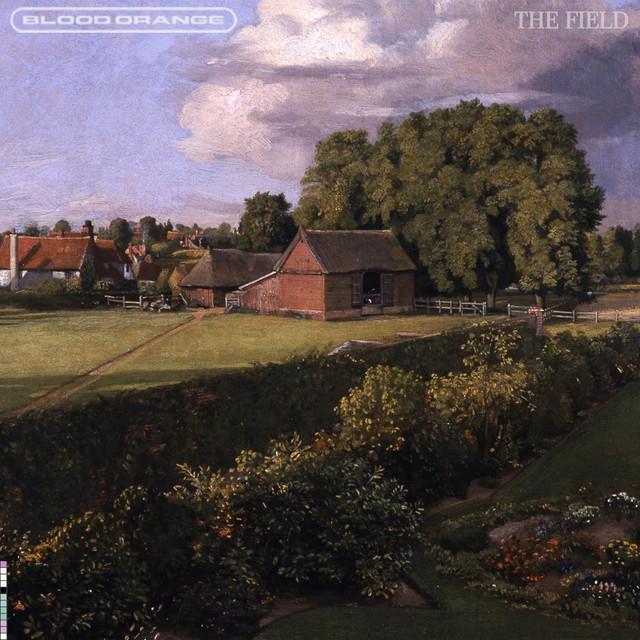
The Field by Blood Orange, Tariq Al-Sabir, Caroline Polachek, Daniel Caesar, The Durutti Column
They step into “The Field” with a question the song never says out loud: How do you hold on without holding back? Across a few, careful lines and a mantra-like refrain, the track turns private ache into a warm, communal hush. It feels devotional but human, tender but clear-eyed.
"The Field" - Blood Orange ft. Tariq Al-Sabir, Caroline Polachek, Daniel Caesar, The Durutti Column
And the sun keeps you warm
Hard to let you go
Loading lyrics...
Unable to load lyrics
We're unable to display the lyrics at this time. Please try again later.
A Farewell Bathed in Sunlight
At its core, the meaning of The Field Blood Orange, Tariq Al-Sabir, Caroline Polachek, Daniel Caesar, The Durutti Column lives in the tension between grief and comfort. The opening admission—Feel it every day
—frames a pain that isn’t fleeting. Yet the counter-image of sunlight says survival is possible.
Interpretation: the sun is a caregiver, a soft presence that keeps life moving. When the narrator admits Hard to let you go
, they refuse denial. They stand inside the hurt, but they also look toward warmth as a way through it.
Who’s Speaking, Who’s Listening?
The voice is first-person and intimate, addressing a second person they still love or deeply miss. The confession sits beside a plea: Sing to me
. This request is less about performance than connection. It’s a way of saying: stay close, even if you can’t stay.
Interpretation: the “you” could be a partner, a friend, a family member, or even a memory. The song’s spareness invites listeners to fit their own story into the space between the lines.
From Gray Skies to a Journey Home
One image keeps returning: It’s always grey
. Gray suggests a world where color has drained out—routine without joy, days that blur. Against that dullness, the chorus offers a ritual that re-colors life: singing together.
Healthy as we pray For a journey home
These two lines are pivotal. “Healthy” casts prayer not as magical thinking but as care. “Home” reads as safety, acceptance, or peace. The song doesn’t demand victory; it asks for arrival.
Why the Refrain Heals
The repeated call—Sing to me
—works like breathing. It centers the body and sets a rhythm for feeling. When they add When the day is done
, the timing matters. Night is when silence grows loud. Asking for song at day’s end turns darkness into a place of company.
Interpretation: the refrain is a coping practice. By turning to music, the narrator reframes loss as shared presence. The song becomes a vessel for holding what words alone can’t handle.
Sound Design: Durutti Glow, Blood Orange Haze
The credits link Devonté Hynes (Blood Orange) with The Durutti Column’s Vini Reilly and Keir Stewart, a meeting of ambient R&B and luminous post‑punk guitar. Interpretation: expect shimmering, finger‑picked patterns and air around the notes—hallmarks of Reilly’s touch—woven with Hynes’s soft-focus keys and hushed bass. Tariq Al‑Sabir’s background in vocal composition hints at choral layering that turns the refrain into gentle lift rather than a belted hook.
Caroline Polachek and Daniel Caesar likely trade lead and harmony, their timbres sharpening the song’s emotional edges: her crystalline glide adding clarity, his velvety tone adding warmth. The production approach feels intentionally light—space as an instrument—so the plea lands without clutter.
What’s Happening, In Order
- Recognition: the ache is daily—
Feel it every day
—and not fading on schedule. - Confession: they admit, plainly,
Hard to let you go
. - Weather report of the soul:
It’s always grey
describes the mood rather than the sky. - A practice: they ask, again,
Sing to me
, choosing communion over withdrawal. - Evening ritual: the request returns
When the day is done
, guarding against the night. - Blessing: a whispered hope for safe passage—“a journey home.”
Symbols You Can Feel
- Sun/Heat: caretaking energy. Warmth that doesn’t erase pain but makes it livable.
- Gray: emotional fog after loss, the flattening of time.
- Prayer: not dogma, but mindful attention; a wish for health.
- Home: the endpoint of grief’s travel—acceptance, reunion, or inner steadiness.
- Song: the bridge between people when language falls short.
Possible Readings You Might Miss
- Grief elegy: the “you” has died; singing keeps their presence alive. Evidence: the balance of grayness with prayer and home.
- Breakup or parting: they separate but stay connected through music and memory. Evidence: refusal to idealize, paired with a tender ask.
- Creative burnout: the “you” is inspiration itself; the chorus asks art to return at day’s end. Evidence: ritual language and non‑specific imagery.
None of these cancel the others; the song is built to hold several truths at once.
Closing Note
“The Field” offers a simple instruction for hard days: hold what hurts, and ask for warmth. In that light, the meaning of The Field Blood Orange, Tariq Al-Sabir, Caroline Polachek, Daniel Caesar, The Durutti Column is less a puzzle than a practice—small words, sung together, until home feels near again.
Disclaimer: Song meanings are subjective. This interpretation draws on lyrics, credits, and stylistic context; your reading may differ—and that’s part of the music’s power.









