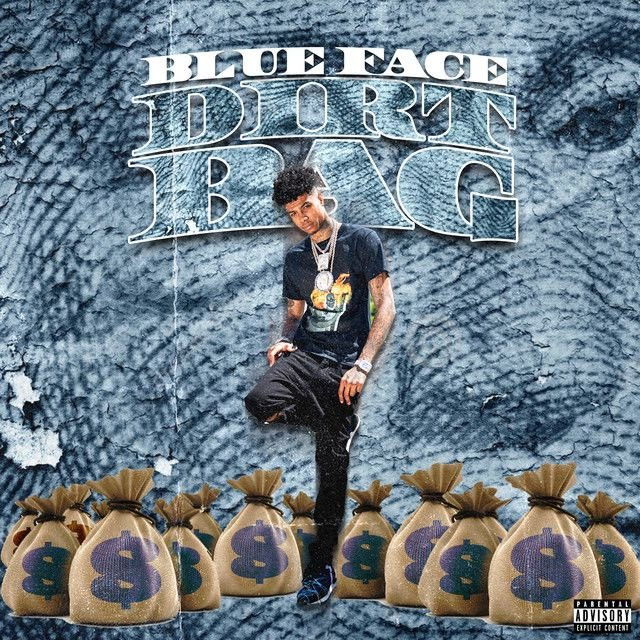
Dirt Bag by Blueface
Blueface’s “Dirt Bag” is less a story with a beginning and end than a self-portrait drawn in blunt, repetitive strokes. For listeners searching for the meaning of Dirt Bag Blueface, the key idea is simple: they present themselves as returning to a rough, unapologetic survival mode and rejecting any pressure to look polished, safe, or mainstream.
"Dirt Bag" - Blueface
Blueface, baby
Yeah, aight
Loading lyrics...
Unable to load lyrics
We're unable to display the lyrics at this time. Please try again later.
Released during Blueface’s breakout year, the song fits the image they built after viral attention for their offbeat flow and West Coast style. According to Billboard, the track arrived on the 2019 Dirt Bag EP, while Blueface’s broader rise had already been powered by “Thotiana” and a fast-growing national profile. That context matters: “Dirt Bag” sounds like an artist answering fame by doubling down on the persona that got attention in the first place.
The Core Meaning Hides in the Hook
The chorus gives away the song’s emotional center. When Blueface repeats back on my dirt bag
, they are not describing a small mood swing. They are announcing a return to a stripped-down identity tied to street habits, danger, and pride.
The next image, Henny in a brown bag
, pushes that idea further. It suggests public drinking, casual disorder, and a life lived without concern for respectability. In plain terms, the song frames “dirt bag” as a badge, not an insult.
Interpretation: the hook works like a manifesto. Instead of apologizing for messiness, Blueface treats it as proof of authenticity. The repeated refrain turns roughness into a kind of status symbol.
Watch the official Dirt Bag
music video
A Persona Built on Threat and Reputation
Much of the verse writing is focused on intimidation. Blueface keeps returning to weapons, retaliation, and readiness, using quick jokes and punch lines to make the threats feel casual rather than dramatic. That casual tone is important: the song’s speaker wants listeners to think this posture is normal, even routine.
A phrase like stick on me
is part of that image-making. It is less about plot than presence. They want to sound permanently prepared, as if danger is always near and weakness is never an option.
The same goes for no rap cap
. In rap, that phrase signals a claim to truth. Whether listeners take every line literally or not, Blueface is insisting that the record should be heard as an extension of real-life identity, not just performance.
Street Details Matter More Than Story
One striking thing about “Dirt Bag” is how little it cares about narrative development. Instead of moving from event to event, the song stacks objects and scenes: a paper bag, a store front, a shoe box, a handgun, sagging pants. These details create a world.
That world is built from visible signs of poverty, hustle, and danger. The mention of storing money in a shoe box, for example, points to an informal economy rather than financial security. The image is not glamorous. It sounds improvised, private, and unstable.
I'm in front of the store with a paper bagI'm back on my dirt bag
Those two short lines capture the whole aesthetic. The speaker places themselves outside formal comfort and then claims that position with pride.
Why the Song Sounds So Aggressive
The production helps sell the meaning. The beat is sparse, hard, and repetitive, leaving space for Blueface’s voice to jab at the rhythm rather than sit neatly inside it. That approach matches what many listeners already knew about their style: an off-kilter delivery that became a signature during their early rise, as summarized in Blueface’s artist profile.
On “Dirt Bag,” that loose timing does something useful. It makes the performance sound unstable in a deliberate way, like the rapper is too self-assured to chase the beat. The beat stays tense and minimal, and Blueface answers it with taunting energy.
This is why the song can feel more confrontational than emotional, even when the lyrics are repetitive. The repetition is the point. The hook keeps hammering one identity until it becomes the entire atmosphere of the record.
Fame vs. the Old Self
One of the most interesting lines in the song is the brief rejection of the larger industry. When Blueface says fuck the mainstream
, they draw a line between commercial rap success and local loyalty.
That tension gives the track an extra layer. By 2019, Blueface was no longer just a neighborhood curiosity. They were a charting rapper with a viral image and major-label backing. Yet “Dirt Bag” acts like a refusal to become smoother or more respectable just because the audience got bigger.
Interpretation: the song may be heard as a defensive move against fame. Instead of adapting to celebrity expectations, Blueface performs a hard reset into the persona that feels least compromised.
Humor, Bravado, and West Coast DNA
Even with its violent imagery, “Dirt Bag” is not solemn. Blueface mixes threats with jokes, odd comparisons, and loose one-liners. That mix keeps the song from sounding reflective. It is performative bravado first.
This also connects to West Coast rap tradition. Blueface’s style has often been compared to California rappers who value personality, slang, and rhythm games as much as dense storytelling. In that sense, “Dirt Bag” is less confession than character work.
The phrase on the gang
, repeated throughout, acts like both emphasis and allegiance. It stamps the song with group identity, making the speaker sound backed by something larger than individual ego.
Final Take on the Meaning of Dirt Bag Blueface
So what is the meaning of Dirt Bag Blueface? At its heart, the song is about reclaiming a reckless, street-coded identity and treating it as a source of credibility. Blueface uses repetition, threat, and rough everyday images to say they would rather be seen as real than refined.
That does not make the song deep in a confessional sense. Its power comes from insistence, not vulnerability. “Dirt Bag” works because it turns one crude label into a full persona: hard, unstable, proud, and anti-mainstream.
This interpretation is based on the lyrics, performance, and release context, and other listeners may reasonably hear different meanings in the song.









