Why 'Run-Around' Still Hits So Hard
The meaning of Run-Around Blues Traveler comes down to a simple but painful experience: one person wants honesty and closeness, while the other keeps things blurry. What makes the song memorable is that it does not sound defeated. Instead, it turns romantic confusion into something witty, fast-moving, and strangely fun to sing along with.
"Run-Around" - Blues Traveler
I woke with something in my head
I couldn't escape the memory
Loading lyrics...
Unable to load lyrics
We're unable to display the lyrics at this time. Please try again later.
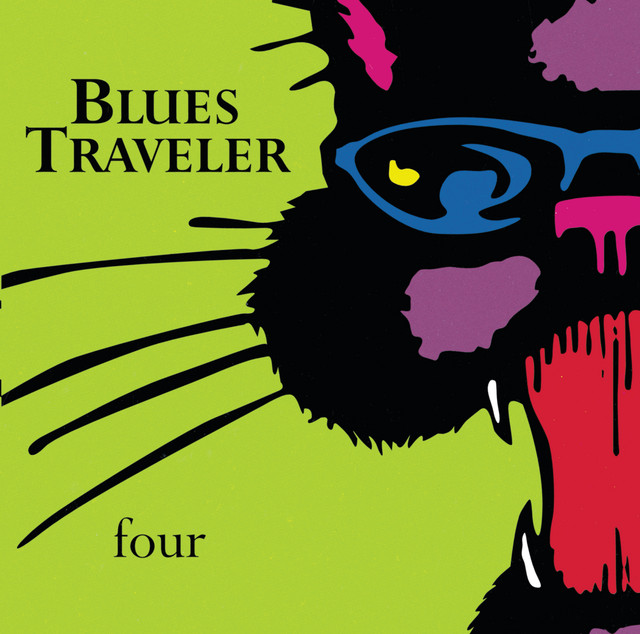
Released as part of four in 1994, the song became Blues Traveler's biggest hit and helped push the band into the mainstream. Facts about the release and album are widely documented by sources like AllMusic and Billboard. John Popper wrote the song, and that matters because its voice feels intensely personal: restless, funny, defensive, and vulnerable all at once.
The Heart of the Song Is Emotional Stalling
At the center of the track is a complaint about mixed signals. The narrator is not just sad; they are irritated by delay, half-truths, and emotional evasion. The chorus asks why someone would give them a run-around
when it only slow me down
. In plain terms, they feel trapped in a relationship pattern where nothing gets resolved.
That hook is catchy, but it also sharpens the theme. This is not only a song about rejection. It is about being kept in motion without getting anywhere. The other person may not be fully gone, but they are not fully present either.

Watch the official Run-Around
music video
A Voice Caught Between Cynicism and Hope
One of the strongest things in the lyric is its shifting tone. Early on, the narrator recalls a late-night memory and a painful conversation. They suspect dishonesty and even invite it in a bitter, self-aware way with tell me lies
. That line shows how exhausted they are. They would almost rather hear a comforting falsehood than sit with uncertainty.
Still, they do not give up. They continue imagining intimacy, asking for more than surface contact. When the lyric pushes past flirtation and asks for emotional access, it reveals the deeper wound: they do not just want attention. They want real connection.
What They Seem to Want Most
The song keeps circling back to three needs:
- honesty instead of performance
- emotional reciprocity instead of teasing distance
- movement instead of delay
That is why the frustration sounds so intense. They are not asking for a casual answer. They are asking whether the relationship is real.
The Imagery Feels Chaotic on Purpose
A lot of listeners remember the chorus first, but the verses are packed with unusual images. There are references to a game show, a magician, Hollywood, a pilot, and a waitress. On the surface, these details seem random. In context, they all point toward performance, illusion, and unstable control.
A game show contestant with a consolation prize suggests disappointment dressed up as entertainment. A nervous magician
points to tricks, misdirection, and fear of being exposed. Hollywood and movie rights hint that relationships can become theatrical, more about image than truth.
Interpretation: these images suggest the narrator feels stuck in a romance that has become a production. Everyone is playing a role, but no one is saying what they mean.
How the Chorus Reframes Everything
The chorus works because it translates all that verbal chaos into one sharp question. After the dense and funny verses, the refrain cuts through with a direct emotional truth. Why keep this cycle going? Why act like delay will somehow help?
Why you want to give me a run-around?
Is it a surefire way
to speed things up
when all it does is slow me down?
That is the song in miniature. The narrator sees the contradiction clearly. The other person may think distance, games, or postponement will make things easier, but it has the opposite effect.
The Sound Makes the Complaint Go Down Easy
Part of the meaning of Run-Around Blues Traveler comes from its musical contrast. The song sounds bright, fast, and open even while the words describe disappointment. Blues Traveler's mix of roots rock, jam-band looseness, and pop structure gives the track its appeal, with Popper's harmonica acting almost like a second voice. Basic credits and album details are reflected by sources such as Discogs and AllMusic.
That upbeat arrangement matters. The groove keeps the song moving, which mirrors the very cycle the lyric complains about. It spins and drives forward, yet emotionally the narrator is still stuck. Popper's delivery also helps: he sounds clever, rushed, and slightly exasperated, as if thinking faster than the relationship can keep up.
Why the Song Connected So Widely
The song became a major hit because its emotional problem is common. Many people know what it feels like to be kept waiting for clarity. But instead of presenting that pain in a slow ballad, Blues Traveler wrapped it in hooks, wordplay, and a radio-friendly bounce.
Interpretation: that balance is why the song lasts. It captures a mature kind of frustration, the kind where anger and affection still exist together. The narrator is annoyed, but they are also attached. They see the games clearly, yet they still hope for change.
The Lasting Meaning of 'Run-Around'
In the end, the meaning of Run-Around Blues Traveler is about emotional evasiveness and the damage it does. The song shows a person trying to laugh, reason, and charm their way through uncertainty while still asking for the one thing they cannot create alone: honesty from the other side.
That tension gives the song its staying power. It is catchy enough to feel effortless, but underneath it is a sharp portrait of love held back by indecision.
Disclaimer: This interpretation is based on the lyrics, recorded performance, and publicly known context. As with most songs, listeners may reasonably hear different meanings in it.








