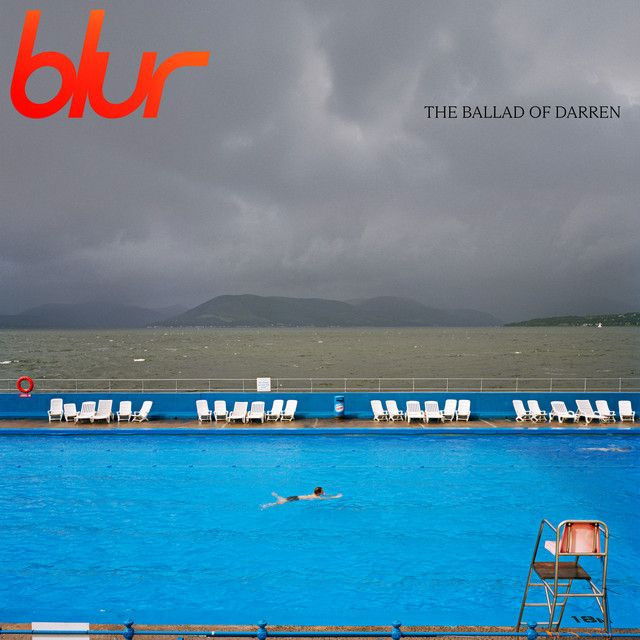
Shining a Light: Blur’s “The Narcissist” Explained
They returned in 2023 with a song about facing the mirror and refusing to flinch. Blur’s “The Narcissist,” the lead single from The Ballad of Darren, folds ego, temptation, and hard-won clarity into a luminous, mid-tempo swirl. If you’re searching for the meaning of The Narcissist Blur, think of it as a reckoning set to a hopeful pulse.
"The Narcissist" - Blur
So many people standing there
I walked towards them
Loading lyrics...
Unable to load lyrics
We're unable to display the lyrics at this time. Please try again later.
Facing the Self, Not the Spotlight
The opening images stack performance against intimacy. The narrator “looked in the mirror
” and steps into floodlights, hearing only distortion. That clash suggests how attention can warp identity. The lyrics then speak of finding an ego and a “transcendent” state, hinting at a spiritual or artistic breakthrough.
Interpretation: The song is not bragging. It’s about noticing how fame, love, and altered states magnify the self—and choosing to come back to center.
Who’s in the Frame? Voice and Addressee
The voice is first-person, addressing a counterpart who reflects energy back. The reference to Pierrot (the sad clown) and a “dark room” (where images develop) paints a dynamic: one emotes, the other processes. This isn’t a neat love song; it’s about how two people can become mirrors, each projecting and absorbing.
In that context, the chorus pivots from exposure to resolve: they will “shine a light
,” expect it reflected, and still hold their ground. The figure shining back could be a lover, the crowd, or the narrator’s own echo.
A Clear Read: The Meaning of The Narcissist Blur
At its heart, the song is about choosing awareness over collapse. When the hook arrives, it refuses old patterns: “won’t fall this time
” and “heed the signs
.” The move from distortion to signal is the point. The title teases self-obsession, but the act of seeing through it is the real twist.
Interpretation: The “narcissist” is the ego under pressure—hungry for attention, high, or validation. The narrator studies it like a photograph developing, then steps back before the image consumes them.
The Chorus as Turning Point
I’ma shine a light in your eyes
You’ll probably shine it back on me
Those two lines dramatize the cycle of glare and reflection. The promise that follows—refusing to “fall” and obeying signs—recasts the feedback loop as a test of balance. It’s not a victory lap; it’s a careful boundary.
Symbols That Do the Heavy Lifting
- Mirror and floodlights: Self-study versus public exposure. Mirrors invite honesty; lights create glare and pose.
- Pierrot and dark room: Performance meets processing. Feelings on display are developed into lasting images—sometimes painfully.
- Solstice and service station: A hinge in time and a literal stop on the road. They suggest transition and maintenance.
- White horses and acid: Mythic landscape and altered perception. Together, they imply temptation and the rush that “quickened” the heart.
- Waves and valleys “connect us to love”: Nature as a reset button, briefly soothing the nervous system.
- The warning “
If you see darkness, look away
”: A harm-reduction mantra. The narrator sets a rule to avoid spirals.
How the Sound Carries the Confession
Graham Coxon’s chiming arpeggios and Dave Rowntree’s steady, motorik-leaning pulse create forward motion without panic. Damon Albarn’s vocal sits intimate but clear, with layered harmonies lifting the chorus from grit to glow. James Ford’s production keeps edges smooth yet detailed, letting bass and synths hum underneath like a bloodstream.
The arrangement mirrors the lyric arc: verses feel slightly clouded, then the chorus widens. Instead of crashing catharsis, the band opts for measured ascent—confidence learned the slow way.
Timelines and Temptations: What Happens Here
- They face themselves under bright lights and hear noise instead of truth.
- They recall a road moment—solstice timing, a pit stop, a dose that tilts the world—then the pull becomes “addiction.”
- They set a boundary: light will meet light, but they won’t go over the edge this time.
Interpretation: This reads like a memory of nearly losing balance to substances, toxic love, or feedback fame, and deciding to walk away at the brink.
Alternate Readings That Still Fit
- Addiction lens: The rush, the rule to look away from darkness, and the line about not falling suggest recovery language.
- Fame/ego lens: Floodlights, mirrors, and echo point to stardom’s hall of mirrors. The narrator claims agency within it.
- Relationship lens: Two performers in one love—one exposed, one processing—learning not to reenact the same wound.
None of these cancel the others; the song welcomes overlap.
Takeaway: Choosing Signal Over Noise
Blur turn a self-portrait into a guide for staying upright. By the end, the narrator doesn’t abolish the ego; they manage it. That’s why the refrain lands: resolve is not loud, but it lasts.
Disclaimer: Interpretations are subjective. This reading reflects lyrical and musical cues, not definitive artist intent.








