Why '30' Turns a Birthday Into a Meltdown
Bo Burnham’s "30" sounds like a comedy song about a birthday, but the meaning of 30 Bo Burnham runs deeper than one joke. It captures the moment when aging stops feeling abstract and starts feeling personal.
"30" - Bo Burnham
I used to ride my bike
I used to wake up with a smile
Loading lyrics...
Unable to load lyrics
We're unable to display the lyrics at this time. Please try again later.
In a few fast minutes, Burnham turns turning thirty into a crisis about time, identity, and whether adulthood has matched the promise of youth. The result is funny, sharp, and a little sad.
A Panic Song Hiding Inside a Pop Joke
At its core, "30" is about the fear of crossing a line that society treats as important. The speaker looks back at younger years with pride and nostalgia, then hits the wall of the present: turning thirty
becomes less a fact than a repeated alarm.
Interpretation: The song is not really saying thirty is old. It is showing how cultural pressure can make a normal birthday feel like evidence that time is running out. Burnham exaggerates that panic for comedy, but the feeling underneath is recognizable.
The opening memories of being energetic and hopeful set up that loss. When the song moves from old routines to the shock of age, it frames thirty as the end of one self-image: the person who still thinks of themselves as young by default.

Watch the official 30
music video
From Young Insider to Aging Outsider
One of the song’s smartest ideas is generational whiplash. Burnham jokes that he once stood out for being born in 1990, then suddenly feels displaced by younger people. That shift gives the song a social meaning, not just a personal one.
He goes from mocking older generations to sounding like them. The line about being out of touch
matters because it shows the trap: everyone laughs at aging until they become the one being laughed at.
Interpretation: The song suggests that generational identity is unstable. Youth feels permanent while they have it, but culture always moves on. Burnham makes that realization sting by making it ridiculous.
The Funniest Lines Carry the Most Dread
The song keeps escalating through comparison. One of the clearest examples is the contrast between his grandfather’s war story and his own smaller life milestone, summed up in built a birdhouse with my mom
. The joke lands because the comparison is unfair, but that is exactly how insecurity works.
Instead of measuring life by what is meaningful, the speaker measures it by what sounds impressive. That turns ordinary, even sweet experiences into proof of failure.
Then the song widens into social anxiety. Friends are having families. Younger people are replacing him in the cultural spotlight. Time is not just passing; it is reorganizing the world around him.
Why the Chorus Feels Like a Spiral
Musically, "30" is bright, bouncy, and extremely catchy. That matters. Burnham often pairs cheerful production with uncomfortable ideas, and here the polished pop structure makes the panic feel even more trapped.
The hook repeats turning thirty
so many times that it stops sounding like information and starts sounding like obsession. The song behaves like an anxious thought loop.
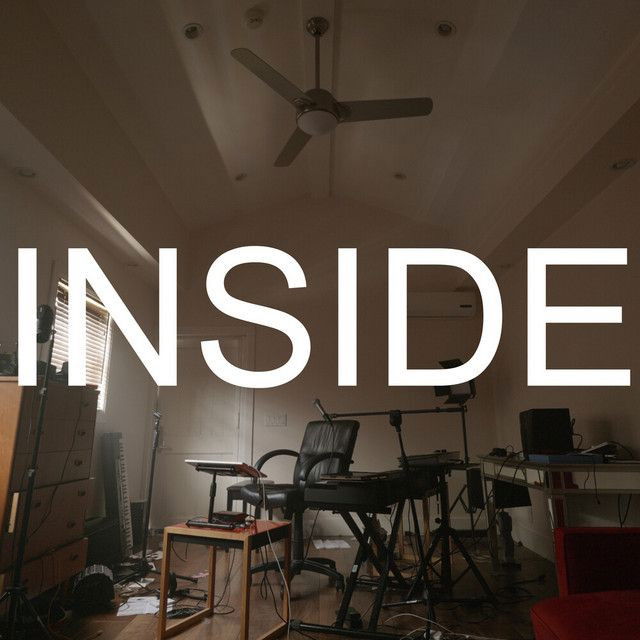
This approach fits Inside, Burnham’s 2021 Netflix special and album, which he wrote, performed, shot, and edited largely by himself during the pandemic, according to Netflix. "30" sits inside a project shaped by isolation, self-surveillance, and mental strain, which gives the birthday panic a larger emotional frame.
Context Matters: Inside, 2020, and Self-Awareness
The lyric It’s 2020, and I’m thirty
ties the song to a year already loaded with fear and disruption. That context makes the milestone feel worse. A person hitting thirty in a normal year might feel reflective; hitting thirty during lockdown can feel surreal.
Burnham was born in 1990, a fact also played for laughs in the song, and "30" arrived on Inside (The Songs) in 2021 through the special’s release cycle, as documented by Netflix Tudum. Those facts do not prove every line is literal, but they show why the song feels close to his public persona.
Interpretation: The song is best heard as a performed version of real anxiety. Burnham is not simply confessing; he is shaping dread into a comic character who is both him and a heightened sketch of him.
One Dark Turn Changes the Whole Song
Near the end, the humor sharpens into something darker:
2030, I’ll be forty
and kill myself then
This moment is brief, but it matters. It reveals that the song’s panic is not only about vanity. Beneath the jokes is a mind jumping from ordinary fear to catastrophic thinking.
That does not mean the line should be read as a literal statement of intent. In context, it functions as escalation and dark comedy. Still, it changes the emotional temperature by showing how quickly jokes about age can connect to despair.
So What Is the Song Really Saying?
The best answer is that "30" is about the humiliation of realizing life keeps moving whether they feel ready or not. It mocks age panic while also admitting how powerful it can be.
For listeners searching for the meaning of 30 Bo Burnham, the song works because it holds two truths at once:
- Thirty is not old.
- Turning thirty can still feel devastating.
That tension is the whole point. Burnham turns a cultural milestone into a comic breakdown, then uses that breakdown to talk about relevance, accomplishment, loneliness, and fear.
Disclaimer: This interpretation is based on the song’s lyrics, performance, and public context. As with any artwork, some meanings remain open to listener interpretation.









