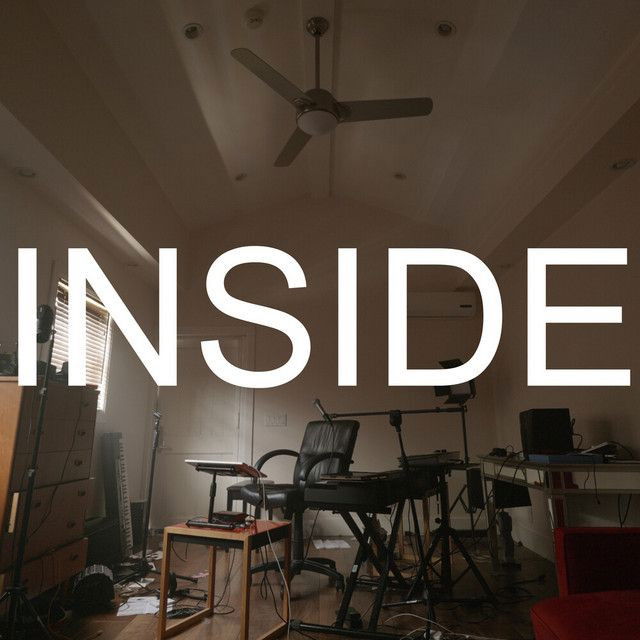
All Eyes On Me by Bo Burnham
Why This Song Hits So Hard
The meaning of All Eyes On Me Bo Burnham starts with a contradiction: the song sounds like a command to a crowd, but it feels like a confession. In Inside, Bo Burnham performs alone in one room, yet this track acts like he is in front of thousands. That gap is the point.
"All Eyes On Me" - Bo Burnham
Get on out of your seats
All eyes on me, all eyes on me
Loading lyrics...
Unable to load lyrics
We're unable to display the lyrics at this time. Please try again later.
Factually, the song appears in Bo Burnham: Inside and on Inside (The Songs), released in 2021. It was written and produced by Burnham, and it later won the Grammy for Best Song Written for Visual Media, according to the Recording Academy and the song’s release history summarized by Wikipedia.
At its core, the song is about performance anxiety, the need for attention, and the strange emptiness of trying to connect during a crisis. Burnham turns the language of a live show into something more unstable. When he pushes the crowd with All eyes on me
, it does not sound triumphant for long. It sounds needy, desperate, and maybe scared.

Watch the official All Eyes On Me
music video
A Stage Command That Turns Into a Plea
One reason the song lands so strongly is that Burnham blurs the line between host and patient, star and person in trouble. He starts with hype-man energy, telling the audience to move and respond. But the repeated commands feel less like celebration and more like control.
That is why the phrase pray for me
matters so much. It changes the mood. Instead of simply enjoying attention, the speaker seems to need spiritual or emotional rescue.
Interpretation: the song presents fame and performance as both addictive and damaging. The same spotlight that validates a performer can also break them.
The Spoken Break Changes Everything
The most direct key to the song’s meaning comes in the spoken interlude, included in the Inside version but removed from the shorter single edit. Burnham explains that he quit live comedy after severe panic attacks onstage and spent years trying to improve his mental health. Then, just as he felt ready to return in early 2020, the pandemic arrived. This basic context is widely documented in coverage of the special and the song’s background on Wikipedia.
That section makes the song more than a moody dance track. It becomes a story about someone preparing to re-enter the world and then getting trapped inside again.
Are you feeling nervous?
Are you having fun?
Those short questions sum up the whole piece. They frame entertainment as something close to panic. The audience is asked if they are okay, but the question reflects back on the performer too.
The World Outside Feels Broken Too
The song is not only about Burnham’s private struggles. It also reaches toward collective dread. When he references rising water and the sense that everything is already ruined, he folds climate anxiety, social collapse, and pandemic exhaustion into the performance.
The key idea is not that one event caused all this fear. It is that the world already felt unstable, and the pandemic exposed it. A short phrase like the water's fine
sounds welcoming on the surface, but in context it feels eerie. He invites people in while hinting that the situation is dangerous.
Interpretation: this is part seduction, part surrender. The song suggests that modern life often asks people to dance through disaster instead of fixing it.
How the Sound Carries the Meaning
Production is a huge part of why the song works. It uses a pulsing synth-pop style with heavy bass, echo, and vocal effects. The beat feels like a club track, but the atmosphere is cold and dreamlike. According to published credits, Burnham handled the writing and production himself, with John Greenham credited for mastering and Mike Malchicoff for recording, as listed on Wikipedia.
That glossy sound matters because it creates emotional conflict. A danceable groove usually invites release. Here, it traps the listener inside a loop. Even the lowered voice in parts of the chorus makes the song feel less human, as if the performer is splitting into different selves.
This is why lines like don't overthink this
feel suspicious. The song is built to make overthinking unavoidable. The music says “lose yourself,” while the words hint that something is deeply wrong.
Why the Chorus Feels So Uncomfortable
The chorus repeats simple commands, but repetition changes their meaning. At first, get your hands up
sounds like a standard concert line. After a while, it feels coercive. The listener is not just invited to join the show; they are absorbed into it.
This fits Inside as a whole. The special keeps asking what performance means when there is no real audience in the room. Burnham creates applause, lighting, and spectacle by himself. So when he begs for total attention, the moment feels both grand and painfully empty.
Interpretation: the chorus may be mocking the idea that performance can save anyone. It creates a rush, but not relief.
Final Take on the Song's Meaning
The meaning of All Eyes On Me Bo Burnham is about more than stage fright. It is about the need to be seen in a world that leaves people isolated, overstimulated, and afraid. Burnham stages that conflict through commands, confession, and a beat that feels both ecstatic and haunted.
That is why the song lasts. It captures what it feels like to crave connection while also fearing exposure. In Burnham’s hands, a performance anthem becomes a portrait of collapse.
Disclaimer: This article offers interpretation based on the song, the special, and documented context. Like all art, the track can support more than one valid reading.








