
Why Bo Burnham Made "Bezos I" So Brutal
The meaning of Bezos I Bo Burnham comes down to one sharp idea: this is not a tribute to Jeff Bezos, but a satire of the way modern culture treats billionaires like superheroes.
"Bezos I" - Bo Burnham
Born in 1964
Jeffrey
Loading lyrics...
Unable to load lyrics
We're unable to display the lyrics at this time. Please try again later.
Bo Burnham built the song as a tiny burst of praise that quickly turns ugly and absurd. That shift matters. It shows how admiration for wealth can slide into worship, competition, and cruelty. In less than a minute, they turn a simple joke into a comment on capitalism, celebrity, and internet-age hero-making.
A Tiny Song With a Big Target
“Bezos I” appears in Inside, Burnham’s 2021 Netflix special, a project they wrote, filmed, and performed alone during the pandemic era. Netflix identifies Inside as a comedy special and musical work, and its songs often mix humor with social criticism. That context helps explain why this track feels so compact and pointed.
At first, the song sounds like a pump-up anthem. It opens with business-card facts like CEO, entrepreneur
and Born in 1964
. Those lines are funny because they reduce a giant public figure to a flat intro, almost like a cheap commercial or a children’s chant.
That flattening is the joke. Burnham is showing how public language around billionaires often sounds simple, polished, and mythic, even when the realities behind wealth and labor are much more complex.
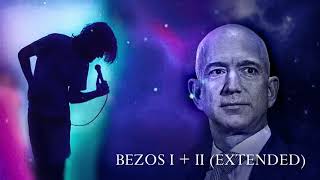
Watch the official Bezos I
music video
How the Lyrics Turn Praise Into Satire
The song’s central trick is escalation. It starts with basic admiration, then pushes that admiration so far that it becomes obviously ridiculous.
When the voice says Come on, Jeffrey
, it sounds supportive and goofy. The next phrases, including Pave the way
and Show us how
, parody the language used for inspirational leaders. In plain terms, the speaker acts as if Bezos is a visionary guide for the whole world.
Interpretation: Burnham is mocking the idea that extreme wealth automatically proves wisdom or moral greatness. The song suggests that business success is often sold to the public as a form of destiny.
That joke gets darker near the end. The references to other billionaires, followed by the crude attack language, expose the ugliness hiding under polished success stories. The song stops sounding like motivation and starts sounding like a battle chant.
That change is important. Burnham seems to be saying that when culture worships winners at any cost, it can turn ruthless very fast.
The Voice They Use Matters
Even though the song addresses Bezos directly, the performance feels like a crowd chant or hype squad. That gives the lyrics a public feeling. It is not just one person admiring a billionaire; it sounds like society cheering him on.
This is where the meaning of Bezos I Bo Burnham gets sharper. The target is not only Bezos as an individual. It is also the wider culture that celebrates people like him with near-religious energy.
A Chorus of Empty Admiration
The repeated use of Jeffrey Bezos
works like branding. They keep saying the name until it sounds less like a person and more like a product, logo, or slogan.
Interpretation: Burnham may be hinting that fame and capitalism turn human beings into symbols. In this case, Bezos becomes a symbol of scale, ambition, and winner-take-all success.
Why the Production Sounds So Effective
Part of the song’s bite comes from its sound. The beat is stripped down, punchy, and catchy. It feels like a miniature stadium anthem mixed with a novelty jingle.
That contrast helps the satire land. The production is fun enough to make listeners laugh, but forceful enough to feel a little menacing. Burnham often uses upbeat music to carry uncomfortable ideas, and this song is a clean example of that technique in Inside.
The vocal delivery also matters. They sound committed, not casual. That intense seriousness makes the absurdity funnier. If the performance were too wink-heavy, the joke would be weaker. Instead, Burnham performs the praise almost straight, which lets the words expose themselves.
Inside the Bigger Themes of Inside
Within Inside, “Bezos I” fits a larger pattern. Burnham keeps returning to performance, online culture, and the strange emotional life of modern capitalism. Across the special, they question what people consume, who they admire, and how entertainment shapes belief.
“Bezos I” connects to that by acting like a polished little piece of hype content. It sounds like the kind of thing the internet could clip, remix, and spread in seconds. That makes it feel native to the world Burnham is criticizing.
In other words, the song does not just mock billionaire culture. It also mocks the media systems that package power as fun, catchy, and shareable.
Final Reading: Funny, Then Nasty, Then Clear
The best way to understand the meaning of Bezos I Bo Burnham is to hear it as a joke with teeth. It starts with playful flattery, then reveals the violence and emptiness inside success worship.
The song is funny because it is exaggerated. It is memorable because that exaggeration points to something real: the way American culture often treats the ultra-rich as inspirational myths instead of complicated, powerful people.
That is why the track still sticks. It is not just about Jeff Bezos. It is about the language of power, the theater of ambition, and the strange urge to cheer for people who already have everything.
A Brief Note on Interpretation
This reading separates documented context from interpretation. Burnham wrote the song and performed it in Inside, but any deeper meaning beyond that involves analysis rather than a confirmed statement of intent.








