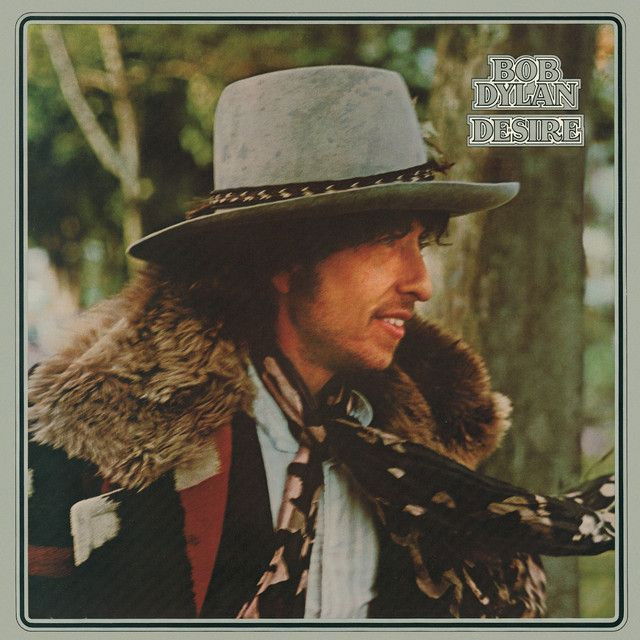
Isis by Bob Dylan
The meaning of Isis Bob Dylan starts with a simple idea and then turns strange, funny, and haunting. On the surface, it is a story song about a husband who leaves, chases a grand adventure, gets fooled, and comes home. But the deeper power of “Isis” is that the journey feels less like a treasure hunt than a lesson about love, pride, and growing up.
"Isis" - Bob Dylan
But I could not hold on to her very long
So I cut off my hair and I rode straight away
Loading lyrics...
Unable to load lyrics
We're unable to display the lyrics at this time. Please try again later.
Bob Dylan even introduced it in performance as a song “about marriage,” a detail noted in accounts of the Rolling Thunder Revue. That helps ground the song. For all its icy pyramids and dreamlike turns, this is still about two people trying to find each other again.
The Marriage Story Beneath the Adventure
Factually, “Isis” was written by Bob Dylan and Jacques Levy in 1975 and released on Desire in 1976. It is an all-verse ballad, with no true chorus, so the story keeps moving forward instead of circling one idea.
At the start, the narrator marries Isis, then quickly leaves for the wild unknown country
. That matters because the departure feels emotional before it feels physical. They cannot stay still inside the marriage, so they run.
Interpretation: Isis seems to represent more than one thing at once. She is a wife, obviously, but also a symbol of emotional truth. The narrator may leave home, yet every step of the quest pushes them back toward what they were trying to escape.

Watch the official Isis
music video
A Plot That Moves Like a Dream
The narrative works in clear stages, even though the images are surreal:
- They marry Isis and separate almost at once.
- They meet a mysterious stranger who offers a risky job.
- They travel north chasing riches and meaning.
- They reach frozen pyramids and find an empty reward.
- They return to Isis changed by failure.
The middle of the song is built on greed and fantasy. The narrator admits thinking about turquoise
, gold, and diamonds. In other words, they are distracted by fantasy wealth while also remembering Isis and her warning that they were reckless.
That split is the key to the whole song: outward adventure, inward confusion.
The Symbols That Make “Isis” So Rich
Dylan and Levy fill the song with images that feel ancient and psychological at the same time. The town divided between darkness and light suggests a moral crossroads. The stranger in the laundry feels like a trickster figure, someone who offers a shortcut. The frozen pyramids turn old glory into a dead end.
One of the song’s sharpest twists comes when the narrator realizes the casket was empty
. The promised prize does not exist. That moment collapses the fantasy. The whole trip has been driven by projection.
Interpretation: The empty tomb suggests that the narrator’s quest was never really about treasure. It was about testing identity. They leave marriage chasing freedom, danger, and self-definition, only to learn that those things mean little if they are built on illusion.
Isis as Woman, Muse, and Myth
The title also invites a mythic reading. Isis is the name of the Egyptian goddess linked with love, magic, and restoration, though the song does not retell the myth directly. Instead, it borrows that aura. The name makes the wife feel bigger than an ordinary character.
That is why the closing address, mystical child
, lands so hard. The narrator returns not just to a spouse but to a force they do not fully understand. They are drawn to her and unsettled by her at the same time.
What drives me to you
is what drives me insane
Those lines sum up the emotional knot. Love is not presented as calm or neat. It is magnetic, irrational, and hard to master.
How the Music Carries the Meaning
Part of the meaning of Isis Bob Dylan comes from sound, not just words. According to song documentation, the studio version was recorded on July 31, 1975, produced by Don DeVito, and built around piano, bass, drums, and Scarlet Rivera’s violin on Desire.
The arrangement matters. The song moves in a moderately fast 3/4 pulse, giving it the sway of a folk ballad but the drive of a chase scene. Dylan’s piano keeps the structure steady while Rivera’s violin adds tension, wind, and mystery. Her playing makes the icy landscapes feel alive.
Dylan’s vocal also helps the meaning. They sing the story with urgency, humor, and rough tenderness. That mix keeps the song from becoming too solemn. Even in the darkest scenes, there is a human, almost amused awareness that the narrator has made a mess of things.
Artist Context Makes the Song Hit Harder
“Isis” arrived during a period when listeners often heard Dylan’s work through the lens of marriage and separation. Since Desire also includes openly personal material like “Sara,” many critics have connected “Isis” to the emotional climate of Dylan’s own life, though the song remains fictionalized and theatrical.
Jacques Levy reportedly said the piece began as a slow dirge before becoming the vivid story listeners know. That makes sense. The final version still carries grief under its momentum.
Interpretation: The song may be less a confession than a myth about marriage: one partner leaves to discover the world, only to learn that the real mystery was waiting at home.
Why the Ending Feels Earned
When Isis asks if the narrator will stay, the answer is simple: yes, if she wants them to. After all the wild images, that plain exchange is moving because it rejects grandeur. The song ends not with treasure, power, or revelation, but with consent, humility, and return.
That is why “Isis” lasts. It turns a bizarre adventure into a clear emotional truth: some people leave love to prove themselves, then come back knowing love was the hard test all along.
Disclaimer: This article offers interpretation based on the song, documented context, and performance history. Meanings can vary from listener to listener.








