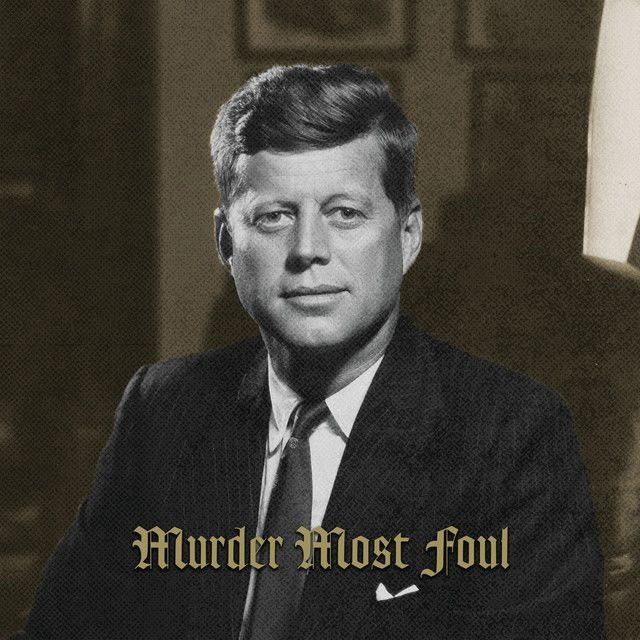
Murder Most Foul by Bob Dylan
A National Wound Turned Into a Song
The meaning of Murder Most Foul Bob Dylan starts with one shocking event: the assassination of President John F. Kennedy. But the song does not stay inside a history lesson. Dylan uses that murder as the breaking point where American innocence, trust, and public feeling seem to split apart.
"Murder Most Foul" - Bob Dylan
A day that will live on in infamy
President Kennedy was a-ridin' high
Loading lyrics...
Unable to load lyrics
We're unable to display the lyrics at this time. Please try again later.
Released in March 2020 as the lead single from Rough and Rowdy Ways, the track arrived during the first COVID lockdowns. That timing mattered. Many listeners heard it not just as a song about 1963, but as a meditation on how a country lives through collective trauma.
Dylan himself told The New York Times that the song is “about a crime, not a politician.” That brief comment helps frame the piece. The focus is less on policy or biography than on violence, myth, memory, and what follows after a nation sees something it cannot fully absorb.

Watch the official Murder Most Foul
music video
More Than JFK, Less Than a Conspiracy Manual
On the surface, the story begins in Dallas in November 1963. Dylan gives the event a blunt, ugly force. Phrases like dark day in Dallas
and murder most foul
make the killing sound both historical and almost biblical.
Interpretation: They seem to present the assassination as a ritual wound in American life, not only a criminal act. The title itself comes from Hamlet, which adds the feel of corruption, ghosts, and unfinished truth.
The lyrics also keep circling uncertainty. Dylan mentions Oswald, Ruby, the Grassy Knoll, and the idea that people watched yet failed to understand what they saw. That does not mean the song is simply arguing one theory. Instead, it captures the atmosphere that grew around the event: doubt, spectacle, rumor, and the sense that truth got buried under performance.
The soul of a nationbeen torn away
Those lines sum up the song’s emotional argument. The assassination matters because it becomes the moment when national faith starts to rot.
How the Song Moves Through History
The first half is narrative. It walks through the murder, the aftermath, and the public confusion around it. Then the song opens up into a huge chain of references to songs, singers, films, radio voices, and places.
That second half can seem strange at first. Why move from Kennedy to Wolfman Jack, Etta James, the Beatles, and dozens of other names?
A simple answer is that Dylan is building a map of American memory. After violence, culture becomes a shelter. When the world stops making sense, people reach for records, movies, radio, and shared language.
Interpretation: The long playlist section is not random. It acts like a healing ritual. The repeated command to play me a song
suggests that art cannot undo the crime, but it can carry people through the pain.
The Real Power of the Refrain
The refrain murder most foul
returns at key points like a tolling bell. Each time, it resets the song. No matter how many references pile up, the murder remains the center.
That repetition also changes in meaning. At first it points to Kennedy’s death. Later, it starts to describe something larger: the decay of trust, the rise of spectacle, and the way America can turn trauma into media and mythology.
This is why the song feels so heavy without ever becoming loud. Dylan is less interested in solving the crime than in showing its afterlife.
Sound, Arrangement, and Why It Feels Haunted
The production is crucial to the meaning of Murder Most Foul Bob Dylan. At nearly 17 minutes, it is Dylan’s longest officially released song. Yet it does not feel built for drama in the usual way. There is no crashing chorus or big instrumental release.
Instead, the arrangement is sparse and drifting: piano, organ, light percussion, and a soft, elegiac backdrop. Reports on the session note piano contributions from Fiona Apple and Alan Pasqua, with Benmont Tench on organ. The result feels suspended in air, almost like a half-remembered broadcast from another era.
Dylan’s voice matters just as much. He does not sing with urgency so much as endurance. They sound like someone reciting a national nightmare that has been replayed too many times to count.
Interpretation: That near-spoken delivery makes the song feel part prayer, part witness statement, part late-night radio monologue.
Culture as Comfort, Culture as Evidence
One of the most compelling things about the song is how it treats popular culture. The references are not only decoration. They serve two jobs at once:
- They show the sheer range of American memory.
- They suggest music can outlast violence.
- They turn listening itself into an act of mourning.
Critics noticed this quickly. Rolling Stone argued that the song is really about music’s power to comfort people in times of national trauma. That reading fits the ending, where Dylan keeps asking for songs instead of answers.
So when he reaches for radio, blues, jazz, rock, standards, and film, they are not escaping history. They are surviving it.
Why the Song Still Lands So Hard
Part of the song’s power comes from timing. It appeared without warning in early 2020, when Americans were already frightened, isolated, and unsure of what kind of country they were living in. A song about old trauma suddenly sounded current.
It also helps that Dylan refuses neat closure. They do not offer a tidy moral or final explanation. The song leaves listeners with broken trust, scattered cultural memory, and the stubborn human need to keep listening.
In that sense, the meaning of Murder Most Foul Bob Dylan is both specific and broad. It is about JFK, but also about what happens when a society loses its center and turns to art to remember itself.
Final Take on Dylan’s Long Elegy
“Murder Most Foul” works as an elegy for a president, a lament for a damaged nation, and a tribute to the records and voices that help people endure history. Its greatness lies in that mix of horror and consolation.
Disclaimer: This interpretation separates documented context from critical reading. As with many Dylan songs, some meanings remain open, and reasonable listeners may hear different emphases.







