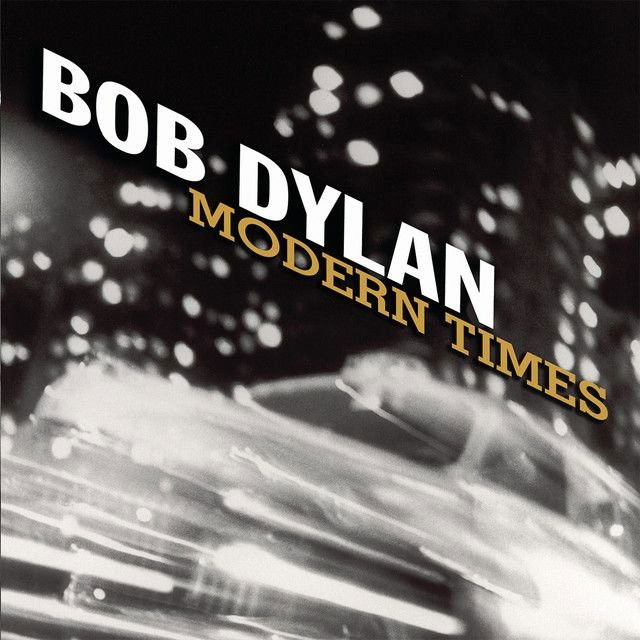
Workingman's Blues #2 by Bob Dylan
Why This Song Still Hits Hard
The meaning of Workingman's Blues #2 Bob Dylan starts with a simple idea: this is a song about pressure, dignity, and endurance. It speaks in the voice of someone battered by money trouble, social decline, and private loneliness, yet still trying to hold onto love and self-respect.
"Workingman's Blues #2" - Bob Dylan
Starlight by the edge of the creek
The buyin' power of the proletariat's gone down
Loading lyrics...
Unable to load lyrics
We're unable to display the lyrics at this time. Please try again later.
Released on Modern Times in 2006, the song arrived decades after Dylan first became linked with protest music. But this is not a slogan song. Instead, it mixes labor politics with heartbreak, memory, and spiritual fatigue. That blend is what gives it such depth.

Watch the official Workingman's Blues #2
music video
A Worker’s Complaint and a Love Song
At the surface, the song describes a world where wages are low, buying power has fallen, and ordinary people are asked to suffer for global competition. The opening frames that clearly with the phrase buyin' power of the proletariat
. Dylan puts economic language next to soft evening imagery, showing that hard systems invade even the most human spaces.
But the song does not stay in public life alone. Again and again, the speaker turns toward one absent or damaged relationship. He says the other person is dearer to me than myself
, which shifts the song from class struggle into emotional dependence. The result is powerful: the worker is not just underpaid. He is also wounded, needy, and afraid of being forgotten.
Interpretation: Dylan seems to argue that economic pain and personal pain do not live in separate boxes. They reinforce each other. When work loses value, the self can feel less secure too.
How the Verses Build a Worn-Out World
Several verses show a life under siege. The speaker fights hunger, hears danger gathering, and imagines enemies all around. Even home is unstable. One of the song’s strangest images is domestic and uncomfortable at once:
I sleep in the kitchen
with my feet in the hall
This picture suggests overcrowding, dislocation, or a life that no longer fits together. The next line compares sleep to a temporary death, pushing the song toward exhaustion rather than rest.
Other lines move into anger and threat. The speaker talks tough, but the fury often sounds defensive, like someone trying to talk back against power because little else is left. That matters. Dylan’s narrator is not a clean hero. He is bitter, proud, loving, and unstable at the same time.
The Chorus Turns Misery into Solidarity
The chorus is where the song opens outward. When the speaker says Meet me at the bottom
, he invites others into a shared low place. "Bottom" means poverty, defeat, or social rank. It is also where truth begins, because no one can pretend from there.
Then comes the call to fight your best on the frontline
. That line gives the song its public charge. The worker is not only surviving; he is being asked to choose between hanging back and joining a struggle.
The title phrase matters too. By singing these "workingman's blues," Dylan links private sorrow with a larger tradition of labor songs, especially Merle Haggard's older hit. Critics have often called this piece a kind of sequel, and even the title points that way. Yet Dylan's version is more haunted, literary, and inward.
Sound, Structure, and Why It Feels So Heavy
Musically, the song is gentle, even elegant. According to Wikipedia, it was recorded in February 2006 at Clinton Recording in New York and released later that year on Modern Times. Though the title says "blues," the song is closer to a folk ballad, and commentators have noted its descending pattern and resemblance to the chord movement of Pachelbel's Canon.
That matters because the music does not stomp or shout. It glides. The band gives Dylan a soft bed of guitar, bass, drums, piano, and especially steel guitar, which adds ache without melodrama. His vocal sounds weathered and close-miked, like someone talking through the end of a long day.
This contrast is central to the song’s meaning. The arrangement is calm, but the lyrics are unsettled. That tension mirrors the worker’s life: outwardly steady, inwardly near collapse.
References, Echoes, and Dylan’s Larger Project
The song also gains power from Dylan’s habit of weaving older texts into new writing. Scholars and critics have traced echoes of Merle Haggard, older blues and folk songs, and even Ovid. Those links do not make the song less original. They make it feel communal, as if this speaker carries centuries of complaint and longing inside one voice.
That helps explain why the song has been so admired. It was ranked highly by several critics, and Dylan performed it hundreds of times live between 2006 and 2018. The reception suggests that listeners heard more than a period piece. They heard a durable account of what it feels like to be useful, discarded, and still stubbornly alive.
The Best Way to Read Its Ending
Late in the song, the speaker is bruised, alone, and still hoping for renewal. He imagines a "brand new suit" and "brand new wife," images that sound both sincere and fragile. Then he lands on a cutting observation: some people never worked and do not know what work means.
That final thought sharpens the whole song. It is not envy alone. It is moral criticism. Dylan contrasts lived labor with detached privilege. The worker may be hurting, but he still claims a kind of knowledge the comfortable lack.
What Workingman's Blues #2 Means
In the end, the meaning of Workingman's Blues #2 Bob Dylan is not just about economics. It is about what happens when labor loses honor, when love grows uncertain, and when a person tries to remain human under all that weight. The song’s genius is that it never reduces that struggle to one message.
Interpretation: It can be heard as a worker’s lament, a bruised love song, and a quiet warning about class division all at once.
That layered quality is why the song lasts. It aches for one person, speaks for many, and never fully separates the two.
Disclaimer: Song meaning is always part fact, part interpretation. Dylan’s writing invites multiple readings, and reasonable listeners may hear different emotional centers in the same lines.







