Why "Jamming" Is Bob Marley's Joyful Protest
The meaning of Jamming Bob Marley & The Wailers starts with a word that sounds casual. On the surface, “jamming” suggests fun, music, and a shared groove. But in Bob Marley’s hands, it becomes bigger than a party song. They turn communal pleasure into a statement about freedom, dignity, and survival.
"Jamming" - Bob Marley & The Wailers
We're jammin'
I wanna jam it with you
Loading lyrics...
Unable to load lyrics
We're unable to display the lyrics at this time. Please try again later.
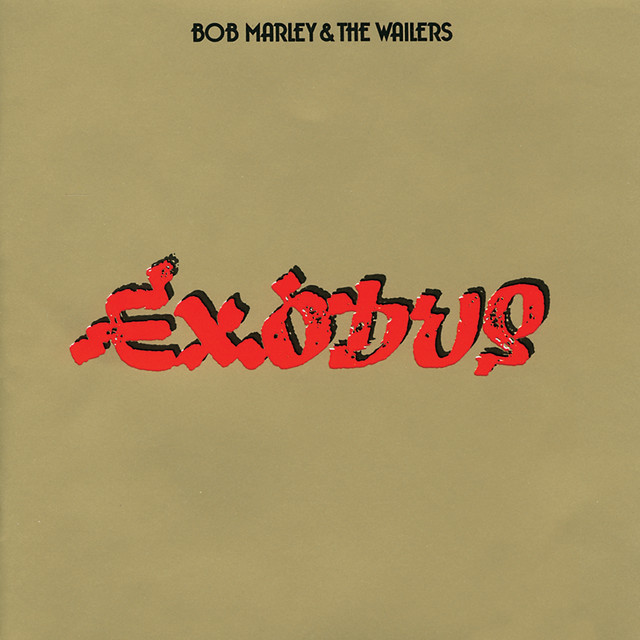
Released on the 1977 album Exodus, the song arrived during one of the most turbulent periods of Marley’s life and Jamaica’s politics. That context matters. The song feels warm and open, yet it also carries the pressure of violence, exile, and spiritual resolve. They are not only inviting listeners to dance. They are inviting them to stand together.
More Than a Good Time
At its core, the song is about unity through music. The repeated hook, We're jammin'
, works like a call to gather. It sounds simple, but the verses explain that this gathering has purpose. It is not escape for escape’s sake. It is a way to endure hard times without losing hope.
One key line, everyday we pay the price
, shifts the mood. Marley reminds listeners that ordinary life under injustice has a cost. The next idea, living sacrifice
, suggests that people are already giving parts of themselves just to get through the day. In that light, jamming becomes a form of release, but also a form of witness.
Interpretation: They present music as both celebration and resistance. The song says joy is not trivial; joy can be an answer to fear.
The Chorus Turns Community Into Principle
The chorus keeps returning, and that repetition matters. Pop songs often repeat a phrase because it is catchy. Here, repetition also builds a shared space. Each return to I wanna jam it with you
broadens the message from one person to a whole crowd.
There is also a spiritual layer. Marley sings about jamming in the name of the Lord
, linking the act of gathering to Rastafarian faith. That means the song is not only social. It carries moral force. They frame togetherness as something sacred, not just pleasurable.
No bullet can stop us now
we neither beg nor bow
This is the article’s clearest statement of defiance. The idea is simple: violence may threaten the body, but it does not have to conquer the spirit. By placing these words inside such an upbeat song, Marley creates a striking contrast. The track dances, but it refuses surrender.
How the Verses Build a Political Meaning
The meaning of Jamming Bob Marley & The Wailers becomes sharper in the second verse. That is where the song moves beyond good vibes and names pressure directly. Bullets, buying, selling, begging, and bowing all point to systems of force and control.
Instead of answering those forces with despair, Marley answers with solidarity. The line about defending rights and children uniting pushes the song toward collective action. They are not singing about private happiness. They are singing about a people staying human under pressure.
This message fits Marley’s wider work. Songs across his catalog tied spiritual belief to social justice, especially in the years around Exodus. Critics and fans often hear that album as a turning point where exile, politics, and global ambition came together. “Jamming” is one of its most welcoming tracks, but it still carries that deeper charge.
Sound That Makes the Message Feel Open
The production helps explain why the song travels so well. The groove is relaxed, steady, and easy to enter. The rhythm section keeps the pulse grounded, while the guitars and keyboards create a buoyant, circular feel. Nothing sounds rushed.
That matters because the arrangement mirrors the message. The band leaves room for voices to join in, almost like a public gathering. The repetition of the title phrase feels less like a command than an invitation. They make togetherness audible.
Marley’s vocal performance also does important work. He sounds warm, but never soft in a weak sense. There is ease in his phrasing, yet conviction underneath it. That balance lets the song carry two feelings at once: pleasure and purpose.
Two Strong Readings of the Song
A communal anthem
The most direct reading is that “Jamming” is a song about people coming together through music, faith, and shared struggle. This reading is strongly supported by the chorus, the group-centered language, and the insistence on unity.
A coded resistance song
Interpretation: Another reading hears “jamming” as a symbol for refusing oppression. In this view, gathering, singing, and moving together become acts that power cannot fully control. The references to bullets, rights, and refusing to bow make that interpretation persuasive.
These readings do not cancel each other out. In Marley’s best songs, pleasure and politics often live side by side.
Why It Still Connects
Part of the song’s lasting power is that it never sounds like a lecture. They deliver serious ideas in a generous, memorable form. Listeners can enjoy the rhythm first and discover the deeper message later.
That is why the song still works in so many settings: concerts, family cookouts, protests, and everyday listening. It welcomes almost anyone in, then quietly asks what real freedom and unity look like.
Final Take on Its Lasting Meaning
The meaning of Jamming Bob Marley & The Wailers is not just that music brings people together. It is that togetherness can be holy, healing, and politically meaningful at the same time. Marley turns a friendly invitation into a statement of courage.
Their message is clear: joy is strongest when it is shared, and shared joy can resist fear. That is why “Jamming” still feels alive.
Disclaimer: This interpretation is based on the song’s lyrics, historical context, and recorded performance. As with all art, listeners may hear different meanings.







