Why 'No Woman No Cry' Still Comforts Millions
The meaning of No Woman No Cry Bob Marley & The Wailers starts with a phrase many listeners misunderstand. In Jamaican Patois, the title does not mean life is better without a woman. It means something closer to “woman, don’t cry.” That small shift changes the whole song. Instead of rejection, it offers comfort.
"No Woman No Cry" - Bob Marley & The Wailers
No, woman, no cry
No, woman, no cry
Loading lyrics...
Unable to load lyrics
We're unable to display the lyrics at this time. Please try again later.
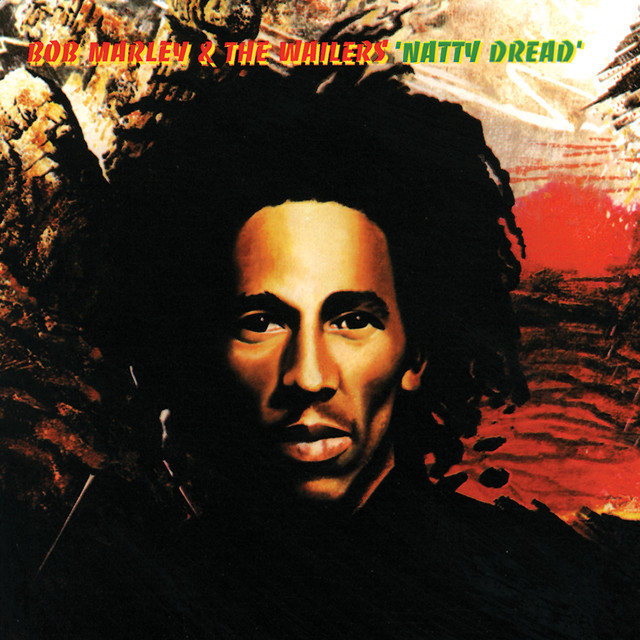
Released on Natty Dread in 1974 and made world-famous by the 1975 live version from London’s Lyceum Theatre, the song became one of Marley’s signature recordings, later earning a place in the Grammy Hall of Fame and ranking on Rolling Stone’s greatest songs list. Those honors fit because this is more than a hit. It is a survival song.
A Lullaby Built From Hard Times
At its core, the song looks back on poverty without letting poverty define the future. The speaker remembers life in Trenchtown, a tough Kingston neighborhood that shaped Marley’s early years. They recall a shared community, daily struggle, and the people who helped each other keep going.
When the lyric mentions government yard in Trenchtown
, it grounds the song in a real place. This is not abstract sadness. It is memory tied to housing projects, crowded life, and the kind of neighborhood where small acts of care matter.
Interpretation: The song’s emotional power comes from the way it balances pain and reassurance. It admits loss, but it refuses despair.

Watch the official No Woman No Cry
music video
The Chorus Is Comfort, Not Complaint
The repeated title is the heart of the song. Marley turns a simple line into a calming promise. The nearby phrase don’t shed no tears
makes the meaning even clearer: the speaker is trying to soothe someone they love.
That “woman” could be a partner, a mother figure, or even a broader symbol for loved ones left behind. The song does not lock itself into only one relationship. What matters is the act of comforting another person while carrying one’s own burdens.
Everything's gonna be alrightEverything's gonna be alright
Those lines are brief, but they explain why the song has lasted. They do not erase suffering. They sit beside it. In other words, hope here is not naive. It is chosen.
Memories of Trenchtown Make the Song Human
The verses are full of everyday details, and that is what keeps the song grounded. Marley does not describe wealth, escape, or fantasy. He remembers firelight, food, friendship, and endurance.
A line like good friends we've lost
gives the song its ache. The losses are not only personal; they feel communal. People disappear through hardship, separation, and time. Yet the song answers grief with memory. Remembering becomes a way of honoring the dead and steadying the living.
Another key line, my feet is my only carriage
, expresses struggle in plain language. The speaker has little material support. They still have to move forward anyway. That image turns perseverance into something physical: walking on, step by step.
Three story beats inside the lyric
- They remember shared life in Trenchtown.
- They admit poverty, loss, and uncertainty.
- They answer all of it with tenderness and resolve.
That structure is why the song feels both intimate and universal.
Sound Matters as Much as the Words
Part of the meaning of No Woman No Cry Bob Marley & The Wailers comes from how it sounds. The studio version on Natty Dread is notable for its gentle groove and organ-rich arrangement. Research on the song’s recording history notes that the original studio cut used a drum machine, while Jean Roussel contributed arrangement and Hammond organ elements. That mix gives the track a soft, steady pulse rather than a dramatic one.
The famous live version is even more important. Recorded at the Lyceum in 1975, it stretches the song into a shared ritual. The crowd response, the slower breathing pace, and Marley’s warm vocal delivery make the reassurance feel collective. It stops sounding like one person talking to one person and starts sounding like a room full of people holding each other up.
Interpretation: That may be the song’s greatest trick. It turns private comfort into public healing.
Why Vincent Ford’s Credit Matters
The song is closely associated with Bob Marley, but Vincent Ford received the songwriting credit. Ford was a friend of Marley’s who ran a soup kitchen in Trenchtown, and reporting around the song has long noted that royalty income helped support that work. That detail matters because it fits the spirit of the song itself: community care, practical help, and loyalty to one’s roots.
So even the credit history adds another layer to the message. The song remembers the neighborhood, and the business around the song also gave something back to that world.
A Message Bigger Than One Era
The song has lasted because its message travels well. Later versions by artists such as Fugees and Tems show how easily the core feeling crosses generations and styles. Listeners do not need to know every detail of Trenchtown to understand what the song says.
They hear memory. They hear hardship. Most of all, they hear someone choosing to comfort rather than collapse.
The Lasting Meaning
In the end, the meaning of No Woman No Cry Bob Marley & The Wailers is about dignity under pressure. It says people can face poverty, grief, and distance without letting those things destroy tenderness. The past hurts, but it also teaches endurance.
That is why the song still feels fresh. Its promise is simple, but not shallow: remember where they came from, hold on to each other, and keep moving.
Disclaimer: This interpretation separates documented context from critical reading. Songs can hold more than one meaning, and listeners may hear different emotional layers in the same words.







