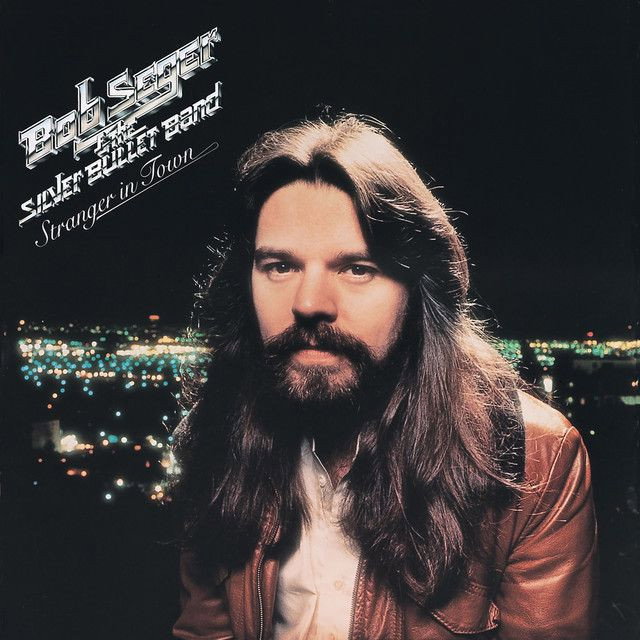
Why 'Old Time Rock & Roll' Still Feels Alive
The meaning of Old Time Rock & Roll Bob Seger comes down to a simple but lasting feeling: some songs do more than entertain. They bring people back to who they were, what they loved, and what made them feel alive in the first place.
"Old Time Rock & Roll" - Bob Seger
I'll sit and listen to 'em by myself
Today's music ain't got the same soul
Loading lyrics...
Unable to load lyrics
We're unable to display the lyrics at this time. Please try again later.
Bob Seger’s 1978 recording is often heard as a classic-rock anthem, but its message is more personal than grand. The singer is not trying to define all good music for everyone. They are drawing a line around their own taste and saying, with a grin, that older rock still has the power to move them.
A Love Letter to Music With Memory
On the surface, the song is about preferring early rock and roll over newer trends. The narrator hears today’s sounds and feels they lack the same spirit. When the song mentions old records
and says that music can soothe the soul
, it frames listening as comfort, not just fun.
That matters because the song is built on feeling rather than argument. The narrator is not making a careful case. They are reacting from the gut. In that sense, the track is about nostalgia, but not weak nostalgia. It is proud, loud, and fully self-aware.
Watch the official Old Time Rock & Roll
music video
The Narrator’s Stubborn Charm
One reason the song works so well is that the speaker sounds human. They refuse the disco floor, joke about leaving quickly, and shrug off any insult. When they accept being called a relic
or over the hill
, they turn criticism into identity.
Interpretation: this is why the song feels playful instead of bitter. The narrator knows they may seem dated. They simply do not care. That self-mockery keeps the song from sounding mean.
It also helps explain the line about modern music lacking soul. Taken literally, it sounds sweeping. But in context, it feels more like one person’s stubborn opinion than an objective truth.
How the Chorus Carries the Whole Meaning
The chorus is the emotional center. It does not just repeat a preference; it explains why that preference matters. Old rock is linked to memory, relief, and emotional steadiness.
That kind of music
just soothes the soul
Those short lines are the key to the entire song. They say the music is healing. It connects the body and the past at once. Instead of presenting rock and roll as rebellion, the chorus presents it as home.
That is a big reason the hook lasts. Almost anyone in the United States can relate to having one kind of music that instantly brings back another time in life.
Behind the Recording: Why It Sounds So Convincing
Facts around the song’s creation add depth to its meaning. Seger recorded it for 1978’s Stranger in Town after hearing a demo connected to Muscle Shoals. The song is generally credited to George Jackson and Thomas E. Jones III, while Seger later said he rewrote the verses but did not take proper credit, calling that choice a major regret in later comments reported by Wikipedia.
That backstory matters because the finished version sounds lived-in. The Muscle Shoals players give it groove rather than polish. Randy McCormick’s opening piano figure is instantly recognizable. Alto Reed’s saxophone adds bar-band swagger. The drums stay steady and direct, and the guitar solo cuts through with a lean, rootsy feel.
All of that supports the lyric. The song praises older music, and the arrangement proves the point by borrowing its energy from early rock, blues, and soul traditions.
More Than Nostalgia, Less Than a Manifesto
It would be easy to hear the song as a complaint about changing times. But that reading is too narrow. The stronger idea is that personal taste becomes part of identity. The singer is not only saying what they like. They are saying what kind of person they are.
A few details make that clear:
- They prefer listening alone to records.
- They reject trends they see as passing.
- They welcome labels like old-fashioned.
- They return again and again to music as emotional truth.
Interpretation: in this light, the song is about aging with confidence. Instead of trying to stay current, the narrator chooses loyalty to what still feels real.
Why Pop Culture Made It Even Bigger
The track was already successful, reaching No. 28 on the Billboard Hot 100 in 1979. But its afterlife became enormous after its use in Risky Business in 1983. That famous Tom Cruise scene turned the song into shorthand for release, freedom, and private joy.
Reception helped fix the song’s public meaning. Billboard praised Seger’s rough voice and forceful backing, while Cash Box called it an infectious burst of joy. Those responses fit the record perfectly: it sounds nostalgic, but it also sounds immediate.
That may be the secret of its longevity. It looks backward, yet it never feels sleepy.
The Lasting Meaning of Old Time Rock & Roll Bob Seger
The meaning of Old Time Rock & Roll Bob Seger is not just that older music is better. It is that certain songs become personal refuge. They carry memory, attitude, and a sense of self that newer sounds may not replace.
For some listeners, it is a funny anthem for stubborn classic-rock loyalty. For others, it is about the comfort of returning to what has always felt true. Both readings can live together.
In the end, the song lasts because it turns a simple opinion into a shared experience. Everyone has their version of old time rock 'n' roll
—that one sound that still reaches them right away.
Disclaimer: Song meanings are interpretive. This article separates documented facts from informed interpretation, and listeners may hear the song differently.








