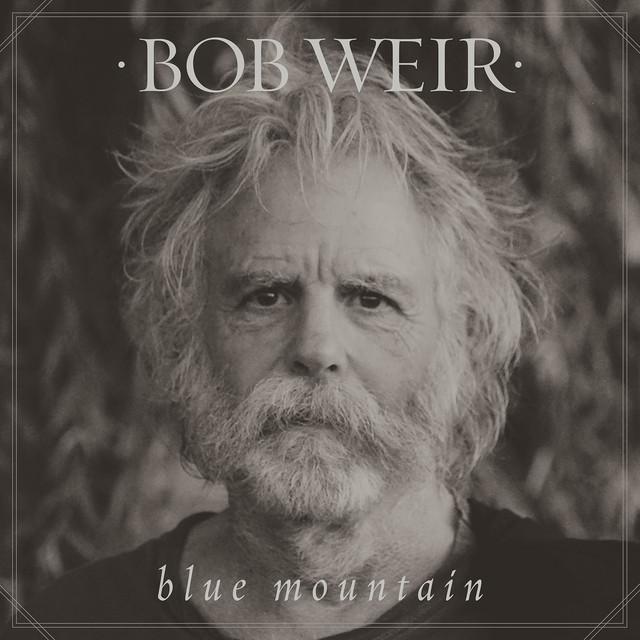
Only a River by Bob Weir
Bob Weir’s “Only a River” sounds simple at first. It moves with the ease of a folk standard, yet its images of dry land, distance, and remembered love give it real weight. For listeners searching for the meaning of Only a River Bob Weir, the song points to healing, longing, and the hope that time and nature can restore what people cannot fix on their own.
"Only a River" - Bob Weir
Raised up in a desert town
And I never saw the ocean
Loading lyrics...
Unable to load lyrics
We're unable to display the lyrics at this time. Please try again later.
Released in 2016 as the first single from Blue Mountain, the song also mattered in context. It introduced Weir’s first solo album in a decade and, as Rolling Stone noted, the record was his first set of entirely new material in about 30 years. That backdrop makes the song feel like a return: to roots music, to American landscape writing, and to old emotional questions.
The Heart of the Song Flows Toward Repair
At its core, “Only a River” is about a person looking for renewal in a damaged world. The singer remembers where they came from, measures the distance between past and present, and keeps returning to one idea: Only a river
can set things right. That line is not just about literal water.
Interpretation: the river stands for a force larger than one person’s will. It can mean time, forgiveness, memory, grace, or the natural cycle that washes pain downstream. Instead of promising easy closure, the song admits that some hurts are too deep for direct answers.
This is why the chorus lands so strongly. It does not offer a plan. It offers surrender.
Watch the official Only a River
music video
A Life Mapped by Land and Water
The verses sketch a whole identity through geography. The narrator says they were born in mountains, raised in a dry town, and did not see the ocean until later in life. That movement matters. The song keeps contrasting hard ground with moving water.
Dry places suggest limits, scarcity, and emotional hunger. Water suggests release, travel, and abundance. When the singer mentions desert town
and then longs for rolling river
, the song turns landscape into feeling.
There is also a quiet American sweep to these images. Mountains, deserts, rivers, farmland, and named places like San Angelo make the narrator feel rooted in the West and Southwest. Blue Mountain as an album leans into cowboy and frontier imagery, and this song fits that frame well. According to Wikipedia, the track was written by Bob Weir with Josh Ritter and Josh Kaufman, and produced by Weir and Kaufman.
Why “Shenandoah” Matters So Much
One of the song’s smartest moves is its use of the old folk echo Oh Shenandoah
. That phrase pulls in the memory of the traditional American song without fully retelling it. In both songs, the river becomes a place of longing and distance.
By invoking “Shenandoah,” Weir and his co-writers connect this personal story to a larger folk tradition. The narrator’s ache starts to feel older than one lifetime. It becomes part of a shared American music language, where rivers carry homesickness, desire, and the dream of reunion.
Oh Shenandoah, I long to see you
Hey, hey, hey, you rolling river
Even in that brief refrain, the speaker is doing two things at once: calling out to a place and asking for emotional relief. The river is both real and symbolic.
Memory, Love, and the Fear of Being Forgotten
Late in the song, the focus shifts from landscape to memory. The mention of the Red River Valley and remembered nights by the riverbed introduces a more intimate loss. The singer is no longer just homesick. They are wondering whether another person still carries the same past.
That detail broadens the meaning of Only a River Bob Weir. The song is not only about nature as healing. It is also about relationships that survive mostly as memory. The question is not whether the past happened. The question is whether it still lives in someone else.
Interpretation: this section suggests that the river holds what people cannot hold perfectly themselves. Human memory fades, but the river keeps moving, keeps witnessing, and keeps returning in song.
How the Sound Deepens the Meaning
The arrangement supports the lyrics beautifully. Reports on the recording describe shuffling drums, piano, and bright guitar lines that grow rougher in the solo. That mix matters. The track begins with steadiness and warmth, then lets in a little abrasion.
That roughness mirrors the song’s emotional tension. The singer sounds calm, but not untouched. Weir’s older voice helps sell that balance. They do not perform the words like a dramatic confession. They sing them with weathered restraint, which makes the longing feel earned.
The players also shape the atmosphere. Aaron Dessner’s guitar, Scott Devendorf’s bass, and the rootsy keyboard textures give the recording a spacious, Americana feel. It never rushes. Like a river, it keeps moving forward at its own pace.
Songwriting Origins Add Another Layer
The song’s history is unusually fitting. Josh Ritter said he first wrote it in college, long before Weir recorded it. Years later, it found its way onto Blue Mountain. That long path gives the song a lived-in quality.
A piece about memory and return was itself carried forward through time until it reached the right voice. That does not prove a single “true” meaning, but it does strengthen the song’s mood of patience and endurance.
Final Take: What “Only a River” Really Says
The best way to hear “Only a River” is as a song about limits. People can remember, regret, and yearn, but they cannot always repair. The chorus answers that pain with humility: some forms of healing arrive only through time, nature, and forces beyond control.
That is what gives the song its quiet power. It is about distance, age, memory, and the wish that life can still be made whole.
Interpretation disclaimer: Song meaning is never completely fixed. This reading is based on the lyrics, recording context, and documented background, but listeners may hear different meanings in the same song.







