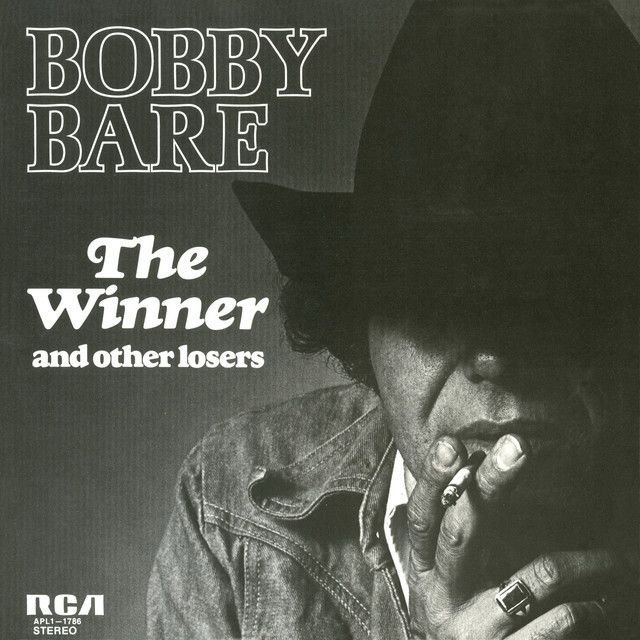
Why 'The Winner' by Bobby Bare Still Lands
The meaning of The Winner Bobby Bare comes down to one smart reversal: the song starts like a bar fight story, then turns into a lesson about pride, damage, and what winning really costs. What first looks like toughness slowly becomes a joke on macho behavior.
"The Winner" - Bobby Bare
And I knew if I hit him right why I could knock him off of that stool
But everybody they said watch out hey that's the Tiger Man McCool
Loading lyrics...
Unable to load lyrics
We're unable to display the lyrics at this time. Please try again later.
Bobby Bare records the song as a comic story, but its point is serious. The narrator thinks strength means beating an older man in public. By the end, they learn that survival, not swagger, may be the real prize.
A Barroom Tale With a Trap Door
The setup is simple. A younger man sees a huge older fighter at a bar and assumes he is washed up. The crowd warns him that this man, Tiger Man McCool, has always come out a winner. The younger man, feeling bold and drunk, still pushes for a fight.
That is where Shel Silverstein’s writing gets clever. Instead of throwing a punch, the older man answers with stories. Each story sounds like proof of glory at first, but each one reveals pain, loss, and absurdity. The song keeps repeating the word winner until the word starts to sound hollow.
This is the heart of the meaning of The Winner Bobby Bare: the song does not praise violent victory. It exposes how empty that kind of victory can be.
Watch the official The Winner
music video
How the Song Redefines “Winner”
Tiger Man McCool lists his scars like trophies. He points to fake teeth, a steel pin in his jaw, a broken back, hearing loss, and a glass eye. In each case, he frames disaster as proof that he came out ahead.
The joke works because the details get more extreme while the logic gets weaker. He says losing teeth still made him the winner. He talks like damage is honor. He even boasts about stealing a wife, only to admit the result is miserable. The audience hears the gap between what he says and what the facts show.
Interpretation: the song argues that some people build their identity around old battles, even when those battles ruined them. They need the title of winner
so badly that they cannot admit the cost.
The Twist Ending Gives the Song Its Meaning
The final verse changes everything. After all the boasting, Tiger Man refuses to fight. He basically says that if the younger man needs the title so badly, he can have it. That surrender is not cowardice. It is wisdom.
The younger man walks away embarrassed by the crowd, but physically intact. Then comes the song’s real conclusion: they still have their eyes, nose, and teeth. In other words, they leave with their body and dignity mostly untouched. That is why they quietly realize they may be the winner
after all.
This ending reframes every verse before it. The old fighter has learned, through pain, that proving manhood in some silly fight
is no victory. The younger man learns it in one night.
My eyes still see
my nose still works
my teeth're still in my mouth
Those lines are funny, but they also carry the moral. Keeping oneself whole matters more than impressing a bar crowd.
Shel Silverstein’s Humor Cuts Deep
The song was written by Shel Silverstein, who wrote several major songs for Bare, including material tied to Bare’s 1970s run of witty, story-driven country hits. Bare’s long career, later honored by the Country Music Hall of Fame, often included songs by strong outside writers, and Silverstein was one of the most important of them.
Silverstein uses exaggeration like a cartoonist, but the message stays sharp. Phrases like bright white smilin' teeth
and glass eye
are grotesque and comic at once. The laughter is part of the point. Listeners laugh, then notice they are hearing a warning about ego.
Interpretation: the song can be heard as a critique of old-school masculinity. It shows a world where men earn status through pain, then asks whether that status is worth anything.
Why Bobby Bare Was the Right Singer
Bare had a gift for narrative country songs that sounded conversational rather than overly polished. According to his career overview, he moved through country’s classic and progressive sides, recording songs that mixed humor, sadness, and strong character sketches. That makes him a natural fit for “The Winner.”
Their performance matters as much as the words. Bare sings with dry timing, letting each injury land like a punchline. They do not oversell the joke. That restraint keeps the song believable.
The arrangement helps too. The production stays rooted in country storytelling: steady rhythm, clean backing, and room for the vocal to lead. Nothing distracts from the tale. The music feels like a barroom stage where each verse raises the stakes.
Symbols, Motifs, and the Crowd
A few recurring ideas give the song depth:
- Scars as false trophies: wounds stand in for pride.
- The bar crowd: public opinion pushes foolish behavior.
- The body: teeth, jaw, back, ear, and eye become a scoreboard.
- Alcohol: bad judgment starts the whole challenge.
The crowd is especially important. At first, the younger man wants their attention. At the end, the crowd laughs, but that laughter no longer decides the truth. The song suggests that public humiliation is easier to survive than real injury.
Final Take on the Song’s Message
So what is the meaning of The Winner Bobby Bare? It is a witty country story about how pride can fool people into chasing the wrong kind of win. Real victory is not domination. It is knowing when a fight is pointless and walking away with oneself still intact.
That is why the song lasts. It sounds like a novelty record, but beneath the humor it delivers a durable lesson about ego, masculinity, and survival.
Disclaimer: This interpretation separates documented facts about the song and artist from critical reading. As with any narrative lyric, listeners may hear different meanings in its humor and ending.







