Why 'Rockin' Robin' Still Sounds So Joyful
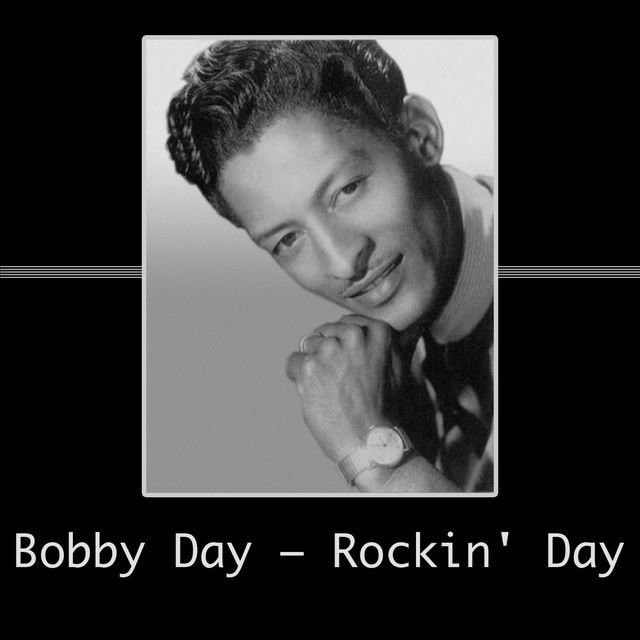
The meaning of Rockin' Robin Bobby Day starts with something simple: pure fun. Bobby Day's 1958 hit turns a robin into a rock-and-roll star, then builds a whole little world around that idea. On the surface, it is a playful novelty song about birds singing, dancing, and cheering each other on. Under that surface, it is also a celebration of performance, youth energy, and the way music can turn an ordinary scene into a party.
"Rockin' Robin" - Bobby Day
(Tweedilly-tweedilly-deet, tweedilly-tweedilly-deet)
(Tweedilly-tweedilly-deet, tweedilly-tweedilly-deet)
Loading lyrics...
Unable to load lyrics
We're unable to display the lyrics at this time. Please try again later.
According to widely cited discographies, the song was recorded by Bobby Day, released in 1958 on Class Records, and written by Leon René under the pseudonym Jimmie Thomas. It became Day's biggest hit, reaching No. 2 on the Billboard Hot 100 and No. 1 on the R&B chart. Those chart facts matter because they show this was not just a cute gimmick. Listeners really connected with its spirit and hook-driven design.
A Bird Song That Is Really About Showmanship
At the lyric level, the song gives the robin human traits. He performs, leads a crowd, and wins admiration. When the verses describe him rocking in the trees and birds gathering around, the point is not realism. It is performance fantasy.
The robin acts like a breakout star. Phrases like he rocks in the treetop
and singing his song
frame him as an entertainer who cannot help drawing attention. The nearby birds become his audience, and the whole tree turns into a stage.
Interpretation: this makes the song less about nature than about charisma. The robin represents the kid, singer, or bandleader who brings life to a room. Everyone else joins because joy is contagious.
Watch the official Rockin' Robin
music video
How the Story Moves From Talent to Community
The song is loose and cartoonish, but it still has a small narrative arc. It goes from introducing a gifted performer to showing a whole bird community responding to him.
Three key beats stand out:
- The robin is introduced as a nonstop performer.
- Other birds gather and cheer him on.
- A raven teaches him the bop, helping him become even better.
That last detail is especially important. The line about the bird bandstand
turns the song into a tiny music scene. The robin is not born fully formed. He learns style, movement, and rhythm from someone else. That gives the record a warm message about influence. Even in a novelty song, talent grows in community.
Go, bird, go
'Cause we're really gonna rock tonight
Those short lines show the song's emotional center. It is not about one bird alone. It is about shared excitement, cheering, and collective release.
The Chorus Sells the Mood in Seconds
The chorus is one reason the record has lasted for decades. It is repetitive, easy to remember, and built for audience participation. Even people who do not know every verse usually remember the hook and the bird-sound syllables.
That design helps explain the meaning of Rockin' Robin Bobby Day. The song does not ask listeners to solve a mystery. It invites them to join the fun. The repeated calls, the playful noises, and the forward motion all say the same thing: this is a song about movement and delight.
Interpretation: the robin can also be heard as a symbol of early rock itself. Small, lively, a little silly, and impossible to ignore, he captures the spirit of a genre that turned rhythm into social energy.
Why the Sound Matters as Much as the Words
The recording works because its arrangement is as playful as the lyric. Reports on the session often credit top Los Angeles players including Barney Kessel on guitar, Earl Palmer on drums, and Plas Johnson, whose bright piccolo line became one of the record's signatures. That piccolo is crucial. It mimics birdsong without sounding delicate. Instead, it sounds sharp, catchy, and comic in the best way.
The drums keep the track bouncing, while the vocals push the beat forward with clipped, excited phrasing. The whole record lasts only about two and a half minutes, but it packs in multiple choruses and constant vocal hooks. That economy is part of its craft. There is almost no dead space.
Song analysts often point out how tightly arranged it is, and that feels right. The record keeps changing small details so the repeated sections do not get stale. As a result, the listener experiences the song the way the birds experience the robin: as a burst of nonstop action.
Bobby Day's Context Shapes the Meaning
Bobby Day is sometimes remembered as a one-hit wonder, but that label can hide what made this single special. He came out of the Los Angeles R&B and doo-wop world, and that background helps explain why the song sounds both polished and loose. It is novelty rock, but it is rooted in real rhythm-and-blues drive.
That mix matters. Without the strong groove, the bird concept could have felt childish. Instead, Day delivers it with confidence, making the humor feel cool rather than corny. Later covers, including Michael Jackson's successful 1972 version, proved how durable the song was. A good novelty tune usually fades with its joke. This one survived because the joke sits on top of a great pop structure.
Lasting Meaning and Best Reading
So what is the song about in the end? Most clearly, it is about the thrill of watching someone light up a crowd. Its bird world gives that feeling a harmless, playful frame. Beneath that frame are big pop themes: performance, romance, imitation, confidence, and communal joy.
The best reading is also the simplest one. The robin matters because he creates motion around him. He makes others listen, dance, and answer back. That is what great rock and roll does.
Disclaimer: This interpretation mixes documented facts about the recording with critical reading of the lyrics. Songs can support more than one meaning, and listeners may hear it differently.








