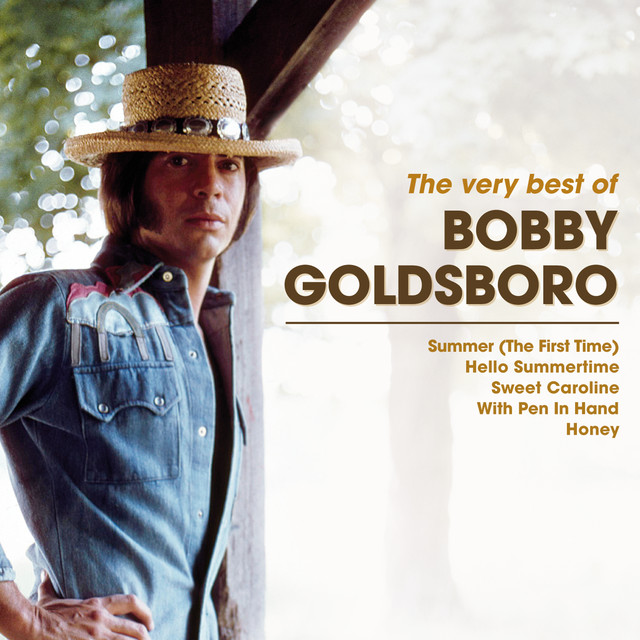
Why “Watching Scotty Grow” Still Resonates
The meaning of Watching Scotty Grow Bobby Goldsboro comes down to a simple but lasting idea: everyday family life can feel more valuable than all the entertainment the world offers. Bobby Goldsboro turns small domestic scenes into something almost sacred, showing how a parent’s attention can make ordinary moments feel huge.
"Watching Scotty Grow" - Bobby Goldsboro
he's a handsome lad, that's my boy.
P-r-l-f-q, spells mom and dad.
Loading lyrics...
Unable to load lyrics
We're unable to display the lyrics at this time. Please try again later.
Written by Mac Davis and recorded by Bobby Goldsboro, the song arrived in 1971 and became a major hit in the United States, fitting Goldsboro’s long-running gift for story songs and emotional pop storytelling. It is widely associated with the soft rock and country-pop style of the era, where warm vocals and easy melodies carried strong narratives.
A Father’s Quiet Revelation
What makes this song work is not a dramatic plot. Instead, it builds from tiny snapshots of a child at home. The narrator watches his son scribble, mispronounce, stack toys, ask for bedtime comforts, and simply exist. Every scene ends with the same emotional truth: this child is enough.
When the father hears nonsense letters and still beams with pride, the song makes a bigger point about love. It does not depend on achievement. The child does not need to be impressive. He just needs to be present.
That is why a phrase like that’s my boy
matters so much. It is not about bragging. It is about recognition. The father keeps seeing himself changed by affection.

Watch the official Watching Scotty Grow
music video
Home Beats the Outside World
One of the clearest themes is the rejection of distraction. Early in the song, the narrator compares home life with adult leisure. He says others can keep the TV, clubs, and movies. He would rather sit still and watch his son grow.
That choice gives the song its emotional spine. The father is not trapped at home. He is choosing home. A short phrase like watchin’ Scotty grow
becomes a statement of values.
Interpretation: This can be heard as a gentle answer to an old idea of success. Instead of chasing nightlife, money, or public excitement, the narrator finds meaning in private life. The song suggests that maturity is not about having more options. It is about knowing what matters most.
The Little Details Do the Heavy Lifting
The lyrics are full of child-sized images: scribbling on a pad, blocks, a cardboard box, a teddy bear, bedtime water, and story time. These details matter because they are so ordinary. Goldsboro and Davis do not need grand symbols. Childhood itself becomes the symbol.
A line like building blocks
works on two levels. Literally, it shows a kid playing. Figuratively, it hints that a life and a family are being built piece by piece.
The weather image also stands out. When the father says he has my own rainbow
, the idea is clear even without a long quote. His happiness no longer depends on conditions outside. Rain can hit the window, but joy remains inside the home.
How the Song Moves Through Time
The narrative unfolds in three gentle stages:
- Daytime pride: The father watches early learning and laughs at mistakes.
- Playtime wonder: Toys and make-believe turn the house into a world.
- Bedtime reflection: The night quiets down, and gratitude deepens.
That final turn is important. The song does not end with a joke or a cute image. It ends in prayerful thanks. The parent moves from amusement to awe.
say a little pray’r
watchin’ Scotty grow
Those lines, kept brief, show how the song lifts parenthood into something spiritual. The child is not treated as an achievement or possession. He becomes evidence of grace.
The Sound Supports the Message
The production helps sell that meaning. The arrangement sits comfortably in soft rock, with a smooth tempo, warm rhythm, and an easy vocal that never pushes too hard. Goldsboro sings with calm affection rather than big theatrical force, which makes the story sound lived-in.
That softness matters. A louder or more dramatic production could have made the song feel preachy. Instead, the melody rocks gently, almost like a lullaby for adults. The listener is invited into a living room, not a spotlight.
Interpretation: The understated sound mirrors the father’s discovery. This is not a song about public triumph. It is about private fulfillment. The music stays modest because the message is modest in the best way.
Artist Context Makes the Sentiment Land
Bobby Goldsboro built much of his reputation on emotionally direct songs with clear narratives. That style made him a strong match for Mac Davis, a writer known for plainspoken, memorable storytelling. In that context, “Watching Scotty Grow” fits perfectly: it is conversational, vivid, and easy to follow, but it reaches for a deep feeling underneath.
Its reception also helps explain why it lasted. Many listeners recognized the central emotion right away. Even people who are not parents can understand the larger point: life-changing meaning often hides inside repeated daily routines.
More Than Nostalgia
It would be easy to call the song sentimental and stop there. It is sentimental, but it is not empty. The feeling has structure. Each verse shows the father slowly redefining wealth, entertainment, and purpose.
In one of the song’s best ideas, he says he has grown from rags to riches
through family life. That phrase is not about money. It means emotional abundance. The child has made him feel rich in a way the outside world never did.
The Lasting Takeaway
The meaning of Watching Scotty Grow Bobby Goldsboro is that love reshapes a person’s sense of value. The song celebrates fatherhood, but it also honors attention itself: the act of slowing down long enough to notice a life unfolding.
That is likely why the song still resonates. It reminds listeners that some of the biggest emotional truths arrive quietly, in a chair at home, while someone they love keeps growing.
Disclaimer: This interpretation is based on the song’s lyrics, performance, and cultural context. As with any song, listeners may hear meanings that differ from this reading.








