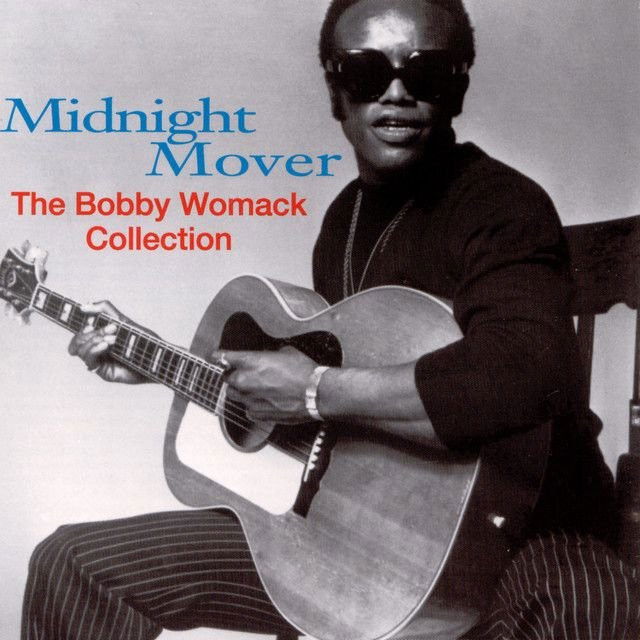
Why 'Across 110th Street' Still Hits Hard
The meaning of Across 110th Street Bobby Womack comes through fast: this is a song about survival, pressure, and the cost of poverty. It does not glamorize street life. Instead, it shows how crime, addiction, and exploitation grow in places where people feel trapped.
"Across 110th Street" - Bobby Womack
Woo, ooh
I was the third brother of five
Loading lyrics...
Unable to load lyrics
We're unable to display the lyrics at this time. Please try again later.
Released as a single in February 1973 and tied to the Across 110th Street soundtrack, the song was written by Bobby Womack and J.J. Johnson, and produced by Womack. It was credited to Bobby Womack & Peace and later found a new audience through films like Jackie Brown and American Gangster.
A Street Name That Becomes a Border
On the surface, the title points to a real place in New York. In the song, though, 110th Street means more than geography. It becomes a line between comfort and struggle, power and neglect, safety and danger.
That is why the chorus keeps returning to Across 110th Street
. The phrase works like a map pin and a warning sign at the same time. Each repetition widens the picture, showing a whole system of survival where vulnerable people are targeted and desperation becomes business.
Interpretation: the street stands for every neglected neighborhood in America. That reading fits the later line about Harlem being the model for every ghetto town
. The song is local in detail but national in meaning.

Watch the official Across 110th Street
music video
The Narrator Speaks From Experience
One reason the song feels so convincing is that the voice is not distant. The opening sounds personal and lived-in. When the narrator says third brother of five
, they place themselves inside a family story before moving into a larger social one.
That matters because the song does not judge from above. It admits compromise, fear, and hard choices. The line about doing what was necessary to survive presents a painful moral gray area. The narrator is not asking to be praised. They are explaining what pressure can do to a person.
I was the third brother of five
Doing whatever I had to do to survive
I'm not saying what I did was alright
Tryna break out of the ghetto was a day to day fight
This is the article’s only extended lyric quote, and it captures the song’s central tension: people may do wrong things, but those actions happen inside conditions they did not create.
Hard Truths, Not Crime-Movie Cool
The song lists street realities in plain language: pimps, pushers, addiction, and sex work. But Bobby Womack presents them as signs of damage, not as exciting details.
For example, when the chorus mentions pimps trying to catch
and later warns that pushers will not free the addict, the song highlights exploitation. The point is not that the street is thrilling. The point is that weak points get hunted.
This is where the moral voice becomes clearer in the second half. The narrator turns outward and gives advice, warning a “brother” that drug use is not escape but surrender. They argue that survival takes strength, not numbness.
A Protest Song Hidden Inside a Soul Hit
Part of the meaning of Across 110th Street Bobby Womack is its social critique. The song suggests that wealthier people benefit from keeping poverty contained elsewhere. That idea appears in the verse about families on the other side of town who would “catch hell” without a ghetto around.
That is a sharp argument. It says the ghetto is not an accident or a moral failure by individuals alone. It is also useful to the larger city, because it hides inequality and absorbs suffering.
Interpretation: this makes the song more than a character sketch. It becomes a critique of urban America in the early 1970s, when segregation, drugs, and economic abandonment shaped daily life in many Black neighborhoods.
Why the Music Feels So Big
The production helps carry that message. According to the song’s credits, Womack produced it, and the recording uses an orchestral soul sound that fits both cinema and street testimony. Sources also note session players including bassist Carol Kaye and percussionist Emil Richards in the broader personnel listing.
The arrangement does something smart. Strings and horns give the song scale, almost like a public tragedy, while the rhythm section keeps it grounded in body and street movement. That mix makes the record feel both intimate and epic.
Womack’s singing is just as important. They do not sound detached. They sound worn down, urgent, and still human. That emotional balance keeps the song from turning into a lecture.
Why It Lasted Beyond 1973
The single reached No. 56 on the Billboard Hot 100 and No. 19 on the soul chart, but its afterlife may matter even more. Its use in Jackie Brown in 1997 helped introduce it to a new generation, and later placements kept its reputation strong.
The song lasts because its message still feels current. Listeners still recognize neighborhoods divided by money, race, addiction, and opportunity. They still hear the warning in a hell of a tester
: harsh environments reveal what people are forced to become.
The Lasting Takeaway
So what is Bobby Womack saying? They are saying that people trapped by poverty should be seen fully, not reduced to stereotypes. The song shows bad choices, but it keeps asking what system produced those choices in the first place.
That is why the record remains powerful. It is compassionate without being soft, political without sounding like a speech, and specific without losing its wider reach.
Disclaimer: This interpretation separates documented facts about the song from critical reading of its themes. As with any lyric, meaning can vary from listener to listener.








