
How Bon Iver Turns Chaos Into Connection
The meaning of 10 d E A T h b R E a s T ⚄ ⚄ Bon Iver starts with contradiction. The song sounds bruised and mechanical, yet it keeps reaching for closeness. Instead of giving listeners a neat story, Bon Iver builds a world of panic, desire, and repair.
"10 d E A T h b R E a s T ⚄ ⚄" - Bon Iver
Fever rest
(Wild heart, wild heart)
Loading lyrics...
Unable to load lyrics
We're unable to display the lyrics at this time. Please try again later.
On the surface, the lyrics feel fragmented. But that fragmentation is part of the point. They present someone caught between emotional damage and the wish to love better.
The Song’s Core: Damage, Then a Plea
A simple way to hear the track is as a struggle inside a broken relationship or broken self. Early lines suggest exhaustion and feverish unrest, with the repeated fever rest
creating a state that is half illness, half recovery. They are not calm; they are trying to become calm.
That tension sharpens when the song moves from alienation to invitation. A line like I’ll cut you in
suggests letting another person back into a private wound. Soon after, the song turns harsher with deafening
, as if noise, conflict, or inner pressure is drowning everything else out.
Interpretation: the song is about trying to choose intimacy while feeling emotionally wrecked. It does not present healing as clean or noble. It sounds messy because the speaker is messy.
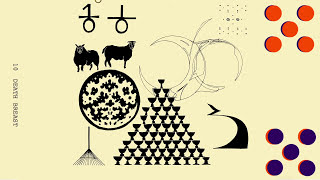
Watch the official 10 d E A T h b R E a s T ⚄ ⚄
music video
Who They Seem to Be Addressing
The lyrics point toward a “you,” likely a lover or intimate partner, but the address keeps blurring. In one moment, they sound protective; in the next, defensive. When the song says Darling don’t make love
, it feels less like rejection than fear. They seem scared of repeating a pattern that already hurts.
Then comes the key reversal: Love, don’t fight it
. That short refrain acts like the song’s emotional center. After all the distortion and strange images, this is the clearest thought in the track: stop resisting care, closeness, and feeling.
A small lyric moment that matters
The song’s emotional movement becomes clear in this brief section:
Love, don't fight it
Love, don't fight it
This is not a full explanation. It is more like a command they are giving to themselves as much as anyone else.
Why the Imagery Feels So Disjointed
Bon Iver often writes through association rather than straight narrative, and this song is one of the most extreme examples. Images like sleeping in a stable, old lanes, northern lights, tall grass, and mountain cable do not lock into one plot. Instead, they create emotional weather.
The line about being sleeping in a stable
suggests rough shelter, humility, or displacement. Later, the phrase our northern lights
opens the song up into something bigger and more luminous. The track moves from confinement toward a wider vision, which matches its closing image of a deeper, wider world.
Interpretation: the scattered images reflect a mind trying to decode pain. They are not random. They show someone searching for orientation in a life that no longer feels stable.
How the Sound Carries the Meaning
Context matters here. “10 d E A T h b R E a s T ⚄ ⚄” appeared ahead of 22, A Million, released on September 30, 2016, via Jagjaguwar. Critics widely saw it as a dramatic turn in Bon Iver’s sound. PopMatters described the track as a forceful mix of filtered chants, heavy low end, and clattering percussion, with several reviewers linking its bold electronic feel to Justin Vernon’s work around Kanye West’s orbit.
That matters because the production is not decoration; it is the meaning. The stomping beat and distorted vocal layers feel like pressure closing in. Then the arrangement opens in places, briefly revealing Vernon’s more human, exposed voice. That contrast mirrors the lyric tension between numbness and tenderness.
PopMatters writers called the song everything from “dystopian folk music” to a brave leap into unknown territory, and their average score there was 7.64. Even mixed reactions help explain the song: it is supposed to feel unstable, even difficult. Its discomfort is expressive.
A Turning Point in Bon Iver’s Career
For listeners who knew Bon Iver mainly through the quieter intimacy of earlier work, this track was a shock. Instead of acoustic stillness, it offered fractured structure, processed vocals, and aggressive rhythm. Yet the warmth never disappears fully.
That is why the song still feels recognizably Bon Iver. Under the electronic abrasion, there is still a person trying to connect. The experiment is not cold. It is vulnerable in a new language.
So What Does the Title Suggest?
The title itself looks coded, almost broken by design. That visual style fits the song’s themes of fragmentation and altered perception. “Death breast” can suggest breath under threat, life meeting collapse, or intimacy touched by mortality.
Interpretation: the title may reflect emotional suffocation more than literal death. The song keeps returning to breath, body, and pressure, then pushing toward release.
The Big Takeaway
The meaning of 10 d E A T h b R E a s T ⚄ ⚄ Bon Iver is not a single hidden message. It is a feeling made from conflict: panic versus love, distortion versus clarity, collapse versus connection. The lyrics are fractured because the person inside them is fractured.
What makes the song powerful is that it does not stay there. Beneath the noise, it keeps reaching toward a simple idea: love may be hard, but fighting it makes the damage worse.
Disclaimer: This interpretation is based on the song’s lyrics, sound, and public critical context. Like much of Bon Iver’s writing, the song remains open to multiple readings.









