Why "33 "GOD"" Feels Like a Prayer in Pieces
The meaning of 33 "GOD" Bon Iver sits somewhere between a breakup scene, a spiritual crisis, and a memory that will not stay still. On the surface, the song sounds fragmented. But that is also the point. Justin Vernon turns scraps of conversation, religious language, and vivid room-level details into a portrait of someone trying to make sense of loss.
"33 "GOD"" - Bon Iver
Is the company stalling?
We had what we wanted: your eyes
Loading lyrics...
Unable to load lyrics
We're unable to display the lyrics at this time. Please try again later.
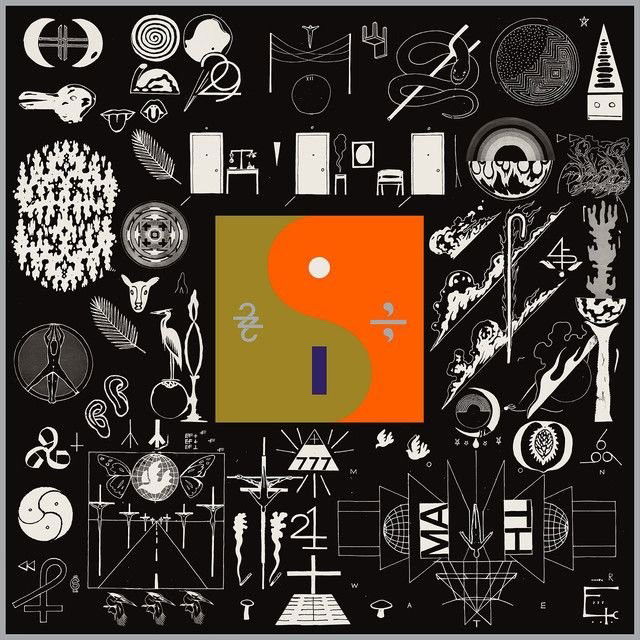
Released on 22, A Million in 2016, the song stands near the center of an album built on symbols, numbers, and emotional distortion. Critics noted how the record moved away from plain autobiography toward a more opaque style; Pitchfork described the track as a collision of intimacy and scale. That mix is exactly what gives the song its power.
A Spiritual Question Hidden in a Relationship Scene
At heart, the song seems to ask two questions at once: What happened between these people? And where is God in the middle of that pain?
The lyrics move through rooms, stairways, hotels, streets, and apartments. Those are ordinary places, but they are charged with emotional aftershocks. Early on, the song suggests that a shared moment is temporary, almost already disappearing. The repeated idea that a room is gone once they leave makes intimacy feel fragile and hard to keep.
Interpretation: They are not just mourning a person. They are mourning a state of being that vanished as soon as it was lived.
That is why small lines land so hard. A phrase like if you stayed for tea
sounds casual, even sweet. But inside this song, it feels like a plea for time, comfort, and maybe one more chance.

Watch the official 33 "GOD"
music video
The Title’s Number Game Matters
The title is not random. According to Songfacts, the number 33 connects to the age of Jesus at death, the track length of about 3:33, and the timing of the single's release before the album. On 22, A Million, numbers often act like spiritual codes rather than plain labels.
That means the song announces its religious themes before the music even starts. But Bon Iver does not use faith language in a simple church-song way. Vernon told The New York Times, as quoted by Songfacts, that he likes using holy words in unexpected ways. That helps explain why the song sounds both serious and unstable, sacred and ordinary.
How the Lyrics Build Meaning From Fragments
Rather than tell a clean story, the song drops the listener into emotional flashes.
Scenes of closeness and collapse
The lyrics suggest a relationship strained by distance, pride, and confusion. There are hints of a shared night, a driveway, a sister sent home in a cab, and a speaker trying to act detached. When they insist they did not need the other person, it sounds less like confidence than self-protection.
A line like I could go forward in the light
points toward recovery. Still, the next emotional turn undercuts that certainty. The song keeps showing someone who wants transcendence but keeps getting pulled back into messy human feeling.
The God-language is restless, not settled
One of the song's most striking moments is the sampled phrase I find God
, followed by religion, too
. As Songfacts notes, that line comes from Paolo Nutini's "Iron Sky." In Bon Iver's version, it does not sound like a testimony of peace. It sounds more unsettled, almost like someone finding the words before finding the belief.
Interpretation: The song may be less about faith itself than about the human urge to reach for faith when ordinary language fails.
The Ending Opens the Wound Wider
Near the end, the song circles around mental and spiritual distance. Then it lands on a biblical cry:
Why are you so far
from saving me?
That echo of Psalm 22 is important. It frames the whole song as a form of lament, not a statement of certainty. The speaker is not preaching. They are asking why help, clarity, or grace feels absent.
This also changes how the earlier scenes read. The apartments, rooms, and roadside images stop being random details. They become places where someone is waiting for meaning to arrive and hearing only silence.
Why the Sound Feels So Huge and So Private
A big part of the meaning of 33 "GOD" Bon Iver comes from the production. The track moves between bare piano, high falsetto, layered vocal treatments, and explosive drums. Pitchfork highlighted that paradox: the song feels both naked and thunderous.
That contrast mirrors the lyrics. A private line can sit next to a dramatic burst of sound. The result is that inner conflict becomes physical. The listener does not just hear doubt; they feel it expand and contract.
The nearly ghosted backing vocals also matter. They make the song feel haunted by thoughts the speaker cannot fully say out loud. Even when the words are hard to pin down, the emotional direction is clear: longing, disorientation, and a need for contact.
A Few Strongest Readings
There is no single locked meaning, but a few readings fit the evidence best:
- Relationship aftermath: the song tracks an intimate bond breaking apart.
- Spiritual crisis: religious phrases express doubt more than devotion.
- Memory collage: the fragmented writing imitates how painful nights are remembered.
These readings can all be true at once. Bon Iver leaves enough space for overlap.
What the Song Finally Says
The lasting force of "33 "GOD"" is that it treats confusion as real emotional knowledge. It does not clean up heartbreak or belief into tidy answers. Instead, it shows how people talk, pray, and remember when they are not sure what remains.
That is why the song feels so moving. It is not a sermon. It is a broken prayer made from rooms, voices, and unfinished thoughts.
Interpretation disclaimer: Bon Iver's lyrics are intentionally open-ended, so this reading is one informed interpretation rather than a single definitive meaning.









