Why 'Skinny Love' Still Hurts So Much
The meaning of Skinny Love Bon Iver starts with a simple but painful idea: this is a song about love that cannot hold its shape. Bon Iver never turns that idea into a neat plot. Instead, they present broken images, repeated pleas, and a voice that sounds like it is trying to stay calm while falling apart.
"Skinny Love" - Bon Iver
Pour a little salt, we were never here
My, my, my, my, my, my, my, my
Loading lyrics...
Unable to load lyrics
We're unable to display the lyrics at this time. Please try again later.
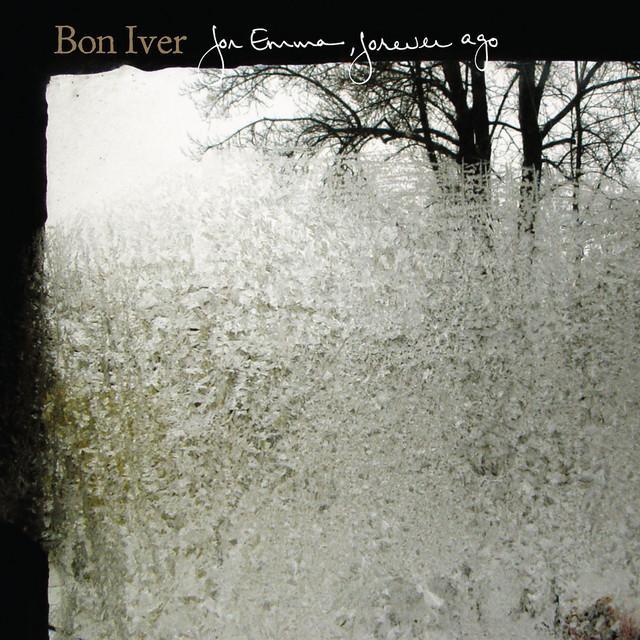
Released on For Emma, Forever Ago in 2007, the song helped introduce Justin Vernon’s project Bon Iver to a wide audience. The album’s backstory—recorded in isolation in Wisconsin after a hard period in Vernon’s life—is well documented by outlets like NPR and 4AD. That context matters because the song’s loneliness does not sound staged. It sounds lived in.
A Love Too Thin to Last
At the center of the song is the phrase skinny love
. In plain terms, it suggests a relationship with too little substance. It may still exist, but barely. It is underfed emotionally, unstable, and likely running on memory or need rather than trust.
Interpretation: They seem to describe a bond that feels intense but cannot survive real pressure. When the singer asks it to just last the year
, the request already sounds desperate. They are not asking for forever. They are asking for a little more time.
That is why the song hurts. It captures the moment when two people can still speak to each other, but both may already know the relationship is ending.

Watch the official Skinny Love
music video
Images of Damage, Not Romance
Bon Iver writes in fragments, and those fragments carry the emotion. Early on, the song uses the image sink of blood
alongside crushed veneer
. Even without taking those words literally, the meaning is clear: something ugly has surfaced, and whatever polish once covered the relationship is gone.
The song keeps moving between tenderness and destruction. One line asks love to stay. Another says to wreck it all
. That tension matters. The speaker does not sound fully consistent because heartbreak rarely is. They want to save the connection and destroy it at the same time.
Interpretation: This contradiction may show emotional exhaustion. When people feel trapped in a failing bond, they often swing between repair and surrender.
The Chorus Sounds Like Advice After the Damage
The most memorable section is the repeated series of instructions: be patient, fine, balanced, kind. In the song, these lines feel less like wisdom and more like a last attempt to control chaos.
Here Bon Iver turns ordinary virtues into something sad. Patience and kindness are usually healing words. But in this setting, they sound like rules handed out too late. The relationship is already cracking, so the advice cannot fix the deeper problem.
be patientbe finebe balancedbe kind
That short sequence explains a lot about the meaning of Skinny Love Bon Iver. The speaker is trying to make pain manageable by naming the right behaviors. Yet the song shows that correct behavior is not the same as emotional truth.
Who Is Speaking, and to Whom?
The narrative voice is first person, but it keeps shifting between confession and direct address. They speak to a lover, but they may also be speaking to themselves. That ambiguity gives the song its power.
One of the sharpest moments comes when the speaker wonders what remains after the love is gone. Later, the closing questions—who will love, fight, or fall behind—expand the scene. The song stops being only about one couple and starts asking what happens when attachment disappears. Who carries the loss? Who gets left behind by change?
Interpretation: Those final questions may reflect guilt as much as grief. The speaker is not only mourning the relationship. They may be wondering whether they failed it.
How the Sound Makes the Words Hit Harder
The recording is a major reason the song became so enduring. Bon Iver builds it around fingerpicked acoustic guitar and a high, trembling vocal. According to album credits from 4AD and widely cited discographies like AllMusic, Vernon wrote the song and shaped the sparse sound that defines it.
There is very little between the listener and the voice. No heavy drums step in to organize the emotion. No glossy arrangement softens the edges. That bareness mirrors the title itself: the production is almost “skinny,” too.
The melody also strains upward, which makes the singer sound exposed. They do not deliver the lines with cool distance. They sound cracked open. In a song about a bond losing strength, that fragile vocal is not just performance. It is part of the meaning.
Why the Song Connected So Deeply
Part of the song’s lasting appeal is its openness. It gives listeners enough detail to feel the hurt, but not enough to lock the story into one explanation. That is why many people hear their own breakups in it.
It also arrived as Bon Iver emerged as a major indie voice from For Emma, Forever Ago, an album often praised for turning solitude into intimate art. Coverage from Pitchfork and Rolling Stone has long pointed to that mix of isolation and emotional directness as central to Vernon’s early work.
So the song lasts because it feels specific and universal at once: one person’s private collapse, sung in a way that lets others step inside it.
The Real Takeaway Behind the Heartbreak
The meaning of Skinny Love Bon Iver is not just “a sad breakup song.” It is about a relationship too fragile to survive, and about the human urge to keep naming virtues when the deeper foundation is gone. Its images show damage. Its chorus shows denial and hope. Its sound makes both feel painfully close.
That is why “Skinny Love” still lands so hard. It understands that some love stories do not end with one dramatic moment. They thin out, strain, and finally reveal how little was holding them up.
Disclaimer: This interpretation mixes documented context with informed reading of the lyrics and sound. Because Bon Iver’s writing is intentionally poetic, different listeners may hear the song differently.