Why Bon Jovi Said This Isn’t a Love Song
The meaning of This Ain't A Love Song Bon Jovi starts with a contradiction. The title says this is not a love song, yet everything inside it comes from love, loss, and the shock of seeing a relationship end. That tension is the point.
"This Ain't A Love Song" - Bon Jovi
should have seen the end of summer in your eyes
I should have listened when you said goodnight
Loading lyrics...
Unable to load lyrics
We're unable to display the lyrics at this time. Please try again later.
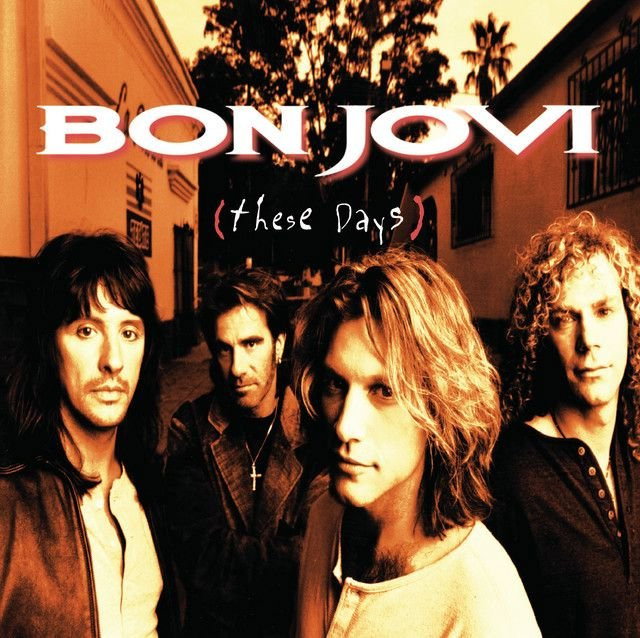
Released in 1995 as the lead single from These Days, the track showed a more reflective side of Bon Jovi. It was written by Jon Bon Jovi, Richie Sambora, and Desmond Child, and it became a major international hit, reaching No. 14 on the Billboard Hot 100 and No. 6 in the UK. It also carried the rootsy, R&B-leaning sound Jon Bon Jovi said the band wanted for the record.
A Breakup Song Hiding Inside the Title
At its core, this song is about a person who knows the relationship is over but still cannot detach from the pain. The narrator looks back and realizes the warning signs were always there. Images like dying roses and the end of summer suggest that love did not vanish all at once; it faded in plain sight.
When they remember a parting that sounded ordinary but meant something final, the song turns heartbreak into hindsight. A short phrase like goodnight
becoming goodbye
captures that brutal moment when everyday words suddenly carry permanent meaning.
Interpretation: the title works almost like self-defense. By insisting this ain't a love song
, the narrator tries to deny how deeply love still controls them. The song sounds less like true rejection and more like someone arguing with their own feelings.

Watch the official This Ain't A Love Song
music video
The Real Story Told Across the Verses
The verses move through three clear emotional stages:
- Missed warnings. The narrator admits they should have recognized the signs earlier.
- Pride collapsing. They thought they understood the relationship, but heartbreak exposes that confidence as false.
- Memory turning painful. Shared places and nights out now feel like evidence of a dream that never became real.
One of the sharpest ideas in the lyric is that a person can think they are strong while they are actually falling apart. The line about standing tall but ending up on one’s knees shows how love can humble even the most certain person.
Another key phrase is perfect crime
. It suggests the couple once felt thrilling, untouchable, and almost cinematic. But the next thought undercuts that fantasy: they were only a legend in the narrator’s mind. In simple terms, they loved the story of the relationship as much as the relationship itself.
Why the Chorus Hits So Hard
The chorus is built on denial and confession at the same time. The narrator tries to reason through the pain: if the love is really gone, and if the tears meant little, then maybe this is not a love song after all. But every line proves the opposite.
If the pain that I'm feeling so strong
is the reason that I'm holding on
That is the song’s emotional center. They may know the romance has ended, but pain keeps the bond alive. The heartbreak becomes its own form of attachment.
Interpretation: the chorus is not saying love was fake. It is saying the singer no longer trusts the old language of romance. Love has become grief, obsession, memory, and wounded pride. So the title rejects the easy version of a love song, not the reality of love itself.
Symbols That Carry the Meaning
Bon Jovi keeps the imagery simple, but it is effective. A few recurring motifs shape the song’s message:
Seasons, flowers, and fading life
The dead roses and end-of-summer image suggest a love already moving into decline. These are not dramatic explosions. They are slow signs of life draining away.
Rivers and drowning emotion
The idea of a river made of tears turns sorrow into something huge and physical. The narrator does not just feel sad; they feel flooded by it.
Masks and performance
The memory of dancing at The Masquerade, where smiles do not fade, hints at illusion. That setting suggests disguise, role-playing, and a love that may have looked stronger from the outside than it really was.
How the Sound Deepens the Message
Part of the meaning of This Ain't A Love Song Bon Jovi comes from its arrangement. According to period coverage and song documentation, the track was shaped with a rock ballad core but clear R&B influence, something Jon Bon Jovi himself highlighted when discussing the song’s style.
That matters because the music is restrained rather than explosive. Instead of charging forward like a fist-in-the-air anthem, it leans into space, groove, and ache. The tempo feels measured. The vocal delivery sounds bruised, not theatrical. The band lets the melody carry regret.
This softer approach fits the lyric perfectly. A louder arrangement might have turned the song into melodrama. Here, the production gives the sorrow room to breathe.
Bon Jovi’s Career Context Matters Too
In 1995, Bon Jovi were no longer just the band of big-haired party rock and arena hooks. These Days showed a darker, more adult mood, and this single helped announce that shift. Critics noticed the song’s understated and reflective tone, even when some debated the title’s irony.
That context helps explain why the song still resonates. It is not heartbreak presented as fantasy. It is heartbreak presented as self-awareness. The narrator knows they were blind, knows they held on too long, and still cannot stop feeling it.
The Lasting Takeaway
So, what is the meaning of This Ain't A Love Song Bon Jovi? It is a breakup song about the stubborn afterlife of love. The narrator says it is not a love song because love no longer looks tender, hopeful, or mutual. Now it looks like memory, denial, and emotional wreckage.
That is why the title lasts. It sounds defiant, but the song underneath is deeply vulnerable.
Interpretation disclaimer: song meanings are never completely fixed. This reading is based on the lyrics, the recording, and documented context around the song’s release.








