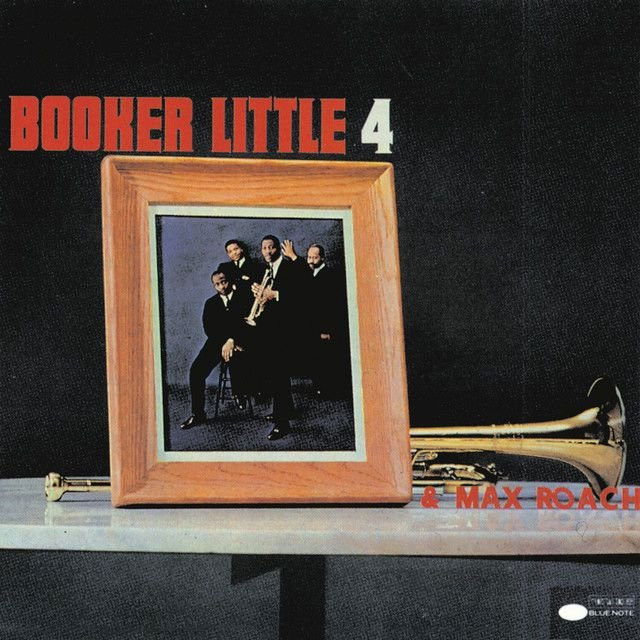
Why “Moonlight Becomes You” Feels So Tender
The meaning of Moonlight Becomes You Booker Little starts with a simple idea: someone looks so radiant in a certain moment that admiration turns into confession. Even though Booker Little is best known as a jazz trumpeter, his version leans on the emotional pull of a standard that was already famous for its soft romance. The song is not complicated on the surface, but that is part of its power.
"Moonlight Becomes You" - Booker Little
You certainly know the right thing to wear
Moonlight becomes you, I'm thrilled at the sight
Loading lyrics...
Unable to load lyrics
We're unable to display the lyrics at this time. Please try again later.
At heart, this is a love song about noticing how beauty and atmosphere work together. The speaker sees someone glowing in the night and feels pushed toward honesty. The key emotional move comes when they suggest that the moonlit setting helps, but does not create the feeling by itself.
A Love Song Built on Gentle Certainty
The lyrics open with admiration. The speaker describes how moonlight suits the other person, using phrases like moonlight becomes you
and the right thing to wear
. Before and after those lines, the idea is clear: this person seems naturally elegant, and the night only makes that elegance easier to see.
That matters because the song does not frame attraction as wild or reckless. Instead, it feels composed, polite, and sincere. The speaker is thrilled, but they are also careful. They are not declaring passion in a dramatic burst; they are moving toward it with grace.

Watch the official Moonlight Becomes You
music video
Dreaming, Desire, and Emotional Timing
A major image in the lyric is dreaming. When the song says someone is all dressed up to go dreaming
, it blends style, fantasy, and emotional openness. The line suggests more than clothing. It implies readiness for romance, or at least readiness for possibility.
The next emotional turn is invitation. With Mind, if I tag along?
, the speaker asks to join that dream-world rather than take it over. That question is important. It keeps the tone respectful and vulnerable.
Interpretation: This is one reason the song still feels sweet instead of dated. The speaker does not demand love. They ask for closeness and hope the feeling is shared.
The Real Message in the Hook
The chorus delivers the song’s central meaning. The speaker admits love, then qualifies it: It’s not just because
of the moonlight. In other words, the setting may encourage romance, but the emotion is real on its own.
That distinction gives the song depth. Many romantic standards celebrate a magical night. This one goes a step further and asks whether the feeling will remain once the mood fades. The answer is yes—or at least the speaker wants the listener to believe yes.
If I say, I love you
I want you to know
It’s not just because
there’s moonlight
Those brief lines are the song’s emotional backbone. They turn admiration into a claim of sincerity.
How Booker Little’s Jazz Reading Shapes the Meaning
Booker Little recorded during a short but highly respected career, and they remain admired for a lyrical trumpet sound and advanced harmonic sense. Facts about their career and recordings are widely noted by sources such as the Encyclopaedia Britannica and the Jazz Discography Project. In their hands, a song like this tends to feel less like theater and more like reflection.
That matters for interpretation. Even when a jazz artist performs a standard without singing every word, the melody still carries the lyric’s emotional logic. On trumpet, the long melodic arcs can sound like a held gaze or a hesitant confession. Soft phrasing, restrained tempo, and a warm ensemble setting all support the song’s core idea: love arriving quietly.
Why the Instrumentation Matters
In jazz ballad form, songs like this often depend on space as much as notes. A muted or gently voiced trumpet can suggest intimacy. Light rhythm section support can make the harmony feel suspended, like time slowing down under moonlight.
Interpretation: That suspended feeling mirrors the lyric’s emotional pause. The speaker wants to freeze a beautiful instant, then turn it into something lasting.
A Standard With Deep Roots
“Moonlight Becomes You” was written by James Van Heusen and Johnny Burke, one of the great songwriting teams of the American standard era. Their work is documented by reference sources including the Songwriters Hall of Fame and Encyclopaedia Britannica. Knowing that background helps explain the song’s polished simplicity.
These writers were experts at making everyday feelings sound elegant. Here, they use plain words, but the structure is very controlled. Repeated images of moonlight, dreaming, and dressing up create a world where romance feels both natural and ceremonial.
The rhyme scheme is tidy and memorable, which helps the song feel conversational rather than ornate. That smoothness is one reason jazz players embraced it. The melody leaves room for interpretation without losing the emotional center.
Two Strong Ways to Read the Song
There are at least two convincing readings of the meaning of Moonlight Becomes You Booker Little.
- Straight romantic reading: The speaker truly loves the person and uses the night as a gentle way to finally say it.
- Idealization reading: The speaker may be partly in love with the moment itself, trying to separate lasting feeling from temporary enchantment.
Both readings fit the lyric. The song itself raises the question by admitting the moonlight’s influence, then trying to move beyond it.
Why the Song Still Connects
What makes this song last is its modesty. It does not try to sound profound. Instead, it captures a familiar emotional truth: sometimes beauty in the world helps people say what they already feel.
For Booker Little, that tenderness fits especially well. Their musical voice often carried both warmth and thoughtfulness, so a standard like this can feel intimate without becoming sentimental.
Disclaimer: This interpretation is based on the published lyrics, the song’s standard-era context, and Booker Little’s performance style. As with any song, listeners may hear different meanings in the same music.







