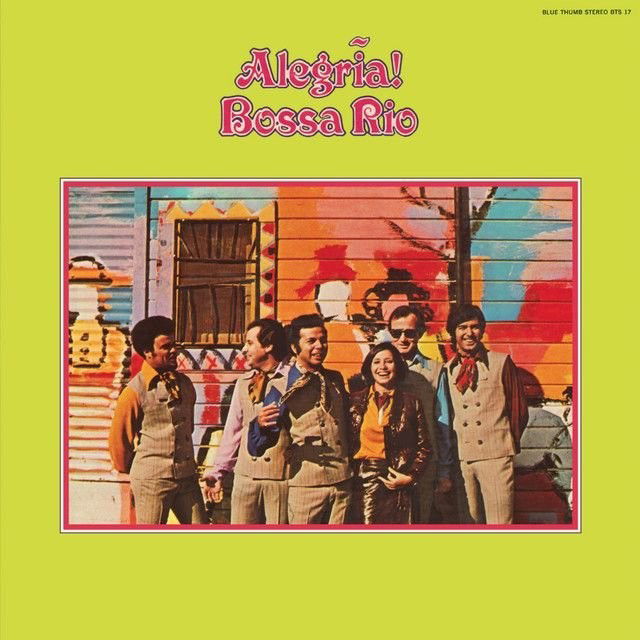
Spinning Wheel by Bossa Rio
Why This Song Still Turns Heads
The meaning of Spinning Wheel Bossa Rio comes down to a simple but lasting idea: life moves in cycles, trouble is temporary, and people have to learn how to let go. Even when the song sounds smooth and warm, its message is not shallow. It tells listeners that highs and lows are part of the same motion.
"Spinning Wheel" - Bossa Rio
Spinning Wheel got to go 'round
Talkin' 'bout your troubles
Loading lyrics...
Unable to load lyrics
We're unable to display the lyrics at this time. Please try again later.
Bossa Rio’s version matters because it places that message inside a Brazilian pop-jazz setting. The original song was written by David Clayton-Thomas and became widely known through Blood, Sweat & Tears. Bossa Rio, a Brazilian group associated with bright vocal harmonies and modern arrangements, gives the lyric a lighter, more flowing feel. That shift in sound changes the emotional effect without changing the core meaning.
Watch the official Spinning Wheel
music video
The Core Message Beneath the Motion
At its heart, the song says that life keeps moving whether people are ready or not. The opening idea, What goes up must come down
, frames the whole lyric. In plain terms, success, pain, joy, and confusion all pass through. Nothing stays fixed.
The recurring image of the wheel suggests fate, time, and repetition. When the lyric says got to go 'round
, it is not just describing movement. It is arguing that change is unavoidable. People can resist it, complain about it, or accept it, but the wheel keeps turning.
Interpretation: The song is partly advice and partly warning. It tells listeners not to build their identity on a temporary moment, whether that moment is good or bad.
Trouble, Complaining, and the Push to Grow
One of the song’s sharpest ideas is that talking about pain is not the same as healing it. The line about talkin' 'bout your troubles
sounds almost impatient. The lyric does not deny hardship. Instead, it suggests that staying stuck in complaint can become its own trap.
That is why the song pairs trouble with motion. The famous image Ride a painted pony
sounds playful, but it also feels unreal, like a carnival ride. A painted pony goes in circles without truly going anywhere. That makes it a clever symbol for habits people repeat while thinking they are moving forward.
So when the song says to let the wheel spin, it may be asking for surrender to a larger rhythm. It may also be mocking fake control. People often think they are steering life, while really they are clinging to a ride already in motion.
A Spiritual Turn in the Middle
The middle section changes the song from social advice to inner reflection. It asks whether the listener has found a true direction, using the image of a sign on a moral road. This is one of the song’s most important shifts. The problem is no longer just bad luck or money trouble. It becomes a question of self-knowledge.
The lyric then moves inward, suggesting that insight has to shine from within the mind. That makes the song feel almost spiritual. Instead of offering a practical fix, it points to perception. People need to see clearly before they can live clearly.
Did you find your directing signOn the straight and narrow highway
These lines present life as a search for guidance. The road image is familiar, but here it works because it links ethics, purpose, and personal clarity. The song asks listeners to stop blaming the wheel for everything and start reading the signs in front of them.
How Bossa Rio’s Sound Changes the Meaning
Bossa Rio’s arrangement is a major reason this song lands differently from more dramatic versions. Their style draws from Brazilian popular music, bossa nova touches, and soft jazz-pop textures. In practice, that means light percussion, elegant rhythm, and a calm vocal blend rather than a forceful, sermon-like delivery.
That matters because the lyric itself can sound stern. There are lines about having no money and being alone. In a harsher arrangement, those ideas might feel punishing. In Bossa Rio’s hands, they feel gentler, almost like wisdom shared over a steady groove.
Interpretation: The production turns the song from a scolding message into a graceful reminder. The wheel is still there, but it feels natural rather than cruel.
For context, Bossa Rio emerged from Brazil’s sophisticated studio scene of the late 1960s and early 1970s, where jazz harmony and pop arrangement often met in polished recordings documented by Discogs. That background helps explain why this version values flow, color, and ensemble balance.
Symbols That Hold the Song Together
Several images connect the whole lyric:
- The wheel stands for life’s repeating motion.
- The pony suggests illusion, entertainment, or false progress.
- The road sign points to moral or spiritual direction.
- The riverside hints at release, cleansing, and peace.
That final image is especially important. The song tells listeners to drop their troubles by the river. In simple terms, it ends by asking them to set down what they carry. After all the circling, the song finally imagines rest.
Final Take on the Meaning
The meaning of Spinning Wheel Bossa Rio is about accepting life’s cycles while searching for inner direction. It tells listeners that struggle is real, but endless complaint will not stop the turning. Growth comes from perspective, not panic.
Bossa Rio’s version deepens that message by wrapping it in warmth. Their Brazilian style makes the song feel less like a lecture and more like a gentle truth: life keeps moving, and people can either fight the motion or learn from it.
Disclaimer: This interpretation is based on the lyrics, known songwriting context, and the musical character of Bossa Rio’s recording. As with any song, listeners may hear meanings that differ from this reading.








