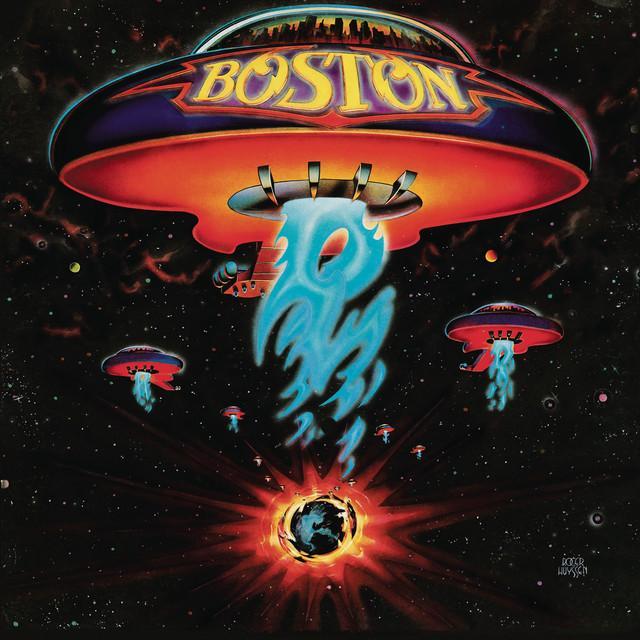
'More Than a Feeling': Boston's Portal to Yesterday
They’ve heard it a thousand times, but the rush never fades. The meaning of More Than a Feeling Boston comes down to one timeless spark: how a single song can open a door to the past so wide it feels real again.
"More Than a Feeling" - Boston
Turned on some music to start my day
I lost myself in a familiar song
Loading lyrics...
Unable to load lyrics
We're unable to display the lyrics at this time. Please try again later.
Nostalgia You Can Touch
At its core, the song is about music as a time machine. When the narrator hears an old tune, memories surge until he sees Marianne “walk away.” The short images—the sun was gone
, I lost myself
—set up a gray morning that brightens only when the record spins.
Interpretation: The chorus phrase more than a feeling
claims that nostalgia is not just sentiment. It’s almost physical—like being pulled into another room where the past is alive.
Watch the official More Than a Feeling
music video
Who’s Talking, and Why Marianne Matters
The narrator speaks in first person, addressing no one directly. He’s reflecting, not pleading. A name grounds the memory—Marianne walk away
—but she is less a character and more a symbol of youth, first crushes, and the ache of time.
Tom Scholz, the songwriter, has said the track was “written about a fantasy event” and about music taking people back to someone they lost. That lines up with how the lyrics keep things simple and universal, so any listener can plug in their own Marianne.
The Story in Three Beats
- A dull morning sets the mood:
the sun was gone
. - He plays a familiar song and drifts:
I lost myself
. - The chorus rises, and he relives the moment he saw Marianne go:
she slipped away
.
Everything that happens is internal. The action is memory and the setting is sound.
The Chorus Is the Key
More than a feeling
reframes the verses. It says these flashbacks are not weak nostalgia; they have weight. Interpretation: The hook insists that the bond between music and memory is powerful enough to rival real life, at least for a moment.
Symbols You Can See—and Hear
- Morning gloom: Signals emotional flatness before the song starts.
- Closing eyes: A cue for time travel and self-protection.
- Marianne walking away: The image the mind replays when the chorus hits.
Here’s the song’s emotional thesis, buried in two lines that bridge fatigue and escape:
When I'm tired and thinking cold I hide in my music, forget the day
He turns to music not just to remember, but to cope.
How the Sound Makes the Memory Feel Real
The production turns a private daydream into a stadium-sized rush. Scholz worked on the song for years and recorded most of the instruments himself in a home basement studio, then paired that perfectionism with Brad Delp’s soaring vocal power. The stacked guitars, clean harmonies, and dynamic lift into the chorus make the moment of recall feel airborne.
That blend of craftsmanship and emotion helped the 1976 single break through, peaking at #5 on the Billboard Hot 100. It also powered Boston’s debut album into the ranks of best-selling first albums in U.S. history. The song’s opening riff and bright, layered mix became a blueprint for arena rock. Even decades later, bands would nod to its chord movement and anthemic lift.
Influences, Intent, and Cultural Afterlife
Scholz has noted inspiration from the mood of 1960s baroque-pop like “Walk Away Renée,” which fits the song’s bittersweet glide. He also called it a fantasy many people recognize: losing someone important and letting music take you back. That’s why the lyrics name a person but leave the details open.
Culturally, “More Than a Feeling” keeps returning because it compresses a universal experience into one hook. TV and films use it to signal instant uplift or to mark a character getting swept up in memory. Its polish makes it radio-friendly; its ache makes it stick.
Alternate Ways to Hear It
- Interpretation: A breakup song. Marianne is a literal ex, and the narrator is stuck in replay.
- Interpretation: A mirror for listeners. Marianne is youth itself—carefree summers, first concerts—so the chorus mourns time passing, not just a person.
Both read the same lines differently. The lack of specifics invites either path.
Why People Still Feel It
Because it names what most people already know: nostalgia can hit like weather. The guitars flare, Delp lifts, and suddenly the past isn’t gone; it’s present tense. That is the meaning of More Than a Feeling Boston listeners return to year after year.
Final Note
This analysis blends reported context with informed interpretation. Listeners’ personal connections may lead to other valid readings.









