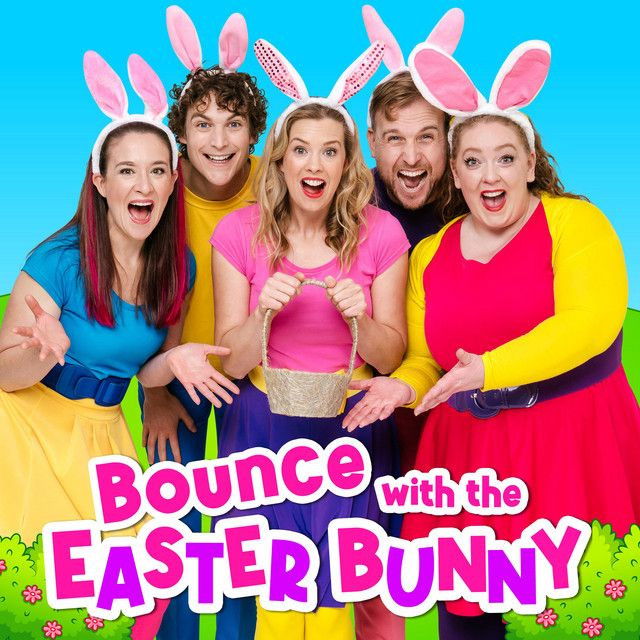
What 'Bounce Like a Bunny' Really Means
The meaning of Bounce Like a Bunny Bounce Patrol is simple on the surface and smart underneath. It is a children’s action song built to get kids moving, laughing, and copying easy animal behaviors. Rather than telling a story with conflict or change, it creates a shared play space where movement is the message.
"Bounce Like a Bunny" - Bounce Patrol
Hop and flop and bop like a bunny
Bounce and bounce and bounce like a bunny
Loading lyrics...
Unable to load lyrics
We're unable to display the lyrics at this time. Please try again later.
Bounce Patrol are known for upbeat songs for young children, and this track fits that mission. Written by Nicholas de Zilwa and Shannon Jones, the song uses direct action words, repeated phrases, and cheerful spoken encouragement to turn listening into participation. That design matters because the song works best when children do it, not just hear it.
More Than a Silly Animal Song
At its core, the song invites children to pretend. The repeated idea of bounce like a bunny
is not symbolic in a heavy way. It is literal first: kids are asked to move their bodies in a bunny-like way around the room.
But that plain idea carries a bigger purpose. Through pretend play, the song encourages imitation, rhythm, body awareness, and group fun. It gives children a safe role to step into for a few minutes. A bunny is soft, funny, and energetic, so it is a natural character for early childhood music.
Interpretation: The deeper meaning is not hidden drama. It is the value of playful embodiment. The song says that learning and joy can happen through motion, not only through words.
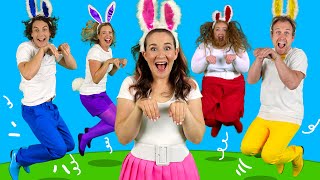
Watch the official Bounce Like a Bunny
music video
How the Lyrics Build Participation
The lyrics are made from short commands and simple images. Phrases like all around the room
and put your paws together
guide children step by step. That matters because very young listeners need clear cues they can hear and perform right away.
The song also uses body-part actions that are easy to recognize. Children are asked to imagine a tail, a nose, paws, ears, and bent knees. In other words, the song breaks bunny behavior into gestures small children can copy. That makes the track feel successful quickly, which is a big part of why action songs hold attention.
There is also constant reinforcement. Spoken lines such as let's bounce!
and excited praise keep the energy high. Instead of moving toward a final lesson, the lyrics keep returning to the same invitation. Repetition here is not a lack of depth. It is the teaching method.
The Chorus Is the Whole Point
Many songs use the chorus to summarize a story. Here, the hook is the activity itself. The recurring line about bouncing and the phrase hop and flop and bop
keep the focus on motion, sound, and rhythm.
That chorus does three jobs at once:
- It gives children the main action to remember.
- It creates a predictable structure.
- It turns the room into a group game.
Because the chorus repeats so often, every child can rejoin even if they missed a verse. That is a key part of the meaning of Bounce Like a Bunny Bounce Patrol: inclusion. No one needs to be perfect to participate.
Bunny Images and What They Suggest
The bunny image is playful, but it is also useful. Rabbits are familiar to children through books, toys, and cartoons. They are associated with softness, quick movement, and harmless excitement.
When the song mentions things like shake your little fluffy tail
, it helps children connect imagination with physical expression. The animal details are not there for storytelling realism. They are there to transform exercise into make-believe.
Interpretation: The bunny stands for permission to be silly in public. Children can jump, wiggle, and twitch because they are not just being noisy; they are “being bunnies.” That small layer of role-play makes movement feel creative rather than forced.
Why the Sound Matters So Much
Production is a big part of the song’s meaning. The beat is bright, steady, and easy to follow. The vocals are clear and enthusiastic, with space for children to process the instructions. Sound effects and spoken interjections like boing, boing
add cartoon energy.
This kind of arrangement supports action. A complicated melody or dense instrumental track would get in the way. Instead, the music stays simple, punchy, and repetitive, which helps children predict what comes next and move in time.
The performance style also matters. Bounce Patrol present the song with encouragement rather than distance. They sound like leaders in a group activity, not detached narrators. That tone turns the song into an invitation.
A Social Song Disguised as Exercise
One of the most useful ways to read the track is as a group-bonding song. It repeatedly uses inclusive language and shared action. Children are not asked to watch someone else be a bunny. They are asked to do it together.
That makes the song valuable in classrooms, playrooms, and family spaces. It helps organize energy while keeping the mood light. Kids practice listening, following cues, and moving with others.
Interpretation: Beneath the silly surface, the song celebrates collective joy. Its real success is not lyrical complexity but the way it turns a room full of children into one playful group.
Why It Connects So Easily
The song lasts in memory because it knows its audience well. It uses strong verbs, clear repetition, cheerful praise, and a lovable animal role. Everything points back to one goal: active engagement.
So the meaning of Bounce Like a Bunny Bounce Patrol is less about hidden symbolism and more about function. It is a song about pretending, moving, and belonging. In that sense, it does exactly what good children’s music should do: it makes participation feel irresistible.
Final Take
They can hear this song as a mini world of guided play. Its lyrics, sounds, and repeated cues all support movement, imagination, and togetherness.
That is the clearest meaning: not just bouncing like a bunny, but sharing a moment where everyone gets to join in.
Disclaimer: This interpretation is based on the lyrics provided, the song’s performance style, and common features of children’s action songs. Meaning can vary by listener and setting.









