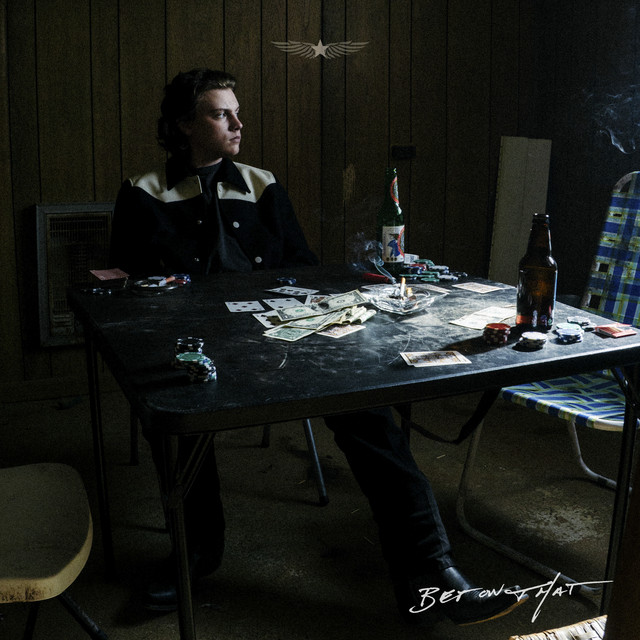
Bet On That by Blake Whiten
A breakup song about self-respect, not revenge
The meaning of Bet On That Blake Whiten centers on a simple but strong idea: they have been hurt, they have healed, and they will not go back. This is not a sad plea for another chance. It is a firm refusal.
"Bet on That" - Blake Whiten
You ain't gonna get a second chance
You already went and showed your hand
Loading lyrics...
Unable to load lyrics
We're unable to display the lyrics at this time. Please try again later.
From the first verse, the song frames love like a risky wager. The speaker says they are not the kind of person who keeps gambling on someone who already proved untrustworthy. When they mention showed your hand
, the lyric borrows poker language to say the ex already revealed their true character. That choice matters because it turns the breakup into a lesson about odds, judgment, and self-protection.
In plain terms, the song says: they gave this person enough time, enough feeling, and likely too much forgiveness already. Now they are done.
The narrator has moved from pain to clarity
A big reason the song lands is its emotional timeline. It does not pretend recovery was easy. The verses admit there was drinking, missing the person, and sitting in spaces filled with memory. But those details are there to show progress, not weakness.
When the chorus reaches finally got myself on track
, that is the emotional turning point. The speaker is no longer stuck in the breakup. They still remember the damage, but memory no longer controls the outcome.
A short story in three steps
The lyric unfolds like this:
- They remember being hurt and misled.
- They confess that moving on took time and effort.
- They draw a hard boundary when the ex tries to return.
That structure gives the chorus its force. By the time they say I wouldn't bet on that
, it does not sound impulsive. It sounds earned.
Why the gambling language fits so well
The song’s main metaphor is betting, and it runs through nearly every section. The speaker is not discussing money. They are talking about emotional risk.
Phrases about odds, dice, and doubling down present the ex as a bad investment. In other words, getting back together would mean ignoring evidence. The line about roll the dice
suggests that returning to this relationship would be reckless because the past already showed what would likely happen.
Interpretation: This gambling imagery also gives the song a modern country edge. It blends barroom realism with a life lesson. Drinking and betting are familiar country symbols, but here they are not used to glamorize heartbreak. They show how easy it is to mistake habit for hope.
The chorus turns pain into a boundary
The chorus is the heart of the track because it repeats the same message in stronger terms each time. The singer has been through emotional storms, and they are still standing. The phrase thunder and the lightnin'
works as shorthand for chaos, grief, and the rough stretch after a breakup.
There is also a domestic image that sharpens the message: the bed and the driveway. One points to old intimacy. The other points to the ex trying to return physically, maybe late at night, maybe after drinks, maybe hoping memory will do the work. The speaker rejects that script.
If you ever pulled up in my drivewayThinkin' that I'd take you backHoney, I wouldn't bet on that
That short moment sums up the whole song. The ex may believe access still exists, but the speaker says the door is emotionally closed.
“Whiskey words” and empty apologies
One of the most revealing details is the mention of whiskey words
. The phrase suggests late-night texts or drunken promises that sound emotional but have no weight behind them. The song treats those messages as predictable, not persuasive.
That helps explain why the speaker sounds so certain. They are not refusing love itself; they are refusing a pattern. The ex appears to repeat the same behavior every Friday night, almost like clockwork. This repetition makes the apology feel less sincere and more like ritual.
Interpretation: The song implies that the real betrayal was not just one act. It was the cycle of hurt, regret, and return. That is why no single message can fix it.
How the country production supports the meaning
Without overcomplicating it, the production likely matters a lot to how this song communicates. Blake Whiten works in a contemporary country lane that often mixes traditional heartache themes with radio-ready polish. Their official pages at Spotify and Apple Music place them in that rising country space.
In a song like this, listeners can expect a steady beat, guitar-forward backing, and a vocal that pushes confidence over fragility. Even the title phrase is built like a hook meant to hit hard and stick. The likely arrangement supports the lyric’s posture: grounded, direct, and a little bruised, but not broken.
The bar references and storm imagery also fit country storytelling traditions. They keep the song rooted in everyday spaces instead of turning it into abstract poetry. That plain style makes the message easier to trust.
Artist context and why listeners connect to it
The song was written by Blake Whiten, Joe London, Grant Averill, and Hoskins. That team builds a lyric that feels conversational enough to sound lived-in, while still being sharp and memorable.
Part of the appeal is that the song avoids melodrama. The speaker does not threaten, beg, or brag too much. They simply know better now. That kind of restraint is often what makes breakup songs feel strongest to country audiences in the United States.
The meaning of Bet On That Blake Whiten also connects because many listeners know this situation well: an ex comes back after the damage is done, hoping nostalgia will erase history. The song answers that fantasy with a calm no.
Final takeaway
At its core, this track is about choosing self-respect over relapse. It turns gambling language into a clear emotional rule: when someone has already shown who they are, going back is not romantic, it is risky.
Interpretation: The song’s real power is that it celebrates healing without pretending healing erased the scars. They remember everything. They just refuse to lose twice.
Disclaimer: This interpretation is based on the released lyrics, songwriting context, and musical cues. As with any song, listeners may hear meanings that differ from the artist’s private intent.








