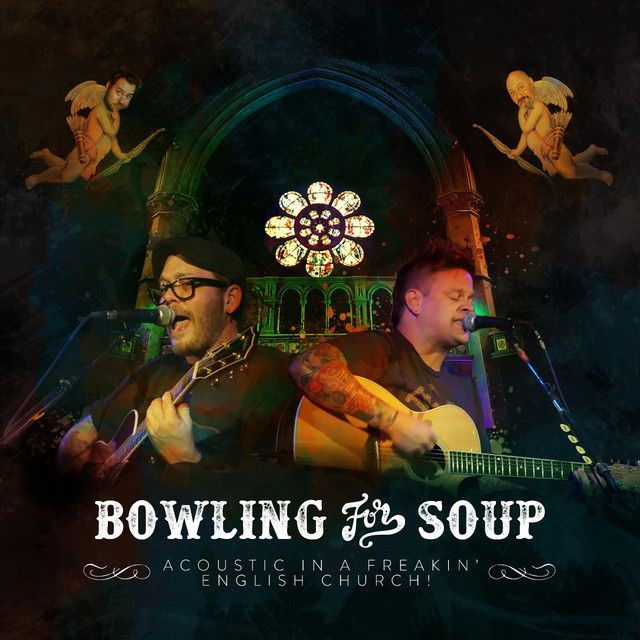
Why “1985” Hits Harder Than Its Joke
The meaning of 1985 Bowling for Soup is not just about missing the 1980s. It is about what happens when a person feels their life moved on, but part of them did not.
"1985" - Bowling for Soup
Provided by LyricFind(Woo-hoo-hoo)
(Woo-hoo-hoo)
Debbie just hit the wall, she never had it allLoading...Loading lyrics...
Unable to load lyrics
We're unable to display the lyrics at this time. Please try again later.
A Pop-Punk Time Capsule With a Sad Center
Bowling for Soup turned “1985” into one of the most memorable nostalgia songs of the 2000s. Their version appeared on A Hangover You Don’t Deserve in 2004, and the band is widely credited with making it a mainstream hit after the song was first recorded by SR-71. The writing credits often include Jaret Reddick along with Mitch Allan, while published credits for the original song history also connect it to SR-71’s camp.
At its core, the song follows Debbie, a woman who feels she has fallen short of the exciting future she imagined when she was young. The opening sets up that gap fast. She has a stable adult life, but the song frames it as emotionally empty. When it says Debbie just hit the wall
, it points to burnout, disappointment, and a sudden awareness that time has passed.

Watch the official 1985
music video
Debbie as a Symbol, Not Just a Character
Debbie matters because she is drawn as a type. She is not only one suburban mother; they present her as someone many listeners can recognize. She once imagined fame, sex appeal, and a life shaped by pop culture fantasy. Instead, she ended up with routines, responsibilities, and a feeling that her best self got left behind.
That is why details like Prozac, a CPA husband, and a family SUV matter. They are not there to mock ordinary adulthood by itself. Interpretation: they show how even a decent, safe life can feel crushing when it does not match the story someone told themselves at 17.
The lyric phrase what happened to her plan?
is the emotional engine of the whole song. It asks a question many adults quietly ask themselves.
Why 1985 Becomes Her Escape Hatch
The chorus turns the year into more than a date. It becomes a fantasy zone. By naming stars and media from the era, the song shows how Debbie uses old pop culture as a safe place where she still feels young, stylish, and full of possibility.
When the song says music still on MTV
, it is not only making a joke about programming changes. It is using MTV as shorthand for a world that felt exciting, youth-driven, and culturally shared. Likewise, references to John Hughes movies, Wham!, Duran Duran, and Van Halen help paint a full memory palace of the 1980s.
Interpretation: Debbie is not really longing for one exact year. She is longing for the last moment before adult compromise fully arrived.
The Chorus Works Because It Is Both Funny and Uncomfortable
The hook is catchy because it sounds like a party chant. But its emotional function is darker. Debbie is still preoccupied
with a past version of cool, and her kids now see that fixation as embarrassing.
That family detail matters. The song does not just say she misses old bands. It shows a generational clash: the world moved on, her children belong to the new culture, and she cannot fully join them. She is old enough to be judged by the same kind of teenagers she once was.
Springsteen, Madonna
way before Nirvana
This short section captures how the chorus builds a timeline of identity. It places Debbie before grunge, before reality TV, before the culture shifted away from the glossy pop world she still loves.
How the Verses Turn Nostalgia Into a Midlife Crisis
The second verse expands the joke into a diagnosis. Debbie knows every line from old teen movies. She still measures coolness by the standards of her youth. She dislikes newer acts and cannot keep up with changes in rock lineups or television trends.
Then comes the sharpest comic line in the song: When did reality become TV?
Behind the joke is a real complaint. The culture she trusted to define fun and style has changed so much that it feels alien to her.
Later, when she asks when Mötley Crüe became classic rock, the song reveals the true fear underneath her nostalgia: if her music is now “classic,” then she is no longer young. The problem is not only media change. It is aging itself.
Why the Sound Makes the Story Easier to Swallow
Part of the brilliance of “1985” is musical contrast. The track is fast, bright, and built like a pop-punk singalong, with punchy drums, crunchy guitars, and a bouncy vocal performance. That energy keeps the song from becoming heavy-handed.
Because the production feels fun, listeners can sing along before fully noticing how sad the story is. The band’s playful delivery also softens what could have been cruel. They are teasing Debbie, but they are also giving her a huge, catchy anthem.
Interpretation: the sound mirrors the theme. Nostalgia itself often works this way: it feels warm and exciting on the surface, even when it is really covering pain.
The Bigger Meaning of 1985 Bowling for Soup
The meaning of 1985 Bowling for Soup is about more than one woman missing old songs. It is about the distance between youthful fantasy and adult reality. It is about the temptation to treat pop culture as a time machine. And it is about how aging can feel less like growing up and more like waking up in somebody else’s life.
That is why the song has lasted. Even listeners who never lived through 1985 can understand Debbie’s problem. They know what it means to look back at an earlier self and wonder where that person went.
Final Take: A Joke Song With Real Feeling
“1985” endures because it balances mockery, empathy, and a perfect hook. It laughs at nostalgia, but it also understands why people need it. In that sense, Debbie is not just a punchline. She is a warning about living in the past, and a sympathetic picture of how easy that can be.
Disclaimer: This interpretation separates factual context from critical reading. As with most songs, meaning can vary by listener.