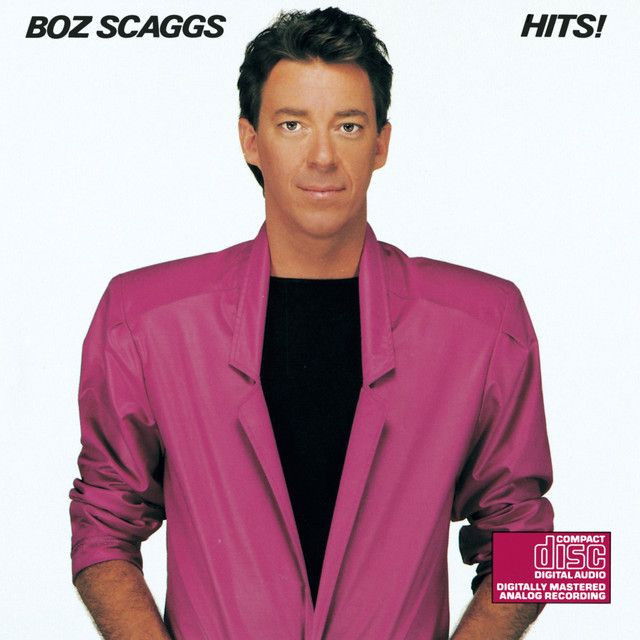
Jojo by Boz Scaggs
A slick groove with a dark center
The meaning of Jojo Boz Scaggs starts with a contrast: the song sounds smooth, polished, and even a little glamorous, but its story is not glamorous at all. Released in 1980 as a single from Middle Man, “Jojo” became a Top 20 hit, reaching No. 17 on the Billboard Hot 100. It was written by Boz Scaggs, David Foster, and David Lasley, and produced by Bill Schnee and Scaggs. Those factual details are widely documented in reference sources and song databases, including Wikipedia and Songfacts.
"Jojo" - Boz Scaggs
Jojo's got his gun
He wouldn't mean to, but
Loading lyrics...
Unable to load lyrics
We're unable to display the lyrics at this time. Please try again later.
At its core, the song sketches a dangerous street figure moving through nightlife, money, and control. Most listeners hear Jojo as a pimp, and that reading fits the lyric details and the song’s setting. The words describe someone flashy, violent, and casual about power. They also hint at how nightlife can hide exploitation behind bright surfaces.

Watch the official Jojo
music video
Who Jojo is in the song’s world
Rather than telling a full plot, the lyric builds a character study. Jojo is introduced as someone people should fear. Early on, the warning Jojo's got his gun
makes that clear. The song does not frame him as a hero. It presents him as a man whose charm and danger exist at the same time.
That mix matters. Jojo is not only threatening; he is also stylish and socially visible. The song places him among signs of city excess, including spinning lights
and Broadway nights
. Those details make him feel at home in a world of neon, hustle, and spectacle. He is part of the show, but he is also what makes the show ugly.
Interpretation: The song is not praising Jojo. It is showing how a person can seem impressive on the outside while living off fear and exploitation underneath.
The main theme: glamour covering violence
One of the smartest things about “Jojo” is how it links glamour and menace. The music glides, but the lyrics keep pointing to control, money, and danger. The line about getting someone what they want for cash suggests illegal or exploitative access. Another lyric turns to the woman in Jojo’s orbit and says he keeps her dependent and on the street
. That is one of the clearest signs that the song is about pimping, not just generic nightlife.
There is also a sharp moral angle in the repeated idea that all the dizzy pleasures are “below him.” Jojo sees himself as above the people and places around him. He takes part in the scene, but he also acts superior to it. That arrogance is part of his threat.
Gentle and soft
but who'd just as soon off you
for looking the wrong way as not
This is the song’s key idea in miniature. It says Jojo can appear smooth or mild, yet react with violence at almost nothing. In plain terms, the lyric exposes the lie of his polished image.
How the lines connect to the bigger message
Several lyric ideas keep returning, and they all point to the same theme:
- Warnings: The song opens and closes with caution, telling people to watch out.
- Nightlife imagery: Lights, Broadway, and flashy scenes suggest excitement.
- Control and commerce: Jojo sells access and controls others.
- False gentleness: He can seem refined, but that surface is unreliable.
Taken together, these details create a portrait of predatory masculinity. Jojo is not simply a “bad guy” in a movie-like sense. He represents a system where status, sex, money, and fear work together.
Why the music sounds so good on purpose
Part of the meaning of Jojo Boz Scaggs comes from its sound. Songfacts notes that Scaggs said the music began with David Foster, with Scaggs writing words over Foster’s groove. That origin helps explain why the track feels so musically confident. It rides on a polished West Coast pop-soul style, with players including David Paich, Jeff Porcaro, Steve Lukather, David Hungate, and Lenny Castro listed by Songfacts.
That lineup matters because the performance is tight, sleek, and deeply rhythmic. The keyboards shimmer. The drums and bass move with ease. The guitar accents add polish rather than chaos. Everything sounds expensive and controlled.
Interpretation: That smooth production is not a mismatch with the lyric. It is the point. The song puts a dark character inside a seductive groove so listeners feel the same trap the lyric describes: danger dressed up as style.
Artist context helps explain the approach
Boz Scaggs had already shown a gift for character-driven songs, and “Jojo” fits that strength. It arrived after Silk Degrees had made him a major name and during a period when he was mixing pop, soul, and sophisticated studio craft. Middle Man continued that sound, and “Jojo” sits right in that lane: catchy enough for radio, but specific enough to feel like a short film.
The song’s chart success also says something about its reach. A track with such a murky central figure still crossed over to mainstream pop audiences. That likely happened because listeners could latch onto the groove first, then notice how sharp the writing really was.
A second way to hear the song
There is another possible reading worth mentioning. Interpretation: Some listeners may hear Jojo as more than one man. He can stand for a whole nightlife culture built on vanity, performance, and hidden harm. In that view, the repeated references to lights, fashion, and show-business surfaces turn Jojo into a symbol of urban corruption.
Still, the lyric details are concrete enough that the direct character reading remains the strongest one.
The lasting takeaway
The meaning of Jojo Boz Scaggs is the exposure of a man who thrives where glamour and cruelty meet. The song watches him move through a bright city world, then strips away the shine. What remains is control, exploitation, and the threat of violence.
That is why “Jojo” still works. It is catchy, but not shallow. It sounds elegant while describing something rotten. That tension gives the song its staying power.
Disclaimer: This interpretation is based on the released lyrics, documented song credits, and widely cited background sources. As with most songs, some meaning remains open to listener interpretation.








