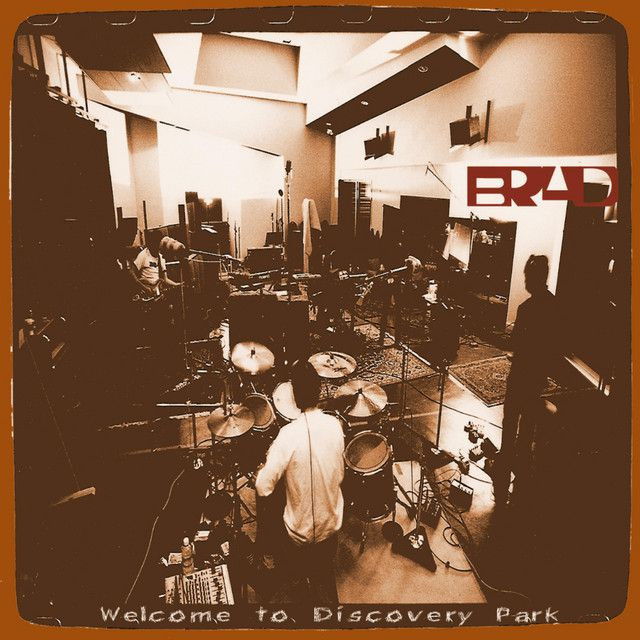
Why “La, La, La” by Brad Feels Like a Promise
For listeners searching for the meaning of La, La, La Brad, the song feels less like a simple jazz tune and more like a conversation held in the dark. It opens with fear, moves through loneliness, and then reaches for a vision of peace. Even when some lyrics are fragmentary, the emotional path is clear: the speaker starts in dread and answers that dread with the hope of belonging somewhere better.
"La, La, La" - Brad
I get this feeling when I wake up late at night
Yeah you know, you ever wake up
Loading lyrics...
Unable to load lyrics
We're unable to display the lyrics at this time. Please try again later.
Brad, the Seattle band led by Shawn Smith, often blended alternative rock, soul, and jazz touches into music that felt intimate and spiritually restless. That broader band history matters here, because “La, La, La” carries the same mix of earthiness and uplift. The writing is credited in the provided context to Esham Smith and Michael Puwal, and the song’s loose, reflective style fits that searching mood.
A Night Song About Fear and Rescue
At its core, this song appears to be about surviving emotional terror by imagining connection. The opening image is striking: waking in the night with a frightened feeling deep inside. The speaker does not hide panic. Instead, they admit to it plainly, then push toward comfort.
That is why the repeated promise matters so much. When the song says pretty soon
and then points toward be with us
, it sounds like an invitation out of isolation. Interpretation: that “us” could mean loved ones, a spiritual community, or even the dead, depending on how a listener hears the song. The lyric keeps it open, which gives it power.
The song also imagines a place where there is no prison, hate, hunger, or greed
. That line widens the meaning beyond one person’s sadness. This is not only private pain. It is also disgust with the broken world. The comfort being offered is emotional, social, and maybe spiritual all at once.
Watch the official La, La, La
music video
Who Is Speaking in “La, La, La”?
The voice shifts in an interesting way. It begins in first person, with someone confessing fear and coldness. Then it turns outward, almost like a guide speaking to another person in crisis.
From confession to invitation
The speaker says they feel lonely and need warmth, then asks what someone should do when everything seems to be closing in. The answer is practical before it is mystical: dig in your heels
. In other words, endure. Stay grounded. Hold on.
After that, the song returns to the promise of light. When it says lights are gonna shine on us
, the image suggests grace, relief, or recognition. The line does not solve the pain instantly, but it insists that darkness is not the final state.
The Chorus Turns “La La La” Into More Than Filler
On paper, a repeated “la la la” might look carefree. In this song, it works differently. It feels like wordless release.
Because the verses carry fear, coldness, and uncertainty, the nonspecific refrain acts almost like a breath between heavy thoughts. It is not denial. It is a soft sound used to hold difficult emotion without fully explaining it. That can make the song feel strangely comforting.
“La la la”
“La la la”
This short refrain matters because it strips language down to its simplest form. Interpretation: when words fail, melody takes over. The song seems to say that healing may begin before a person can explain what hurts.
Images of Toys, Light, and a Better Place
One of the most unusual moments is the instruction to bury one’s favorite toys
. That image can suggest leaving childish attachments behind, accepting mortality, or giving up false comforts. It is gentle and eerie at the same time.
The contrast between childhood imagery and the larger social evils named in the chorus creates tension. A toy is small and personal; hunger and greed are huge and public. Together, they make the song feel like a bridge between inner life and the wider human condition.
Light is the other major symbol. The repeated shining lights imply safety after confusion. Since the song starts at night and in fear, light becomes more than scenery. It stands for reassurance, understanding, and perhaps transcendence.
How the Sound Supports the Meaning
The provided context labels the song as jazz, and that matters to the interpretation. Jazz-influenced songs often leave space for uncertainty, and “La, La, La” seems to use that openness well. Rather than sounding rigid or overly dramatic, the track likely lets its chords and vocal phrasing drift a little, which fits lyrics about fear and surrender.
Brad’s music more broadly is known for emotional looseness rather than hard-edged polish, as reflected in summaries of the group’s discography. That kind of approach helps a song like this land. The meaning depends on atmosphere as much as direct statement.
A soft groove, repeating phrases, and gentle melodic release would all support the central message: pain is real, but so is the possibility of comfort. The title phrase becomes part mantra, part lullaby.
Two Strong Readings of the Song
There is more than one reasonable way to hear the meaning of La, La, La Brad:
- Spiritual reading: the song points toward an afterlife or a peaceful realm beyond suffering, especially through the promise of a place without hate or greed.
- Emotional survival reading: the “us” is the community of people who endure pain together, and the song offers solidarity rather than literal escape.
Both readings fit the lyrics. The strength of the song is that it never forces a single answer.
Why the Song Still Stays With People
What makes “La, La, La” memorable is its balance of dread and tenderness. It begins with fear in the middle of the night, then answers that fear with persistence, companionship, and imagined light. Even the vaguer lines add to that dreamlike quality.
For many listeners, the meaning of La, La, La Brad comes down to this: when life feels cold, chaotic, or spiritually empty, the song offers a small but steady promise that no darkness lasts forever.
Disclaimer: This interpretation is based on the lyrics provided, available artist context, and musical analysis. As with many poetic songs, meaning can remain open to individual listeners.









