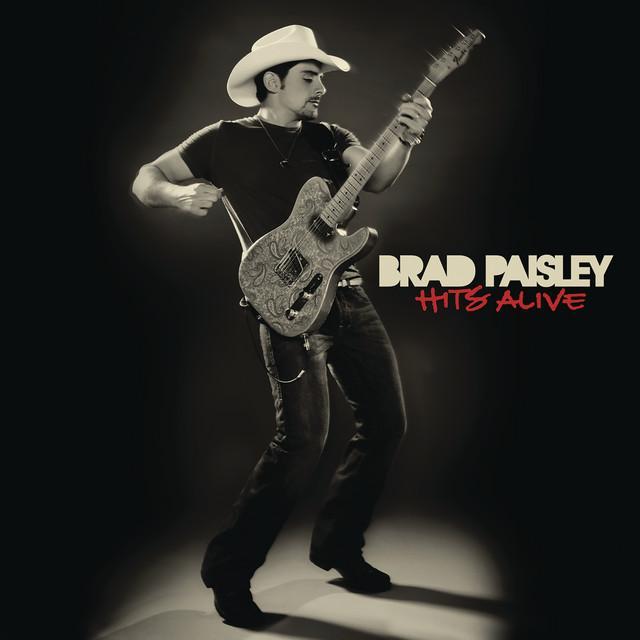
Why 'Whiskey Lullaby' Hurts So Much
The meaning of Whiskey Lullaby Brad Paisley, Alison Krauss comes down to one brutal idea: some wounds do not stay in the past. This song is not just about a breakup. It is about how shame, grief, and alcohol turn emotional pain into a fatal cycle.
"Whiskey Lullaby" - Brad Paisley ft. Alison Krauss
She broke his heart, he spent his whole life tryin' to forget
We watched him drink his pain away a little at a time
Loading lyrics...
Unable to load lyrics
We're unable to display the lyrics at this time. Please try again later.
Released by Brad Paisley with Alison Krauss on Mud on the Tires in 2003, the song was written by Bill Anderson and Jon Randall. It later became one of Paisley's most acclaimed singles, and its impact owes a lot to the way the story is told with near-folk simplicity and devastating restraint.
A breakup ballad that becomes a tragedy
At first, the song sounds like a familiar country setup. A man is left behind and cannot recover. But the writing quickly makes clear that this is not ordinary heartbreak. The opening image compares him to a discarded cigarette, then shows him trying to numb himself by drinking.
That matters because the song treats alcohol as a failed cure. When the lyric says drink his pain away
, it is not offering relief. It is showing a routine of slow self-erasure. The same pattern later returns for the woman, which gives the story its chilling symmetry.
Interpretation: The song's real subject is not romance alone. It is the damage people do when they cannot process loss, guilt, and loneliness in a healthy way.
Watch the official Whiskey Lullaby
music video
The plot moves like a quiet witness statement
One of the strongest choices in the lyric is the point of view. The narrator says we watched him
and later describes finding each person after death. That makes the story feel communal. Their pain is private, but their collapse is visible to others.
The story in four steps
- He is abandoned and spirals into heavy drinking.
- He dies by suicide, leaving behind a final declaration of love.
- She lives with guilt and hides her own drinking for years.
- She dies the same way, and they are buried side by side.
Because the same structure repeats, the song implies that heartbreak damages both people, even if in different ways. He is crushed by loss. She is crushed by blame.
Life is short
but this pain feels larger,
stronger than either of them,
and stronger than their will to rise.
That brief turn is the emotional center of the song. It suggests that despair has grown beyond what they can manage.
Why the chorus is so haunting
The title phrase is the song's darkest piece of irony. A lullaby should bring comfort and sleep. Here, the lullaby is tied to whiskey, which stands in for sedation, escape, and death. Even the repeated la, la, la
sounds gentle on the surface, but in context it becomes eerie.
The effect is important. Instead of a loud, dramatic chorus, the song drifts. That softness makes the tragedy feel colder. It is as if the song is rocking both characters toward an end they can no longer resist.
Interpretation: The title suggests false comfort. Whiskey acts like a cradle song, but it does not heal anything. It only delays pain until it returns worse than before.
Symbols that deepen the meaning
The songwriting uses a few simple images, and each one carries weight.
Bottle, pillow, willow
The bottle is both a literal object and a symbol of dependence. When each character turns to it, they are really turning away from life.
The pillow image makes both death scenes feel intimate and painfully domestic. Nothing about the setting is glamorous. The tragedy happens in ordinary rooms.
Then there is the willow. In American song tradition, willow trees often suggest mourning and sorrow. When the lyric places them beneath the willow
, it gives the story a mournful final resting place, almost like a folk ballad passed down through generations.
How the sound carries the story
The production is a huge part of why the song lands so hard. It stays slow, spacious, and acoustic-forward, with a gentle country arrangement that leaves room for the narrative. There is no need for flashy hooks because the emotional weight comes from the stillness.
Paisley's delivery is restrained. He does not oversing the pain, which makes the first half more believable. Krauss brings a fragile, almost angelic tone to the second half, and that choice changes the song's emotional temperature. Her voice sounds less like a reply than an echo.
Together, they create a call-and-response across death and memory. That is one reason the duet works so well: they do not sound like two stars competing. They sound like two sides of the same wound.
Artist context makes the song even richer
Brad Paisley is often associated with wit, virtuoso guitar playing, and modern country storytelling. Alison Krauss is known for purity of tone and bluegrass-rooted melancholy. Pairing them gave the song both grounded country realism and a nearly spiritual sadness.
That blend helped the track stand out in early 2000s country. It fit radio, but it also felt older than its era, closer to a murder ballad or Appalachian lament than a standard Nashville single. That timeless quality is a big part of its staying power.
The clearest takeaway
The meaning of Whiskey Lullaby Brad Paisley, Alison Krauss is that heartbreak becomes most dangerous when mixed with shame and isolation. The song shows two people who cannot escape memory, and who mistake numbness for relief.
It remains powerful because it never tries to make their suffering pretty. It tells a sad story plainly, lets the music breathe, and trusts listeners to feel the silence around it.
Disclaimer: This interpretation is based on the song's lyrics, performance, and widely known release context. Like any narrative song, listeners may hear different shades of meaning.








