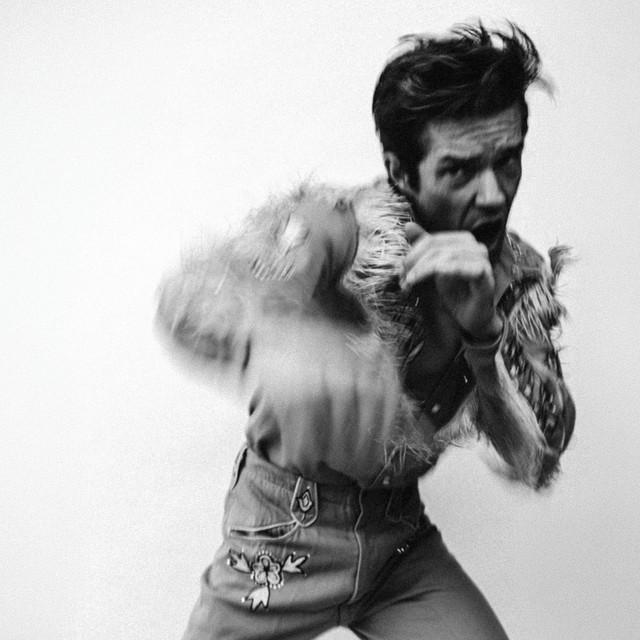
Plans by Brandon Flowers
Brandon Flowers’ “Plans” is a song about what happens when early dreams survive adulthood, even after life seems to bury them. The meaning of Plans Brandon Flowers centers on memory, regret, and a quiet kind of renewal. Instead of treating youthful ambition as foolish, the song suggests those old hopes can still travel with a person, even after heartbreak and detours.
"Plans" - Brandon Flowers
That we watched fall from January windows
In our homeroom class
Loading lyrics...
Unable to load lyrics
We're unable to display the lyrics at this time. Please try again later.
Flowers released “Plans” as the lead single from THRASHER, his first solo album in more than a decade. Coverage from Songfacts and Stereogum notes its country-western turn and Flowers’ sole writing credit. That matters, because the song feels personal: less like a grand statement and more like a roadside confession.
The Heart of the Song: Dreams That Outlast Time
At its core, “Plans” is about the distance between who they thought they would become and who they are now. The opening verse starts in a classroom, looking back on winter, teachers, and the strange way adult lives can drift far from expectation. When Flowers mentions people ending up far from the plans they once made, he is not mocking them. He sounds moved by it.
That idea then turns inward. The narrator remembers leaving home, chasing possibility, and trusting motion itself. The phrase three lane headed south
gives that memory a map-like feel. It is not just travel; it is escape, self-invention, and belief.
A Story Told Through Motion and Memory
The song unfolds in a simple but effective timeline:
- They remember school and the first sight of disappointed adulthood.
- They recall leaving, full of confidence and hunger.
- They admit they did not understand how hard life would be.
- They ask for care in the present.
- They return to the road carrying those old plans again.
That structure is why the song lands so well. It moves from innocence to damage, then from damage to a guarded kind of hope.
The Chorus Changes the Meaning
The chorus is where the song stops being only nostalgic. The speaker asks for comfort, saying the heart has been shaken by noise, ambition, and pressure. The image of an all you got engine
captures a life lived at full speed, always pushing toward the next stage, the next performance, the next big moment.
In that sense, the song is not only about old dreams failing. It is also about newer ambitions becoming so loud they drown out
the original self. The “big show” can mean fame, success, adulthood, or any life built on momentum. Interpretation: Flowers may be asking whether achievement can become its own distraction.
Images That Carry the Emotion
“Plans” uses small, vivid images instead of complicated metaphors. Snow seen from classroom windows suggests childhood distance: they watched life before they lived it. The road and desert wind suggest freedom, but also seduction. The wind seems to promise meaning whether or not that promise is real.
One of the strongest ideas is that memory arrives like music. Near the end, the narrator wants to let events play out like a melody
. That line reframes the whole song. Memory is no longer a fixed photo. It becomes something flowing, emotional, and unfinished.
Tonight, I'm on the road
With the plans I drew up years ago
Those lines do not sound triumphant in a simple way. They sound older, wiser, and still a little bruised. But they also suggest that the plans were never fully lost.
How the Country Sound Deepens the Meaning
The production is central to the song’s message. Reports on the single describe acoustic guitar, piano, harmonica, strings, and country textures, with Shawn Everett and Jonathan Rado producing. That softer palette changes how Flowers’ voice works. Instead of the bright, arena-sized lift heard in much of The Killers’ catalog, “Plans” gives him room to sound reflective and human-sized.
This is a smart fit for the lyric. Country and western music often deals in roads, memory, weather, family, and the gap between dreams and outcomes. “Plans” leans into that tradition without sounding like costume play. The arrangement supports the song’s plainspoken honesty.
There is also a useful contrast here. Flowers has long been associated with grandeur and widescreen emotion. In “Plans,” that instinct remains, but it is restrained. The result is a song that feels intimate while still carrying dramatic weight.
Artist Context Matters Here
Flowers’ recent work has often been interested in place, family history, and the stories ordinary people tell themselves in order to keep going. “Plans” continues that thread. Songfacts reported that Flowers drew inspiration from his father’s music tastes, which helps explain the song’s classic country framing.
That context adds depth to the meaning of Plans Brandon Flowers. The song is not just about career dreams. It is about inheritance too: what people learn about adulthood from parents, teachers, hometowns, and old records.
The Most Plausible Readings
Interpretation 1: The song is about revisiting childhood ambition after years of compromise. The final road image suggests a return, not to innocence, but to purpose.
Interpretation 2: It is also about fame’s emotional cost. References to the “big show” and the engine’s thunder hint that success can overwhelm a person’s original values.
Both readings can be true at once. That blend is what makes “Plans” moving. It understands that people can love the life they built and still grieve the one they imagined.
Why “Plans” Stays With Listeners
What makes “Plans” powerful is its lack of bitterness. It admits disappointment, but it does not stay there. It treats old dreams with tenderness. Even after the damage, they remain worth carrying.
That is why the song feels less like a breakup with the past and more like a reunion with it. The road at the end is not escape all over again. It is acceptance in motion.
Disclaimer: This article offers interpretation based on the lyrics, available release coverage, and musical context. Song meaning can remain open, and listeners may hear it differently.







