Everything I Own by Bread
A soft-rock ballad with a hidden grief
When people search for the meaning of Everything I Own Bread, they often expect a breakup song. That is understandable. On the surface, it sounds like someone mourning a lost romance and wishing for one more chance.
"Everything I Own" - Bread
Kept me warm, kept me warm
You gave my life to me
Loading lyrics...
Unable to load lyrics
We're unable to display the lyrics at this time. Please try again later.
But the deeper story is more personal. David Gates wrote the song as a tribute to his father, who died in 1963, years before Bread reached its biggest success. According to American Songwriter, Gates said he wanted the lyric to work as a love song while still carrying that private meaning. That choice explains why the song feels both specific and universal.
Watch the official Everything I Own
music video
What the song is really saying
At its core, the song is about gratitude, loss, and regret. The narrator looks back on a person who offered safety, guidance, and love. Phrases like sheltered me from harm
and set me free
show that this person did more than comfort them. They shaped their life.
The chorus then turns memory into longing. The speaker says they would trade all they have for one more moment with that person. In plain terms, the song captures a common feeling after bereavement: people realize the full worth of someone only when that person is gone.
Interpretation: Even though Gates wrote it about his father, the lyric stays open enough to include a parent, partner, mentor, or any loved one whose absence changed everything.
Why the father reading matters so much
Knowing the backstory changes how the verses land. A line like you taught me how to love
sounds romantic at first. In context, it can also describe a parent teaching values through example rather than speeches.
That idea fits another key detail: the song praises quiet care. The loved one is not described as flashy or dramatic. Instead, they are remembered for protection, example, and emotional steadiness. That is one reason the song feels so believable.
Gates also explained that his wife immediately understood the father connection when she heard it, as reported by American Songwriter. That brief anecdote matters because it suggests the emotion was strong enough to come through even under the song’s broad wording.
How the verses build the emotional arc
The song moves in a clear pattern:
- It starts with thanks for care and protection.
- It expands into lessons about love and character.
- It reveals a wound that has never fully healed.
- It ends by warning listeners not to take love for granted.
That final turn is especially powerful. The song stops being only private grief and becomes advice. The narrator basically tells listeners: say what you need to say now, because absence can arrive without warning.
taking them all for granted
lose them one day
the words you long to say
Those brief phrases distill the song’s moral center. It is not just mourning the dead. It is about the pain of delayed appreciation.
The sound of tenderness, not spectacle
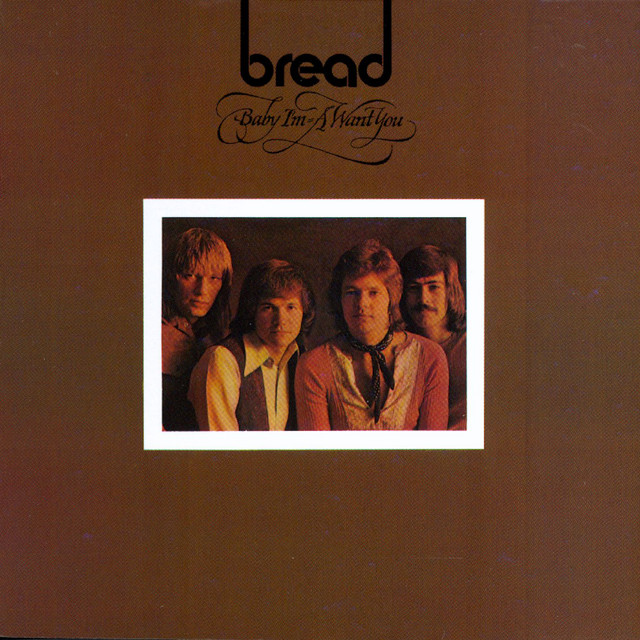
Bread recorded the song for the 1972 album Baby I'm-a Want You, and it was released as a single on January 29, 1972. It reached No. 5 on the Billboard Hot 100, according to Wikipedia’s summary of the release history. Those facts matter because they show how a deeply personal song became a major pop hit.
The production helps explain why. Bread worked in a soft-rock style built on clarity, melody, and emotional restraint. This song does not push grief with huge drama. Instead, it uses a smooth arrangement, a steady pulse, and a gentle vocal that feels close to the listener.
Research summarized by American Songwriter notes Larry Knechtel’s harpsichord part and Gates’ vocal shift from tender verses to a stronger refrain. That contrast mirrors the lyric. The verses remember; the chorus aches.
Why listeners hear more than one meaning
One reason the song has lasted is its double reading. Without the backstory, the words sound like romantic loss. With the backstory, they sound like a son speaking to his late father. Both readings work because the emotional logic stays the same.
Interpretation: This ambiguity is not a flaw. It is the song’s design. Gates wrote from a real wound, but he left enough space for listeners to place their own losses inside it. That is why the song has been covered so often across genres and decades.
The lasting meaning of Everything I Own Bread
The meaning of Everything I Own Bread comes down to a simple but painful truth: love is often understood most clearly in absence. The song honors someone who gave warmth, freedom, and an example worth following. It also warns that gratitude should not wait until it is too late.
That mix of thankfulness and regret is what gives the ballad its staying power. They hear a love song, a family tribute, and a lesson about appreciation all at once.
Disclaimer: This interpretation combines documented songwriter comments with close lyrical reading. As with many classic songs, listeners may connect with meanings beyond the artist’s stated intent.







