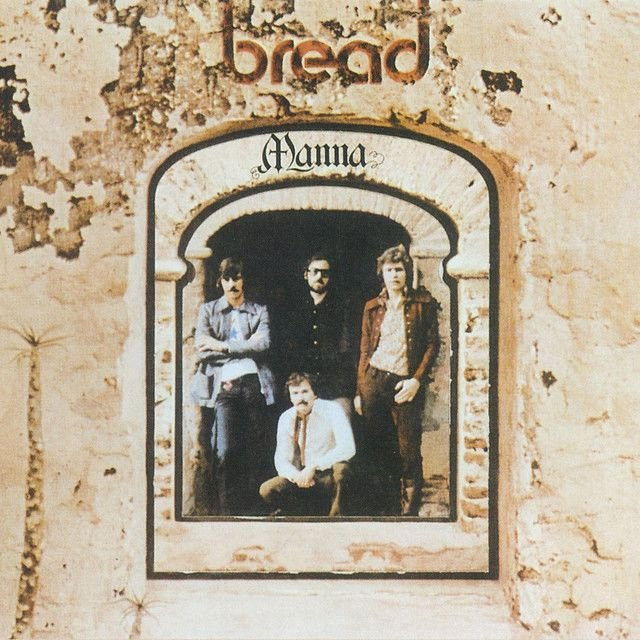
If by Bread
The meaning of If Bread starts with a simple problem: how do they describe a love that feels bigger than language? Bread’s ballad answers by admitting defeat. Instead of pretending words are enough, the song shows how every comparison falls short, and that is exactly what makes it moving.
"If" - Bread
Then why can't I paint you?
The words will never show the you I've come to know
Loading lyrics...
Unable to load lyrics
We're unable to display the lyrics at this time. Please try again later.
Written by David Gates and recorded by Bread, If became one of the group’s signature soft rock love songs. Its power comes from understatement. Rather than using dramatic conflict, it builds emotion through gentle hypotheticals and a melody that seems to float.
A Love Song About the Failure of Words
At the core, the song says that art, speech, and even imagination cannot fully capture the loved one. The opening thought experiment begins with the old saying about a picture and a thousand words, then turns inward. When the singer wonders why they cannot "paint you," the point is not literal painting. It is frustration that a real person exceeds any image or phrase.
That idea continues in the words will never show
. The song is not anti-language; it simply argues that deep love outruns description. In plain terms, they know this person too intimately for clichés to work.
Interpretation: This is why the lyric feels sincere instead of flashy. The singer is not trying to impress the listener with cleverness. They are confessing that even cleverness fails.

Watch the official If
music video
The Speaker’s World Shrinks to One Person
The song’s second major idea is emotional dependence, though it is expressed softly. When the lyric says there's no one home but you
, it does not mean a literal empty house. It suggests that the loved one has become the place where meaning lives.
That grows even clearer in the line about love for life "running dry." The beloved restores them, emotionally and spiritually. Rather than presenting romance as excitement alone, the song treats it as renewal. This person gives them back their energy, their hope, and their sense of direction.
Three emotional moves in the lyric
- They try to describe the beloved through art and fail.
- They admit the beloved is now their emotional center.
- They imagine time and even the universe ending, yet the bond remains.
That structure helps explain the meaning of If Bread so well. The song keeps widening its scale, from picture, to ship, to world, to stars.
Time, Distance, and the Fantasy of Total Presence
In the middle section, the lyric shifts from description to impossible presence. The singer imagines being in two places at once, staying with the loved one in tomorrow and today
. This is not science fiction; it is the emotional logic of devotion. They want no gap between now and later, here and there.
The fantasy matters because love songs often promise forever in vague terms. This one makes forever feel concrete. It imagines what it would mean to erase distance completely.
If the world should stop revolving
spinning slowly down to die
I'd spend the end with you
This is the song’s biggest image, and it shows how far the feeling extends. Even apocalypse does not break the connection. The beloved is not just part of life; they are the person worth staying with at the very end.
Why the Cosmic Images Matter
The last verse reaches outward to stars and flight. When the singer imagines that stars would all go out
, the image sounds final, but it is oddly peaceful. Instead of fear, the lyric offers escape and union.
Interpretation: The closing image of flying away can be heard in two ways:
- as a romantic fantasy of eternal togetherness
- as a spiritual image, where love survives ordinary reality
Either reading works because the song avoids hard detail. It uses broad, timeless symbols that listeners can enter easily.
How the Soft Rock Sound Carries the Message
Bread were known for polished, melodic soft rock, and that style is essential here. David Gates’ songwriting often favored clarity, tunefulness, and close emotional focus, which helped define the band’s sound during the early 1970s. The arrangement on "If" is especially restrained, with gentle piano and a soft vocal that keeps the song intimate rather than theatrical.
That production choice matters. A louder arrangement could have made the lyric seem exaggerated. Instead, the hush around the melody makes every line feel private, almost like a vow spoken across a room.
The performance also supports the song’s meaning. Gates sings without strain, which suggests certainty rather than desperation. The result is a love song that feels calm, trusting, and deeply centered.
Artist Context and Lasting Appeal
Bread formed in Los Angeles and became one of the most successful soft rock groups of their era, with David Gates as a key writer and vocalist. "If" is widely associated with the band’s gift for tender, melodic ballads, and its reputation has lasted because it speaks in clear emotional terms without sounding cold or simplistic.
For many listeners in the United States, the song endures because it captures a common feeling: sometimes love feels most real when language fails. The singer keeps reaching for bigger metaphors and still cannot quite contain the person they love. That failure becomes the song’s truth.
Why “If” Still Connects
The meaning of If Bread is not hidden behind complex storytelling. It is about devotion so deep that pictures, words, time, and even the universe seem too small to measure it. Its beauty comes from tenderness, not mystery.
In that sense, the song remains a classic soft rock ballad: modest in sound, huge in feeling, and honest about the limits of expression.
Disclaimer: This interpretation is based on the lyrics, performance, and known context around the song. As with any art, listeners may hear meanings that differ from this reading.








