
Why Breathe Carolina’s Billie Jean Still Burns
The meaning of Billie Jean Breathe Carolina starts with a familiar story, but their cover gives it a different pulse. Michael Jackson wrote the song as a tale of seduction, accusation, and denial. Breathe Carolina keep that core narrative, yet their electronic-rock style makes the tension feel more immediate and volatile.
"Billie Jean" - Breathe Carolina
I said don't mind, but what do you mean I am the one
Who will dance on the floor in the round
Loading lyrics...
Unable to load lyrics
We're unable to display the lyrics at this time. Please try again later.
Their version appeared on Punk Goes Pop 5, a compilation that featured alternative acts covering major pop songs. Breathe Carolina, formed in Denver in 2007, built their name on a blend of electropop, electronic rock, and post-hardcore energy, later becoming widely known for songs like Blackout and for their shift into heavier EDM-friendly production. That background matters because it shapes how they approach a song already full of paranoia and pressure.
At the Center: Attraction Turns Into Threat
At heart, the song is about a narrator who gets drawn in by a magnetic woman and then faces a claim that could change his life. Early on, the woman seems almost unreal, introduced like a star from a screen. The phrase beauty queen
signals glamor and spectacle, not safety.
Very quickly, the story moves from flirtation to danger. The narrator is not only tempted; they are being watched, judged, and pulled into a public scene. When the song reaches its famous denial, not my lover
and not my son
, it stops sounding like simple refusal. It sounds like self-defense.
Interpretation: In Breathe Carolina’s hands, this emotional turn feels harsher. Their punchier production underlines that the narrator is not calmly explaining events. They are trying to push back against a story that is growing bigger than they can control.
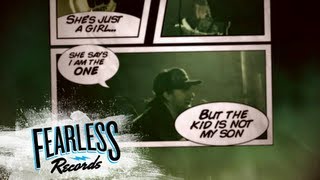
Watch the official Billie Jean
music video
How the Story Unfolds, Step by Step
The song works because it tells a clear sequence of events:
- A striking woman approaches and creates instant fascination.
- The narrator remembers warnings about careless romance.
- The woman claims a deeper connection than the narrator accepts.
- A child enters the story, raising the stakes.
- The chorus becomes a repeated act of denial.
That structure is simple, but the emotional effect is complex. The warning from family and society arrives before the full crisis, which gives the song a sense of fate. The line about thinking twice, echoed in the song as think twice
, suggests that one impulsive moment can create lasting consequences.
The Pressure of Public Attention
One reason the song still hits is that the conflict is never fully private. From the start, heads turn and people notice. The woman caused a scene
, and that phrase matters because it frames the whole story as performance as much as romance.
Interpretation: This can be heard as a song about reputation as much as desire. The narrator fears not only what happened, but also what others will believe happened.
What the Chorus Really Means
The chorus is famous because it is direct, but its meaning gets stronger when heard in context. By itself, the denial could sound cold. After the verses, though, it feels panicked and defensive.
The repeated insistence that Billie Jean is not the narrator’s partner and that the child is not theirs turns the hook into a battle over truth. Earlier lyrics suggest confusion, temptation, and mixed signals. The chorus tries to cut through all of that with one blunt claim.
Billie Jean is not my lover
the kid is not my son
Those short lines carry the song’s whole conflict: intimacy is being claimed, and responsibility is being rejected.
Sound, Style, and Why Breathe Carolina Fit It
Breathe Carolina were a strong match for this song because they have long worked in the space between pop melody and high-intensity electronic production. According to their career history, they started by making tracks on GarageBand and later became known for mixing electropop hooks with heavier textures and dance-floor energy. Their cover for Punk Goes Pop 5 fits that identity.
In Michael Jackson’s original, the groove is sleek and controlled. In Breathe Carolina’s version, the emphasis shifts toward impact. The beat feels bigger, the edges feel brighter, and the emotional stress rises faster. That change does not rewrite the story, but it changes how the story feels.
Interpretation: Their production makes the song less like a cool late-night confession and more like a crisis unfolding in real time. The electronic charge mirrors the narrator’s racing thoughts.
Themes Beneath the Plot
Several themes give the song its staying power:
- Temptation: attraction appears before caution can do its job.
- Reputation: private actions become public risk.
- Truth versus claims: the narrator insists on one version of events while another person insists on a different one.
- Consequences: a brief encounter can leave a permanent shadow.
The detail about a photograph and the child’s resemblance intensifies the fear. Even if the narrator denies the claim, the song shows how evidence, emotion, and rumor can blur together.
A Broader Reading of the Song
There is also a wider way to read the meaning of Billie Jean Breathe Carolina. Beyond the literal plot, the song can be heard as a warning about image. The woman is introduced through spectacle, the room reacts like an audience, and the narrator becomes trapped inside a story shaped by appearances.
That idea suits Breathe Carolina especially well. As a group that moved through MySpace-era pop culture, Warped Tour energy, and later EDM crossover success, they understand songs where performance, attention, and identity all collide.
Final Take
Breathe Carolina’s cover keeps the original story intact: desire leads to danger, and denial becomes the only shield the narrator has left. What changes is the emotional temperature. Their version amplifies the panic, the public pressure, and the unstable feeling that one moment can spin out forever.
That is why the song still works. It is not just about whether the claim is true. It is about what happens when attraction, image, and fear meet under a spotlight.
Disclaimer: This article offers an interpretation of the song based on its lyrics, performance style, and known artist context. Meaning can vary from listener to listener.







