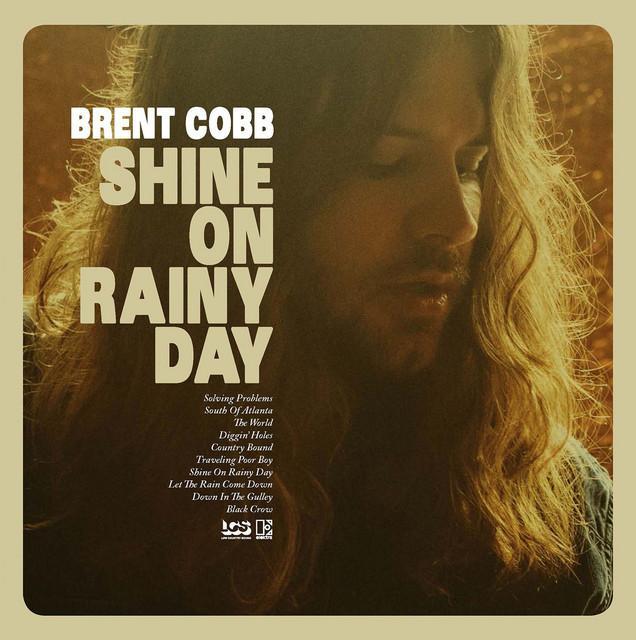
Diggin' Holes by Brent Cobb
A country song about self-sabotage
The meaning of Diggin' Holes Brent Cobb centers on a man who believes he is built for hard labor, loneliness, and damage rather than love. The song uses images of coal mines, oil fields, railroads, and graveyards to describe a person who keeps making life worse for himself and for someone who cares about him.
"Diggin' Holes" - Brent Cobb
Neck deep in black lung soot
Swinging a pick at that mountain side
Loading lyrics...
Unable to load lyrics
We're unable to display the lyrics at this time. Please try again later.
At its heart, this is not really a work song. It is a guilt song. The narrator lists rough jobs he "ought to be" doing because he feels more suited to struggle than to tenderness. Each verse turns a blue-collar setting into a symbol for emotional failure.
Interpretation: They are not bragging about toughness. They are confessing that they keep ruining what could have been good.

Watch the official Diggin' Holes
music video
The job images are really emotional metaphors
Brent Cobb builds the song around occupations that involve depth, weight, and distance. In the first verse, the coal mine image suggests a life buried under darkness. When the narrator says working in a coal mine
, the point is less about employment and more about feeling at home in a place without light.
The refrain makes that idea plain. good at digging holes
turns literal digging into a metaphor for self-destruction. They are saying they know how to make problems deeper, not how to fix them.
The next verse shifts to oil drilling and "black gold," another image of going down into the earth for value. But here the narrator imagines profiting from pain, even "selling" his misfortune. That is a harsh joke at his own expense. He thinks he is so practiced at failure that he could turn it into a business.
Love is the real wound
The chorus points back to one relationship
Even though the song moves through several workplaces, one emotional thread holds it together: a relationship strained by the narrator's behavior. The repeated idea that she's better off alone
or better off without him shows how low his self-worth has fallen.
This is why the song hits harder than a clever string of metaphors. The narrator does not just think he is broken. He thinks the kindest thing he can do is disappear.
That reaches a peak in the bridge-like confession about love. He admits he has no map for it and cannot understand what his heart is supposed to do. Instead of defending himself, he names the pain he caused.
I never meant to hurt youI'm better off a ghost
Those lines summarize the song's emotional logic. He believes his intentions may not be cruel, but his impact still is. So he imagines vanishing as an act of mercy.
Why the railroad and graveyard matter
The railroad verse introduces motion. If the coal mine and oil rig show emotional depth, the railroad shows escape. When the narrator says leaving town
, he connects physical departure with emotional avoidance. Running is one more way of digging the hole deeper.
Then the graveyard closes the song with the darkest image of all. Burying the heart suggests a wish to end feeling itself. That does not have to be read literally. More likely, it shows emotional exhaustion and shame. They would rather go numb than risk hurting someone again.
Interpretation: The graveyard image is the end point of the song's pattern. First he works in darkness, then drills downward, then leaves, and finally wants to bury the part of him that keeps failing.
Brent Cobb's style sharpens the meaning
Cobb is known for writing songs that sound plainspoken but carry strong detail, a hallmark of modern country with roots in older Southern storytelling. His catalog, including Providence Canyon, often blends humor, sadness, and working-class imagery. That context matters here because "Diggin' Holes" feels lived-in rather than decorative.
The writing credit goes to Brent Cobb and Casey Wood. Their lyric approach is economical: each verse gives one setting, one emotional angle, and one cutting self-judgment. Nothing feels overexplained.
Musically, the song works because the arrangement does not overpower the words. Cobb's style usually leans on warm guitar, steady rhythm, and an unforced vocal that sounds conversational. That kind of production supports the lyric's honesty. A smoother or flashier performance might make the song seem melodramatic, but this approach keeps it grounded.
How listeners tend to hear it
For many listeners, the song lands as a portrait of self-sabotage wrapped in traditional country language. It speaks to anyone who has felt trapped in old habits or convinced themselves they are bad for the people they love.
There is also a wider country music tradition behind it. Songs about mines, railroads, and graveyards often stand for class, hardship, and mortality. Cobb taps that tradition but turns it inward. Instead of blaming the world, the narrator blames himself.
That inward focus is what gives the meaning of Diggin' Holes Brent Cobb its staying power. The images are big, but the feeling is painfully personal.
The clearest takeaway
The song is about a man who thinks he is better at destruction than devotion. Every work image mirrors an emotional truth: he goes too deep, carries too much shame, runs when things get hard, and wants to bury the evidence of his hurt.
Interpretation: The most moving part is that he still cares. His guilt proves he is not heartless. He simply does not believe he knows how to love without damage.
That tension makes "Diggin' Holes" sad, sharp, and memorable. It is a country song about labor on the surface, but underneath, it is about the terrible skill of making one's own loneliness worse.
Disclaimer: This interpretation is based on the lyrics, performance, and available artist context. As with any song, listeners may hear different meanings.








